
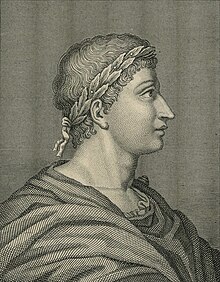
Publio Ovidio Nasone, commonly known as Ovid, was born on March 20, 43 BCE, in Sulmona, Italy. He is one of the most celebrated poets of ancient Rome, renowned for his influential works that have left a lasting legacy in the world of literature. Ovid’s life and career are a fascinating blend of artistic brilliance, personal tribulations, and cultural impact. This article explores Ovid’s life, examining his rise to fame, literary achievements, and the circumstances that led to his exile—a period that deeply influenced his later works.
Early Life and Education
Ovid was born into a prominent equestrian family in Sulmona, a small town in central Italy. His family’s social status afforded him a high-quality education, and at the age of twelve, Ovid moved to Rome to study rhetoric and oratory at some of the best schools in the city. His teachers included notable figures such as Marcus Porcius Latro and Arellius Fuscus, who were instrumental in shaping his intellectual development.
Ovid’s father had envisioned a career in law and oratory for his son, hoping that he would follow the traditional path of a Roman statesman. However, Ovid’s inclinations leaned more toward the arts, particularly poetry. Despite his father’s wishes, Ovid abandoned his legal studies to pursue his passion for literature. This decision would prove to be pivotal, as it set the stage for his future as one of Rome’s most famous poets.
The Early Poetic Career: Love Elegy and the “Amores”
Ovid’s early works reflect his fascination with love and romance, themes that would dominate much of his poetry. His first major work, the Amores, was a collection of love elegies written in elegiac couplets, a popular poetic form in Rome. Composed in three books, the Amores narrates the poet’s passionate and often tumultuous love affair with a woman named Corinna. The work was well-received and established Ovid as a leading voice in the tradition of Roman love elegy, following in the footsteps of predecessors like Propertius and Tibullus.
The Amores was notable for its playful and witty tone, as well as its exploration of the complexities of love. Ovid’s portrayal of Corinna as both an object of desire and a source of heartache resonated with readers, who were drawn to the poet’s candid reflections on the emotional ups and downs of romantic relationships. The success of the Amores marked the beginning of Ovid’s rise to literary fame, paving the way for his future works.
Expanding the Literary Horizon: Ars Amatoria and Heroides
Following the success of the Amores, Ovid continued to explore the theme of love in his next major work, the Ars Amatoria (The Art of Love). Written in three books, the Ars Amatoria is a didactic poem that offers advice on the art of seduction and romantic conquest. The first two books are addressed to men, providing guidance on how to win the affections of women, while the third book offers similar advice to women on how to attract and retain a lover.
The Ars Amatoria was both a practical guide and a satirical commentary on the social mores of the time. Ovid’s portrayal of love as a game to be mastered with skill and strategy was both humorous and insightful, reflecting his keen understanding of human nature. However, the poem’s emphasis on the art of seduction and its seemingly amoral stance on love sparked controversy, particularly in the context of the Augustan moral reforms that sought to promote traditional family values.
Around the same time, Ovid also composed the Heroides, a collection of 21 fictional letters written by famous heroines of mythology to their absent lovers or husbands. The Heroides was innovative in its use of the epistolary form, giving a voice to women from mythological stories who were often portrayed as passive or secondary characters. Through these letters, Ovid explored themes of longing, betrayal, and the complexities of love from a female perspective, adding depth and nuance to his portrayal of romantic relationships.
The Peak of Fame: Metamorphoses and Fasti
Ovid’s most famous work, the Metamorphoses, represents the pinnacle of his literary career. Composed between 2 CE and 8 CE, the Metamorphoses is an epic poem consisting of 15 books that chronicle a vast array of mythological stories centered around the theme of transformation. From the creation of the world to the deification of Julius Caesar, the Metamorphoses weaves together over 250 myths, each depicting a change in form—whether it be a person turned into an animal, a plant, or a constellation.
The Metamorphoses is remarkable not only for its scope and ambition but also for its poetic brilliance. Ovid’s mastery of narrative structure, vivid imagery, and rhetorical skill is evident throughout the work, which has been praised for its imaginative retelling of ancient myths. The Metamorphoses has had a profound influence on Western literature and art, inspiring countless writers, artists, and thinkers from the Middle Ages to the present day.
In addition to the Metamorphoses, Ovid also composed the Fasti, a poetic calendar that details the festivals and religious observances of the Roman year. Written in elegiac couplets, the Fasti provides insights into Roman religion and culture, offering a glimpse into the rituals and traditions that shaped the daily lives of the Roman people. The work is notable for its blend of mythological storytelling and historical commentary, reflecting Ovid’s deep engagement with the cultural heritage of Rome.
The Downfall: Exile and the Impact on Ovid’s Later Works
Despite his literary success, Ovid’s life took a dramatic turn in 8 CE when he was suddenly exiled by Emperor Augustus to Tomis, a remote town on the Black Sea coast (modern-day Constanța, Romania). The reasons for Ovid’s exile remain unclear, though he famously attributed it to a carmen et error (a poem and a mistake). Scholars have speculated that the carmen refers to the Ars Amatoria, which may have been seen as subversive in light of Augustus’ efforts to promote moral reform. The error, on the other hand, might have involved some undisclosed political or personal indiscretion.
Exile was a severe punishment in ancient Rome, and Ovid’s banishment to Tomis was a devastating blow to the poet. Far from the cultural and intellectual life of Rome, Ovid struggled with the harsh conditions and isolation of his new environment. The experience of exile deeply influenced his later works, which reflect a tone of sorrow, regret, and longing for the life he had lost.
During his years in exile, Ovid composed several works, including the Tristia (Sorrows) and the Epistulae ex Ponto (Letters from the Black Sea). These poems, written in the form of elegies, express the poet’s grief over his banishment and his desperate appeals for clemency. The Tristia is particularly poignant in its depiction of Ovid’s emotional turmoil, as he grapples with the reality of his exile and the uncertainty of his future.
Ovid also completed the Fasti during his exile, though the work remains unfinished, covering only the first six months of the Roman calendar. The Fasti reflects Ovid’s enduring interest in Roman culture and religion, even as he faced the challenges of life in exile.
Legacy and Influence
Ovid’s death in exile, likely between 17 and 18 CE, marked the end of a prolific and influential literary career. Despite the circumstances of his final years, Ovid’s works have endured as some of the most important contributions to Western literature. His ability to capture the complexities of love, the power of myth, and the nuances of human emotion has resonated with readers for centuries, securing his place as one of the great poets of antiquity.
The Metamorphoses, in particular, has had a lasting impact on literature, art, and culture. Its themes of transformation and change have inspired countless adaptations, from medieval manuscripts to Renaissance paintings, and from classical music to modern film. The work’s influence can be seen in the writings of Dante, Chaucer, Shakespeare, and many others who have drawn upon Ovid’s mythological narratives to explore their own ideas and themes.
Ovid’s exploration of love and desire in the Amores and Ars Amatoria has also left a significant mark on the literary tradition of romance. His portrayal of love as both a source of joy and suffering, as well as his witty and often ironic tone, has influenced the development of romantic poetry and prose throughout the ages.
Conclusion: The Enduring Power of Ovid’s Poetry
Publio Ovidio Nasone’s life and works offer a profound insight into the cultural and intellectual world of ancient Rome. From his early love elegies to the epic grandeur of the Metamorphoses, Ovid’s poetry reflects the richness of Roman mythology, the complexities of human relationships, and the enduring power of storytelling. His ability to weave together humor, pathos, and philosophical reflection has ensured that his works continue to be read and appreciated by audiences around the world.
Despite the personal hardships he faced, including his exile, Ovid’s legacy as a poet remains unblemished. His contributions to literature have transcended the boundaries of time and place, influencing generations of writers and artists and shaping the cultural heritage of the Western world. As we continue to explore the depths of his poetry, Ovid’s voice echoes through the ages, reminding us of the timeless beauty and power of the written word.


