
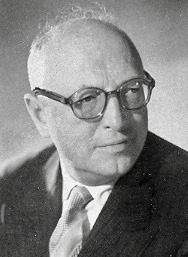
Pietro Nenni stands as one of the most influential figures in the history of modern Italian politics. A dedicated socialist and anti-fascist, Nenni’s life was a testament to his commitment to social justice, political unity, and the fight against oppression. Born on February 9, 1891, in Faenza, Italy, Nenni’s journey from humble beginnings to becoming a central figure in Italian politics is a story of resilience, courage, and unwavering dedication to his ideals. This article explores the life, fame, and key highlights of Pietro Nenni, offering detailed insights into his political career, the challenges he faced, and the lasting legacy he left behind.
Early Life and Political Awakening
Pietro Nenni was born into a poor family in Faenza, a small town in northern Italy. Orphaned at a young age, he was raised by his mother, who worked tirelessly in menial jobs to ensure that her son could receive an education. These early experiences of poverty and hardship had a profound impact on Nenni, shaping his views on social inequality and inspiring him to dedicate his life to advocating for the rights of the working class.
As a young man, Nenni became deeply involved in the republican and socialist movements that were gaining momentum in Italy during the early 20th century. In 1908, at the age of 17, he joined the Italian Republican Party, marking the beginning of his long and storied political career. Nenni was strongly opposed to the Italian invasion of Libya in 1911, viewing it as an imperialist endeavor that betrayed the principles of republicanism and socialism. His anti-war stance would remain a consistent theme throughout his life.
Nenni’s first significant political involvement came during the “Red Week” (Settimana Rossa) of 1914, a period of widespread social unrest and strikes in Italy. The protests, which were marked by violent clashes between workers and the military, were a response to the government’s repressive policies. Nenni was actively involved in organizing and leading these demonstrations, which led to his imprisonment alongside a fellow activist, Benito Mussolini, who at the time was also a member of the socialist movement. While Mussolini would later break away from socialism to become the architect of Italian fascism, Nenni remained steadfast in his commitment to socialist ideals.
The Rise of Fascism and Exile
The rise of fascism in Italy during the 1920s posed a significant threat to the socialist movement and to Nenni personally. Mussolini’s March on Rome in 1922, which led to the establishment of a fascist dictatorship, marked a turning point in Italian history. Nenni, who had previously worked closely with Mussolini, recognized the reactionary nature of the fascist regime and became one of its most vocal opponents.
In 1925, Nenni, along with Carlo Rosselli, founded the journal Quarto Stato (Fourth Estate), which became an important platform for anti-fascist intellectuals and activists. The publication was a bold attempt to rally opposition to Mussolini’s regime and to advocate for a return to democratic principles. However, the increasing repression by the fascist state forced Nenni into exile in Paris, where he continued his work as a leader of the Italian socialist and anti-fascist movements.
During his time in Paris, Nenni became one of the key figures in the international socialist movement. He forged alliances with other exiled Italian politicians and intellectuals, including members of the Italian Communist Party, and worked tirelessly to build a united front against fascism. His commitment to the cause of socialism and anti-fascism was further demonstrated during the Spanish Civil War (1936-1939), where he served as a political commissar in the International Brigades, fighting alongside Republicans against Franco’s fascist forces. This experience deepened his resolve to combat fascism and laid the groundwork for future cooperation between socialists and communists in Italy.
World War II and the Italian Resistance
With the outbreak of World War II, Italy found itself embroiled in a conflict that would eventually lead to the downfall of Mussolini’s regime. In 1943, following Mussolini’s removal from power and the subsequent German occupation of Italy, Nenni returned to his homeland to play a crucial role in the Italian Resistance. Alongside prominent figures like Sandro Pertini, Giuseppe Saragat, and Lelio Basso, Nenni helped to reorganize the Italian Socialist Party (PSI) under the name Partito Socialista Italiano di Unità Proletaria (PSIUP), emphasizing the need for unity among the various anti-fascist forces in the country.
Nenni’s leadership during the Resistance was marked by his unwavering commitment to the principles of socialism and his belief in the necessity of a broad coalition to defeat fascism. He advocated for collaboration with the Italian Communist Party, led by Palmiro Togliatti, despite ideological differences. This alliance between socialists and communists became a cornerstone of the anti-fascist struggle in Italy and played a significant role in the eventual liberation of the country from Nazi and fascist control.
Post-War Politics and the Quest for Unity
After the war, Italy faced the daunting task of rebuilding its political and social institutions. Nenni emerged as a leading figure in this process, advocating for the establishment of a democratic republic and the protection of workers’ rights. He was a key player in the 1946 referendum that resulted in the abolition of the monarchy and the birth of the Italian Republic. As a prominent leader of the PSI, Nenni continued to push for social and economic reforms that would benefit the working class.
One of the most significant challenges Nenni faced in the post-war period was the division within the socialist movement. The split between the PSI and the Italian Democratic Socialist Party (PSDI), led by Giuseppe Saragat, was a source of great frustration for Nenni, who believed that a united socialist front was essential for achieving meaningful change in Italy. Despite these divisions, Nenni remained committed to the idea of political unity and worked tirelessly to bring the two factions together.
In the 1950s, Nenni’s stance on the Cold War and his perceived closeness to the Soviet Union led to tensions within the Italian left. However, the Soviet invasion of Hungary in 1956 was a turning point for Nenni. He condemned the invasion, distancing himself from the Soviet model of socialism and advocating for an independent, democratic path for the Italian left. This shift in position paved the way for a rapprochement with Saragat and the temporary reunification of the PSI and PSDI.
Collaboration with the Christian Democrats and the Center-Left Governments
Nenni’s commitment to political pragmatism and his desire to influence government policy led him to support the idea of a center-left coalition, which included the Christian Democrats (DC), led by figures such as Amintore Fanfani and Aldo Moro. This collaboration, which began in the early 1960s, was aimed at enacting social and economic reforms that would address the needs of the working class while maintaining Italy’s commitment to democracy and the rule of law.
Nenni served as Deputy Prime Minister in several center-left governments, and in 1968, he became Italy’s Foreign Minister. During his tenure, he worked to strengthen Italy’s position in the international community, promote European integration, and maintain a balanced foreign policy that avoided alignment with either of the superpowers in the Cold War. Despite criticism from some quarters of the left, Nenni’s participation in these governments reflected his belief that the socialist movement could achieve its goals through democratic means and cooperation with other political forces.
However, the unity Nenni sought was not to last. In 1964, the PSI split once again, with a faction breaking away to form the PSIUP. Nevertheless, Nenni continued to advocate for collaboration with the Christian Democrats and other center-left parties, believing that this was the best way to achieve meaningful social progress in Italy.
Later Years and Legacy
Pietro Nenni’s later years were marked by his continued involvement in politics and his efforts to shape the future of the Italian left. In 1966, he played a key role in the reunification of the PSI and PSDI, although this union would prove to be short-lived. By the 1970s, the Italian Socialist Party had come under the leadership of Bettino Craxi, who would lead the party in a more centrist direction.
Despite stepping back from active leadership, Nenni remained a respected elder statesman within the Italian left. His support for the pro-divorce campaign in the 1974 referendum, which was opposed by the Christian Democrats and the Italian Social Movement (MSI), was one of his last significant political acts. The victory of the pro-divorce forces in the referendum was seen as a triumph for personal freedoms and a rejection of conservative social policies.
Pietro Nenni passed away on January 1, 1980, leaving behind a legacy of dedication to the principles of socialism, democracy, and political unity. His life was a testament to the power of conviction and the importance of standing up for one’s beliefs, even in the face of overwhelming adversity.
Nenni’s impact on Italian politics is still felt today. He was a key architect of the post-war Italian Republic and a tireless advocate for the rights of workers and the marginalized. His efforts to unite the Italian left and his willingness to collaborate with other political forces laid the groundwork for the social and economic reforms that transformed Italy in the decades following World War II.
Conclusion
Pietro Nenni’s life and career encapsulate the struggles and triumphs of the Italian left in the 20th century. From his early involvement in the republican movement to his leadership during the Resistance and his role in post-war Italian politics, Nenni remained steadfast in his commitment to social justice and political unity. His legacy is one of perseverance, courage, and an unwavering belief in the power of collective action to bring about meaningful change.
Nenni’s story is not just a chronicle of one man’s life; it is a reflection of the broader struggles for democracy, equality, and social justice that have shaped modern Italy. His contributions to the Italian socialist movement and his efforts to build a more just and equitable society continue to inspire future generations of political leaders and activists.


