
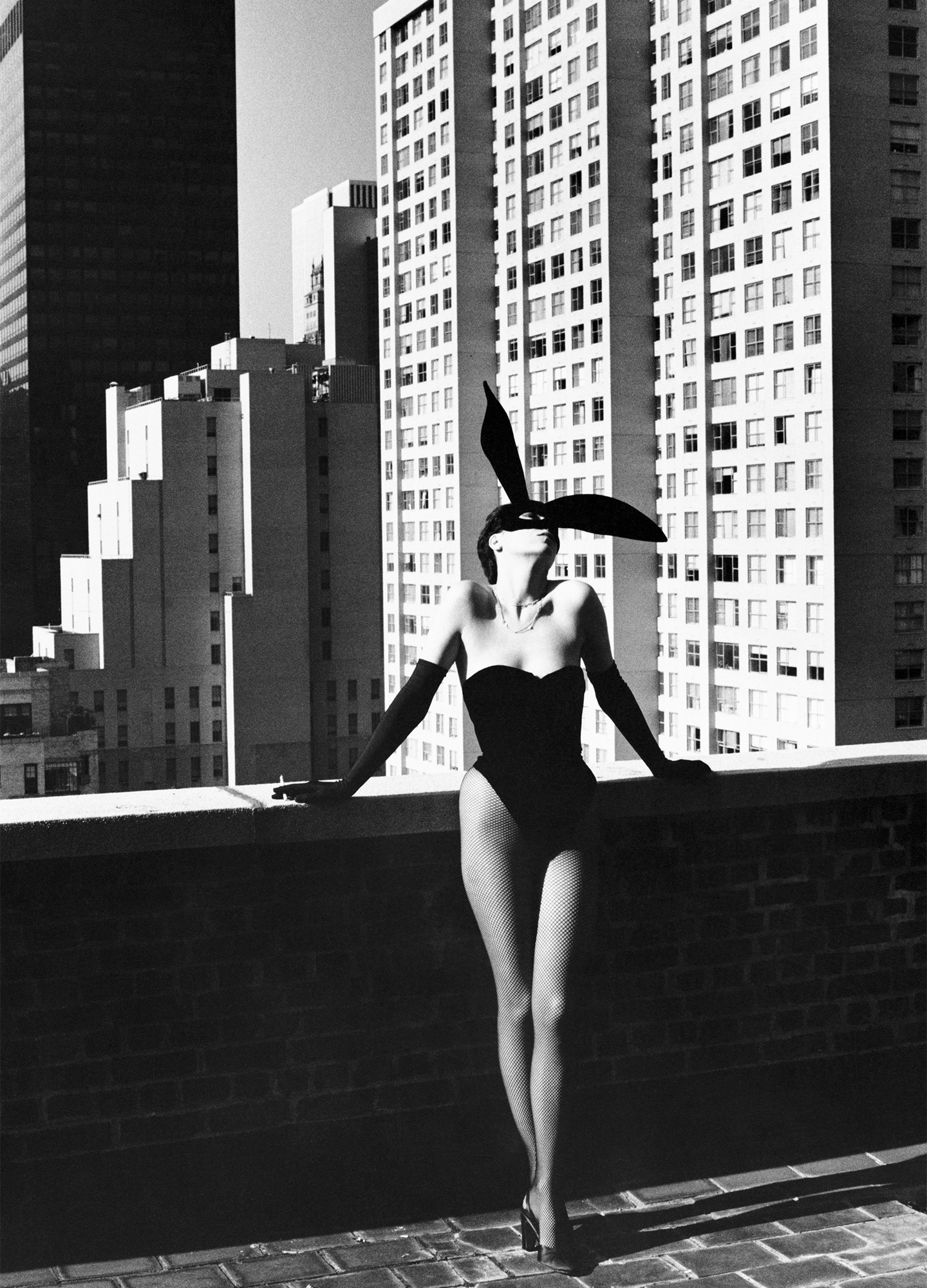
Helmut Newton, a name synonymous with provocative and groundbreaking photography, remains an iconic figure in the world of visual arts. Born Helmut Neustädter on October 31, 1920, in Berlin, Germany, Newton’s life and career were marked by a series of significant events that shaped his unique perspective and approach to photography. This article delves into the life, fame, and key highlights of Helmut Newton’s journey, exploring his contributions to photography, the controversies surrounding his work, and his lasting legacy.
Early Life and Beginnings
Helmut Newton was born into a wealthy Jewish family in Berlin. His early years were marked by a delicate health condition, which resulted in frequent fainting spells. Despite these challenges, Newton’s childhood experiences played a pivotal role in shaping his artistic vision. At the tender age of eight, Newton’s older brother introduced him to Berlin’s red-light district, a place teeming with prostitutes and illicit activities. This early exposure to the underbelly of society left a lasting impression on young Helmut, igniting a fascination with the erotic and the taboo, themes that would later define his work.
Newton’s dual life as a child, oscillating between the allure of Berlin’s seedier districts and the grandeur of luxurious spa hotels where his family vacationed, cultivated a complex worldview. By the age of 12, he had saved enough money to purchase his first camera, marking the beginning of his lifelong passion for photography. His obsession with capturing images soon began to interfere with his studies at the American School in Berlin, ultimately leading to his expulsion in 1936.
At 16, Newton embarked on a formal apprenticeship with Iva, a fashion photographer, solidifying his path in the world of photography. However, the rise of anti-Semitic laws in Nazi Germany posed a grave threat to his safety. His parents, fearing for his life, sent him on a ship bound for China. Yet, Newton’s journey took an unexpected turn when he disembarked in Singapore. There, he briefly worked for the Straits Times newspaper, gaining invaluable experience that would influence his future career.
Journey to Fame
In Singapore, Newton’s career began to take shape as he started to understand his unique artistic voice. However, it was in Australia, where he arrived in 1940 after traveling with a wealthy Belgian woman, that his career truly began to flourish. Initially interned as a German national during World War II, Newton was later released and served in the Australian army for five years. In 1946, he became an Australian citizen and married actress June Brunell, who would become a lifelong collaborator and muse, known professionally as Alice Springs.
After the war, Newton opened a small photography studio in Melbourne, where he began to make a name for himself. However, it wasn’t until his move to Paris in 1961 that his career skyrocketed. Paris, the epicenter of fashion and art, offered Newton the perfect backdrop for his work. He quickly began working with French Vogue, and his distinctive style, characterized by bold, erotic, and often controversial images, started to gain widespread recognition.
Defining the Newton Style
Newton’s work is often described as a blend of high fashion and eroticism, with a particular focus on the female form. His photographs are instantly recognizable for their stark contrast, dramatic lighting, and the use of powerful, often androgynous, women as subjects. Newton’s images challenged traditional notions of femininity, presenting women as dominant, assertive figures, a portrayal that was both celebrated and criticized.
One of Newton’s most significant contributions to photography was his ability to blur the lines between art and pornography. His work often featured nudity and sexually suggestive poses, leading to accusations of misogyny and exploitation. However, Newton himself viewed his work as a playful exploration of power dynamics, sexuality, and voyeurism. His photographs were not just about capturing beauty but about provoking thought and evoking emotion.
In 1976, Newton published his first book, White Women, a collection of photographs that encapsulated his distinctive style. The book was a commercial success and established Newton as one of the leading photographers of his time. Over the years, Newton continued to push the boundaries of photography, working with some of the most prestigious fashion magazines, including Vogue, Marie Claire, Elle, Playboy, Vanity Fair, and GQ. His work was also exhibited in major cities around the world, from New York and Paris to Tokyo and Moscow.
The Legacy of Helmut Newton
Newton’s impact on the world of photography cannot be overstated. He was a pioneer who redefined the portrayal of women in fashion photography, introducing a sense of drama, irony, and eroticism that was previously unseen. His work has inspired countless photographers and continues to be studied and admired to this day.
However, Newton’s legacy is not without controversy. His portrayal of women has been the subject of intense debate, with some critics accusing him of objectifying his subjects. Despite this, Newton maintained that his work was a celebration of female strength and sexuality. His photographs, while provocative, were always meticulously crafted, with a keen eye for detail and composition.
In 1996, Newton was honored with the title of Grand Commander of the Order of Arts and Letters by the French Minister of Culture, a testament to his influence and contribution to the arts. He continued to work prolifically until his death in 2004, leaving behind a vast body of work that continues to captivate and challenge viewers.
The Final Chapter
Helmut Newton’s life came to a tragic end on January 23, 2004, when he died in a car accident in Los Angeles at the age of 83. He was driving his Cadillac when he lost control and crashed into a wall. His death marked the end of an era in photography, but his work continues to live on, influencing new generations of photographers and artists.
In the years since his death, Newton’s work has been the subject of numerous retrospectives and exhibitions. His photographs are held in some of the most prestigious museums and galleries around the world, including the Museum of Modern Art in New York and the Victoria and Albert Museum in London. In 2003, just months before his death, Newton donated a significant collection of his photographs to the Preussischer Kulturbesitz Foundation in Berlin, where they are now permanently housed in the Museum of Photography.
Conclusion
Helmut Newton was more than just a photographer; he was a visionary who challenged the conventions of his time and left an indelible mark on the world of photography. His work, characterized by its boldness, creativity, and exploration of the human form, continues to be celebrated and studied. While his approach to photography may have been controversial, it is this very controversy that has ensured his place in the annals of art history.
Newton’s legacy is one of innovation and fearless creativity. He pushed the boundaries of what was considered acceptable in photography, daring to explore themes of power, sexuality, and identity in ways that few others had. Today, Helmut Newton is remembered not just as a photographer, but as an artist who forever changed the way we see the world through the lens of a camera.


