
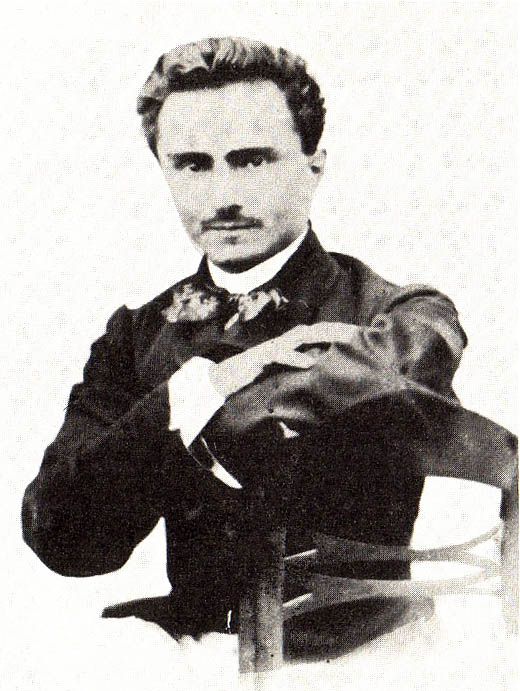
Ippolito Nievo is a name that resonates with the literary and historical fabric of Italy. Born on November 30, 1831, in Padua, Italy, Nievo’s life was a short but impactful journey, marked by his contributions to literature, his fervent patriotism, and his active involvement in Italy’s Risorgimento movement. Despite his untimely death at the age of 29, Nievo left behind a legacy that continues to be celebrated in Italian culture. This article delves into the life of Ippolito Nievo, exploring his age, the heights of his fame, and the significant highlights that define his contribution to Italian history and literature.
Early Life and Background
Ippolito Nievo was born into a noble family, with his father, Antonio Nievo, serving as a magistrate, and his mother, Adele Marin, descending from Venetian nobility. His family lineage included connections to the Friulian aristocracy through his maternal grandmother, the Countess Ippolita di Colloredo, after whom Nievo was named. These aristocratic roots influenced his upbringing, providing him with an environment steeped in cultural and intellectual pursuits.
Nievo spent much of his childhood in Udine after his family moved there in 1837. The picturesque landscapes of Friuli, including the Colloredo di Montalbano Castle where he spent his vacations, played a significant role in shaping his imagination and later literary works. The vivid memories of these places would permeate his writings, serving as the backdrop for many of his stories and novels.
Education and Literary Influences
Nievo’s education began in Verona, where he attended gymnasium. It was during these formative years that he was introduced to the works of major Romantic authors, such as George Byron, Ugo Foscolo, and Alessandro Manzoni. These writers, known for their exploration of individualism, national identity, and emotional depth, greatly influenced Nievo’s literary sensibilities.
As Nievo followed his father’s professional relocations, he experienced various cultural environments across the Lombardo-Venetian Kingdom, including Pisa and Crema. These travels exposed him to different facets of Italian society, which would later inform his keen observations and critiques in his literary works. During the revolutionary year of 1848, Nievo became involved in the insurrectionary movements in Mantua, influenced by the ideologies of Giuseppe Mazzini, an experience that would deepen his commitment to the cause of Italian unification.
Early Literary Works and Romantic Endeavors
Nievo’s first major literary engagement came with the writing of “Antiafrodisiaco per l’amor platonico” (An Antidote for Platonic Love) in 1851, a novel inspired by his unrequited love for Matilde Ferrari, whom he met during his stay in Cremona. This early work, while not as renowned as his later writings, showcased his burgeoning talent and his ability to intertwine personal experiences with broader social themes.
By 1850, Nievo had completed his secondary education and enrolled in the Faculty of Law at the University of Pavia, later continuing his studies in Padua. Despite his father’s wishes for him to pursue a stable career in law, Nievo’s passion for literature and journalism could not be quelled. He soon abandoned his legal studies to devote himself fully to writing, much to the dismay of his family.
During this period, Nievo began to contribute to provincial newspapers such as “La Lucciola” in Mantua and “L’Annotatore Friulano” in Udine. His articles and short stories often drew inspiration from rural life, defending the customs and traditions of the countryside against the growing bourgeois disdain for what was perceived as rustic and unsophisticated. Nievo’s advocacy for the rural population’s dignity and culture was a recurring theme in his writings, reflecting his deep connection to the Friulian lands.
Major Works and Literary Achievements
In 1858, Nievo published a collection of poems titled “Le Lucciole” (The Fireflies), which reflected his Romantic influences and his deep empathy for the Italian countryside. The same year marked a significant turning point in his life as he moved to Milan, the cultural and intellectual hub of Italy at the time. In Milan, Nievo became immersed in the vibrant literary scene, connecting with prominent writers and thinkers who were at the forefront of the Risorgimento movement.
However, it was his monumental work, “Le Confessioni di un Italiano” (The Confessions of an Italian), written between 1857 and 1858, that secured Nievo’s place in the pantheon of Italian literature. The novel, which was published posthumously in 1867, is a sprawling narrative that spans several decades, chronicling the life of Carlo Altoviti, a fictional character whose life mirrors the tumultuous history of Italy during the late 18th and early 19th centuries.
“Le Confessioni di un Italiano” is considered one of the most important Italian novels of the 19th century, providing a vivid and detailed portrayal of the social, political, and cultural landscape of Italy during the Risorgimento. The novel’s exploration of themes such as identity, patriotism, and social justice resonated deeply with contemporary readers and continues to be studied as a seminal work of historical fiction.
Involvement in the Italian Unification
While Nievo’s literary career was flourishing, he remained deeply committed to the cause of Italian unification. In 1859, he joined the Cacciatori delle Alpi, a volunteer corps led by Giuseppe Garibaldi, one of the most prominent figures in the fight for Italian independence. Nievo’s involvement in the military campaigns of the Risorgimento was a natural extension of his patriotic fervor, and he quickly rose through the ranks due to his dedication and leadership qualities.
Nievo participated in several key battles, including those at Varese and San Fermo, where Garibaldi’s forces achieved significant victories against Austrian troops. His military service further deepened his commitment to the cause of a unified Italy, and he was appointed as an “Intendente di Prima Classe,” a role that involved overseeing administrative and logistical matters for Garibaldi’s army.
In 1860, Nievo joined the famous Expedition of the Thousand, a campaign led by Garibaldi that aimed to conquer the Kingdom of the Two Sicilies and bring it into the fold of a united Italy. Nievo distinguished himself during the campaign, particularly in the battles of Calatafimi and Palermo, where his bravery and tactical acumen were widely recognized.
Tragic Demise and Legacy
Unfortunately, Ippolito Nievo’s life was cut tragically short. In March 1861, as he was returning from Palermo with important administrative documents, the ship he was aboard, the steamship Ercole, sank off the coast of Sorrento. Nievo, along with many others, perished in the disaster. His death occurred just a few months before the official proclamation of the Kingdom of Italy, a cause to which he had dedicated his life.
Nievo’s untimely death at the age of 29 marked the loss of one of Italy’s most promising literary talents and a passionate advocate for the country’s unification. However, his legacy lived on through his writings, particularly “Le Confessioni di un Italiano,” which remains a cornerstone of Italian literature.
Historical Context and Influence
Ippolito Nievo’s life and work are deeply intertwined with the historical context of 19th-century Italy. The Risorgimento, the period of Italian unification, was a time of great social and political upheaval, as various states and territories were brought together to form a unified nation. Nievo’s writings reflect the optimism, struggles, and complexities of this era, capturing the spirit of a generation that was determined to forge a new identity for Italy.
“Le Confessioni di un Italiano” is often regarded as one of the most significant literary contributions to the Risorgimento. Through the character of Carlo Altoviti, Nievo explores the personal and collective experiences of Italians during a time of great change. The novel’s detailed depiction of historical events, combined with its exploration of themes such as loyalty, betrayal, and national identity, has made it a key text for understanding the cultural and political climate of 19th-century Italy.
In addition to his literary contributions, Nievo’s involvement in the military campaigns of the Risorgimento underscores his commitment to the cause of Italian unification. His life serves as an example of how art and activism can intersect, with his writings providing a powerful commentary on the social and political issues of his time.
Conclusion
Ippolito Nievo was a man of many talents—a writer, poet, journalist, and patriot—whose life was tragically cut short, yet whose impact on Italian literature and history remains profound. His dedication to the cause of Italian unification, coupled with his literary genius, has ensured that his legacy continues to be celebrated more than a century after his death.
Nievo’s works, particularly “Le Confessioni di un Italiano,” offer valuable insights into the Italian psyche during a critical period of national transformation. His ability to capture the essence of his time, while also exploring universal themes of identity and belonging, has cemented his place as one of Italy’s most important literary figures.
As we reflect on the life and achievements of Ippolito Nievo, it is clear that his contributions to literature and the Italian unification movement have left an indelible mark on history. His story serves as a reminder of the power of words and ideas in shaping the course of a nation’s destiny.


