
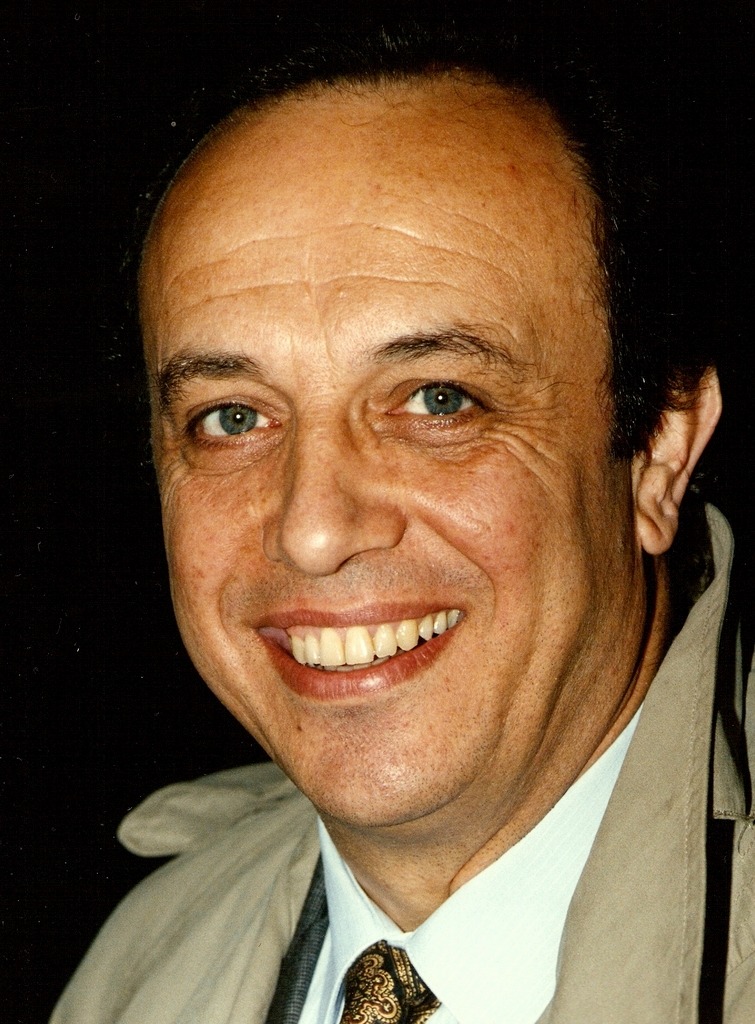
Leo Nucci, an illustrious name in the world of opera, stands as a towering figure in the realm of classical music. Born on April 16, 1942, in Castiglione dei Pepoli, a small town in the province of Bologna, Italy, Nucci has built a formidable career that has spanned over five decades. His journey from a modest upbringing to becoming one of the most revered baritones of our time is a testament to his talent, perseverance, and passion for the art of opera.
Early Life and Musical Beginnings
Leo Nucci’s early life was steeped in the rich cultural traditions of Italy, a country known for its deep connection to opera and classical music. His passion for music was evident from a young age, leading him to pursue formal training in Bologna under the guidance of renowned teachers Giuseppe Marchesi and Mario Bigazzi. These formative years were crucial in honing Nucci’s vocal skills and shaping his understanding of the operatic repertoire.
In pursuit of further refinement, Nucci moved to Milan, a city that has long been a hub for opera in Italy. There, he studied under Ottavio Bizzarri, who played a pivotal role in polishing Nucci’s technique and preparing him for the professional stage. These years of rigorous training laid the foundation for what would become an extraordinary career.
Breakthrough and Early Career
Nucci’s breakthrough came in 1967 when he won the prestigious competition at the Teatro Lirico Sperimentale of Spoleto, a significant milestone for any aspiring opera singer. His performance in Gioacchino Rossini’s “Il Barbiere di Siviglia,” where he took on the role of Figaro, marked his debut on the operatic stage. This role would become one of the defining parts of his career, showcasing his vocal prowess and his ability to convey both the humor and depth of the character.
Despite this early success, Nucci’s career faced an unexpected halt due to personal reasons, which forced him to step away from the stage temporarily. However, his passion for opera was undeterred. During this period, he became a member of the chorus at the Teatro alla Scala in Milan, one of the most prestigious opera houses in the world. This experience allowed him to stay connected to the world of opera and provided him with invaluable exposure to high-caliber performances and productions.
Rise to International Fame
Leo Nucci’s return to solo performance came in 1977 when he made his debut at the Teatro alla Scala as Figaro, stepping in for Angelo Romero. This marked the beginning of a meteoric rise in his career. The following year, he made his debut at London’s Royal Opera House with “Luisa Miller,” and in 1980, he took the stage at the Metropolitan Opera in New York, performing in “Un Ballo in Maschera” alongside the legendary Luciano Pavarotti.
Nucci’s international career flourished as he performed at major opera houses around the world, including the Opéra de Paris. His portrayal of roles in operas by Giuseppe Verdi became particularly celebrated, earning him a reputation as one of the finest interpreters of Verdi’s works. In 1987, his performance in “Macbeth” was featured in a film opera that was presented at the prestigious Cannes Film Festival, further solidifying his status as a leading baritone.
The 1990s and Continued Success
The 1990s marked a period of sustained success for Leo Nucci. He became a regular performer at the Arena di Verona, one of the most iconic venues for opera, where he took on roles in “Rigoletto” and “Nabucco,” two of Verdi’s masterpieces. Nucci’s deep connection to Verdi’s works was evident in his performances, where he brought a profound understanding of the composer’s intent and the emotional depth of the characters.
In 2001, the centennial of Giuseppe Verdi’s death, Nucci was at the forefront of global celebrations. He performed in productions of Verdi’s operas around the world, including “Attila” in Zurich, “Un Ballo in Maschera” in Vienna, and “Macbeth” in Paris. His participation in a commemorative concert in Parma, conducted by the esteemed Zubin Mehta, was a highlight of these celebrations, underscoring his position as a leading interpreter of Verdi.
Later Career and Legacy
As Nucci entered the later stages of his career, his performances continued to draw critical acclaim. In 2008, he took the stage at the Teatro alla Scala in Milan for performances of “Macbeth” and “Gianni Schicchi.” His enduring ability to captivate audiences, even as he approached his 70th year, was a testament to his exceptional talent and dedication to his craft.
In 2011, as Italy celebrated the 150th anniversary of its unification, Nucci delivered a powerful performance of “Nabucco” at the Teatro dell’Opera di Roma. The following year, he reprised this role at La Scala, demonstrating that age had not diminished his vocal power or his ability to inhabit complex characters.
Throughout his career, Nucci has not limited himself to Verdi’s repertoire. He has also excelled in operas by other composers, including Giacomo Puccini’s “Gianni Schicchi” and “Tosca,” where his portrayal of Scarpia was particularly lauded. His performances in operas by Cilea, Giordano, Donizetti, and Mozart have further showcased his versatility and broad range as an artist.
Contributions Beyond the Stage
Beyond his performances, Leo Nucci has made significant contributions to the world of opera through his involvement in various cultural and philanthropic initiatives. He has served as an ambassador for UNICEF, using his platform to raise awareness and support for children’s rights globally. Additionally, he holds the title of Kammersänger of the Vienna State Opera, an honor bestowed upon distinguished singers in recognition of their contributions to the art form.
Nucci’s influence extends beyond his own performances. He has been a mentor and inspiration to younger generations of opera singers, sharing his knowledge and experience with those who aspire to follow in his footsteps. His dedication to the preservation and promotion of opera as a living art form has cemented his legacy as one of the most important figures in the field.
The Nuances of Nucci’s Artistry
What sets Leo Nucci apart from many of his contemporaries is not just his technical skill, but his deep understanding of the characters he portrays. His interpretations are marked by a keen sense of drama and emotion, which he conveys through his powerful voice and nuanced performances. Whether playing the tragic Rigoletto, the vengeful Macbeth, or the scheming Iago in “Otello,” Nucci brings a unique depth to each role, making them his own.
Nucci’s approach to Verdi’s works, in particular, has been praised for its authenticity and emotional resonance. His ability to connect with Verdi’s music on a personal level has allowed him to deliver performances that are both technically superb and profoundly moving. This connection is evident in his long-standing association with roles like Rigoletto and Nabucco, where his portrayals have become benchmarks for other singers.
Historical Context and Impact
Leo Nucci’s career must be viewed within the broader context of opera’s evolution over the past few decades. As opera houses have adapted to changing cultural landscapes, the role of singers like Nucci has been crucial in maintaining the art form’s relevance and vitality. His performances have not only preserved the traditions of Italian opera but have also introduced these works to new audiences around the world.
In an era where the classical music world has faced challenges from changing tastes and the rise of digital media, Nucci has remained a steadfast advocate for live performance. His commitment to the integrity of the operatic tradition, combined with his willingness to engage with contemporary interpretations, has kept his work fresh and engaging for modern audiences.
Conclusion
Leo Nucci’s life and career are a testament to the enduring power of opera and the profound impact that one artist can have on the art form. From his humble beginnings in Castiglione dei Pepoli to the stages of the world’s most prestigious opera houses, Nucci’s journey is one of passion, perseverance, and unparalleled talent.
As we reflect on Nucci’s contributions to opera, we recognize not just the beauty of his voice, but the depth of his artistry and the influence he has had on generations of singers and audiences alike. His legacy is one of excellence and dedication, qualities that have made him a true icon in the world of classical music.
Leo Nucci continues to inspire with his performances, demonstrating that age is no barrier to artistic greatness. His story is a powerful reminder of the timeless appeal of opera and the lasting impact that a single artist can have on the world.


