
Introduction
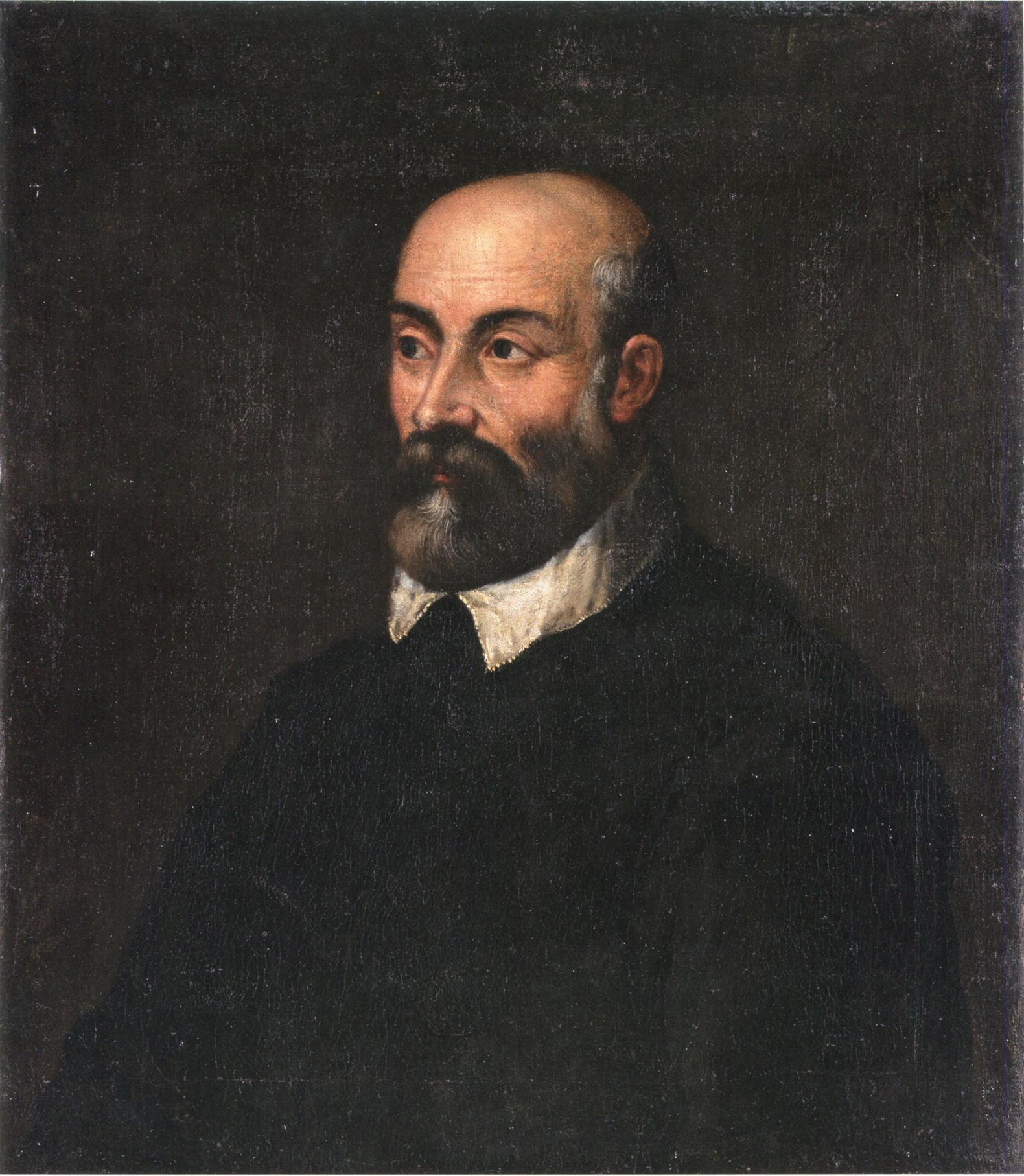
Andrea Palladio, born Andrea di Pietro della Gondola on November 30, 1508, in Padua, within the Republic of Venice, is one of the most influential architects in history. His work defined the architecture of the Renaissance and set the stage for the classical revival that followed in Europe and the Americas. This article explores the life, fame, and enduring legacy of Palladio, whose work continues to inspire architects and designers to this day.
Early Life and Training
Andrea Palladio was born into a humble family; his father, Pietro, was a miller, and his mother, Marta, a homemaker. From an early age, Palladio showed an aptitude for building and design, leading him to apprentice as a stonemason at the age of thirteen under Bartolomeo Cavazza in Padua. His time with Cavazza lasted eighteen months, after which his family relocated to Vicenza.
In Vicenza, Palladio joined the fraglia of the masons and stonecutters, honing his skills under the tutelage of Girolamo Pittoni, a sculptor, and Giovanni di Giacomo da Porlezza, a builder. These experiences laid the groundwork for his future architectural endeavors, providing him with a deep understanding of building techniques and materials.
Meeting Giangiorgio Trissino: The Turning Point
A pivotal moment in Palladio’s life occurred in 1535 when he met Giangiorgio Trissino, a humanist and poet of noble birth. Trissino recognized Palladio’s potential and took him under his wing, not only refining his education in the arts and classical literature but also introducing him to the principles of Vitruvian architecture. It was Trissino who bestowed upon him the name “Palladio,” a nod to the wisdom of Pallas Athena and a reference to the classical ideals that would come to define his work.
Trissino’s influence was profound, shaping Palladio’s approach to architecture and encouraging him to study the ancient Roman ruins, which played a crucial role in the development of his architectural style. This period also saw Palladio marrying Allegradonna, a woman of modest means, with whom he had five children: Leonida, Marcantonio, Orazio, Zenobia, and Silla.
Early Works and Rising Fame
Palladio’s early works in Vicenza demonstrated his growing expertise and his ability to synthesize classical forms with contemporary needs. His first significant commission came in 1537 with the construction of Villa Godi in Lonedo di Lugo, Vicenza. This project marked the beginning of his long association with the Veneto region, where he would design many of his most famous villas.
Following Villa Godi, Palladio worked on several other important projects, including Villa Piovene (1539) and Palazzo Civena (1540). These works were characterized by their balanced proportions, symmetry, and incorporation of classical elements, such as columns and pediments, which would become hallmarks of Palladian architecture.
In 1542, Palladio designed Palazzo Thiene in Vicenza for Marcantonio and Adriano Thiene. This project was a significant departure from his earlier works, showcasing a more mature and sophisticated style. The same year, he also began work on Villa Pisani in Bagnolo di Lonigo, another example of his ability to blend the grandeur of classical architecture with the functional needs of his clients.
Palladio’s work was not limited to residential architecture; he also contributed to the public and religious architecture of the time. His designs for the Loggias of the Palazzo della Ragione in Vicenza and Villa Contarini degli Scrigni in Piazzola sul Brenta exemplify his versatility and his commitment to elevating the architectural landscape of his era.
The Influence of Vitruvius and Travels to Rome
In 1554, Palladio embarked on a pivotal journey to Rome, accompanied by Marco Thiene and Giovanni Battista Maganza. The purpose of this trip was to prepare a critical edition of Vitruvius’s De architectura, a seminal text on classical architecture. Published in 1556, Palladio’s edition of Vitruvius’s work was a monumental achievement that solidified his reputation as a scholar and architect.
This period also marked Palladio’s deepening engagement with the architectural heritage of Rome. The ruins of ancient Roman buildings, with their emphasis on symmetry, proportion, and the use of the classical orders, profoundly influenced Palladio’s design philosophy. He meticulously studied and documented these ruins, integrating their principles into his own work.
The Venetian Period and Major Works
By the late 1550s, Palladio’s reputation had spread beyond the Veneto region, and he began to receive commissions from influential patrons in Venice. The Barbaro family, in particular, played a significant role in bringing Palladio to Venice, where he focused on religious architecture. His first major commission in the city was the church of San Giorgio Maggiore, a masterpiece that embodies the principles of Palladian architecture with its clear geometric forms, harmonious proportions, and restrained use of decoration.
In 1570, Palladio was appointed Proto of the Serenissima, the chief architect of the Venetian Republic, succeeding Jacopo Sansovino. This prestigious position allowed him to influence the architectural direction of Venice at the height of its power. The same year, he published his most famous work, I quattro libri dell’architettura (The Four Books of Architecture). This treatise, which outlined his architectural theories and showcased his designs, became one of the most influential architectural texts of all time. It codified the classical principles Palladio championed, including the use of the five orders, the importance of symmetry, and the integration of architecture with its natural surroundings.
The Four Books of Architecture also illustrated Palladio’s designs for public buildings, country villas, and urban palaces, providing a comprehensive overview of his work and philosophy. The treatise had a profound impact on the development of architecture in Europe and the Americas, particularly influencing the neoclassical movement and the architecture of the English Palladianism that emerged in the 18th century.
Among Palladio’s most significant works during this period were the Villa Rotonda (1550s) and the Teatro Olimpico (1579-1580). Villa Rotonda, located near Vicenza, is perhaps Palladio’s most iconic villa, known for its perfect symmetry and classical temple front. The design of the villa, with its centralized plan and domed roof, would inspire countless buildings around the world, including Thomas Jefferson’s Monticello.
The Teatro Olimpico in Vicenza, Palladio’s final masterpiece, is a testament to his ingenuity and his deep understanding of classical architecture. The theater, with its classical façade and innovative use of perspective in the stage design, represents a culmination of Palladio’s lifelong study of ancient Roman architecture. Although Palladio passed away before its completion, the Teatro Olimpico remains a symbol of his enduring legacy.
Death and Legacy
Andrea Palladio passed away on August 19, 1580, at the age of 72. The exact cause of his death remains unknown, and there is some uncertainty about the precise location of his passing, though it is believed to have occurred in Maser, where he was working on Villa Barbaro. Despite his significant contributions to architecture, Palladio’s later years were marked by financial difficulties, a common plight for artists and architects of his time.
Palladio’s funeral was a modest affair, reflecting the subdued nature of his final years. He was buried in the Church of Santa Corona in Vicenza, the city that had been the focal point of his architectural endeavors.
Despite the challenges he faced toward the end of his life, Palladio’s legacy continued to grow after his death. His architectural principles, as outlined in The Four Books of Architecture, became the foundation for the classical revival that swept through Europe and the Americas in the centuries that followed. His influence can be seen in the stately homes of Georgian England, the government buildings of Washington, D.C., and the neoclassical structures that define the skylines of countless cities worldwide.
Palladio’s work not only shaped the physical landscape of the Renaissance but also set the standard for what classical architecture could achieve. His emphasis on harmony, proportion, and the integration of architecture with its environment has made him one of the most revered architects in history.
Conclusion
Andrea Palladio’s life and work represent the pinnacle of Renaissance architecture. From his humble beginnings in Padua to his role as the chief architect of the Venetian Republic, Palladio’s journey was one of continuous learning, innovation, and dedication to the principles of classical architecture. His designs, documented in The Four Books of Architecture, have had a lasting impact on the built environment, influencing generations of architects and shaping the course of architectural history.
Palladio’s legacy is not just in the buildings he designed, but in the ideas he championed—ideas that continue to resonate in the world of architecture today. His work stands as a testament to the enduring power of classical design and the timeless appeal of architecture that is both functional and beautiful.


