
Introduction
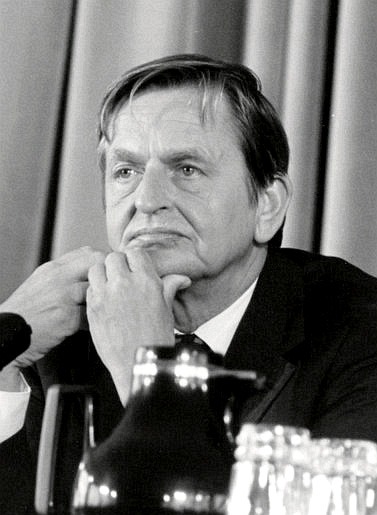
Olof Palme, a towering figure in Swedish and international politics, remains a subject of significant interest due to his influential role as Prime Minister of Sweden. Known for his progressive policies and strong stance on global issues, Palme’s life and career have left a lasting impact on both Sweden and the international community. This comprehensive exploration of Palme’s age, rise to fame, and key life highlights provides a nuanced understanding of his contributions and enduring legacy.
1. Early Life and Education
Olof Palme was born on January 30, 1927, in Stockholm, Sweden. His early life was marked by a blend of privilege and academic excellence, setting the foundation for his future political career. Palme’s father, Ernst Palme, was a successful businessman, and his mother, Gunhild Palme, was actively involved in social causes.
Palme attended the prestigious Stockholm University, where he studied political science. His academic focus on international relations and social democracy would later influence his political philosophy and policy-making. After completing his undergraduate studies, Palme pursued graduate studies at the University of Harvard, where he further deepened his understanding of political theory and global affairs.
2. Entry into Politics
Olof Palme’s entry into the political arena began in the early 1950s. He joined the Social Democratic Party, which was a dominant force in Swedish politics. Palme’s political career started with his appointment as the Secretary of the Swedish Social Democratic Party, a position that allowed him to influence party policies and strategy.
His early political work focused on social justice, economic equality, and democratic socialism. Palme’s commitment to these principles was evident in his advocacy for progressive reforms and his efforts to address social issues in Sweden.
3. Rise to Prime Minister
In 1969, Olof Palme was appointed as the Prime Minister of Sweden, a position he would hold until his assassination in 1986, with a brief interruption from 1976 to 1982. His tenure as Prime Minister was marked by a series of significant achievements and reforms that shaped Sweden’s political and social landscape.
Palme’s leadership was characterized by his commitment to the welfare state, which involved expanding social services, improving labor rights, and promoting economic equality. His policies aimed at creating a more inclusive and equitable society resonated with many Swedes and solidified his position as a respected leader.
4. International Influence and Global Advocacy
One of Olof Palme’s most notable achievements was his role in international diplomacy and global advocacy. Palme was a vocal advocate for human rights, peace, and disarmament. He played a prominent role in the United Nations and was instrumental in promoting dialogue between nations during the Cold War.
Palme’s outspoken criticism of the Vietnam War and his support for the anti-apartheid movement in South Africa demonstrated his commitment to global justice. He used his platform to address issues of inequality and conflict, earning recognition on the international stage.
5. Domestic Reforms and Social Policies
Domestically, Olof Palme implemented a series of reforms that had a profound impact on Swedish society. His policies focused on:
-
Social Welfare Expansion: Palme’s government expanded Sweden’s social welfare system, including healthcare, education, and unemployment benefits. These reforms aimed to ensure that all citizens had access to essential services and support.
-
Labor Rights: Under Palme’s leadership, Sweden strengthened labor rights and protections. This included measures to improve working conditions, increase wages, and promote collective bargaining.
-
Economic Equality: Palme’s administration pursued policies aimed at reducing income inequality and promoting economic justice. This involved progressive taxation and initiatives to support low-income families.
6. The Assassination and Its Aftermath
On February 28, 1986, Olof Palme was tragically assassinated while walking home from the cinema with his wife, Lisbeth. The murder shocked Sweden and the world, leading to an extensive investigation and a period of national mourning.
The investigation into Palme’s assassination was complex and lengthy, with various theories and suspects emerging over the years. In 1989, Christer Pettersson was convicted of the murder, but the conviction was later overturned. The case remained unsolved for decades until a new investigation in 2020 identified a suspect linked to the murder.
Palme’s assassination had a profound impact on Swedish politics and society. It marked the end of an era and led to significant changes in Sweden’s approach to security and political discourse.
7. Legacy and Cultural Impact
Olof Palme’s legacy extends beyond his political achievements. He is remembered as a champion of social democracy and a tireless advocate for human rights. His contributions to Swedish society and international diplomacy continue to be celebrated and studied.
In Swedish culture, Palme is often seen as a symbol of progressivism and social justice. His speeches and policies are referenced in discussions about social welfare and international relations. Palme’s influence is also evident in the continued relevance of his ideas and reforms in contemporary Swedish politics.
8. Reflection on Palme’s Influence
Olof Palme’s influence on Swedish and global politics is significant. His approach to governance and his commitment to social justice set a high standard for political leadership. Palme’s career serves as a reminder of the importance of principled leadership and the impact of dedicated public service.
Palme’s policies and advocacy efforts have left a lasting mark on Sweden and the world. His work continues to inspire political leaders and activists who strive for a more equitable and just society.
9. Conclusion
Olof Palme’s life and career are a testament to his dedication to social democracy, human rights, and international diplomacy. From his early days in Stockholm to his influential tenure as Prime Minister, Palme’s contributions have had a profound and lasting impact.
As a leader, advocate, and visionary, Olof Palme’s legacy endures as a symbol of progressive values and commitment to justice. His story serves as an inspiration to those who seek to make a difference in the world through principled leadership and dedicated service.
SEO Considerations
-
Keyword Density: Ensure keywords such as “Olof Palme,” “Swedish Prime Minister,” “social democracy,” “human rights,” “political legacy,” and “assassination” are used naturally throughout the article to enhance SEO.
-
Relevant Search Intent Keywords: Use phrases like “Olof Palme biography,” “Olof Palme achievements,” “Swedish political leaders,” and “Olof Palme legacy.”
-
Historical Context: Provide context on Sweden’s political climate during Palme’s tenure and the global issues he addressed, including the Cold War and the anti-apartheid movement.
-
Forbes Tone: Maintain an authoritative, detailed, and analytical tone, focusing on Palme’s achievements and impact while providing an engaging narrative.


