
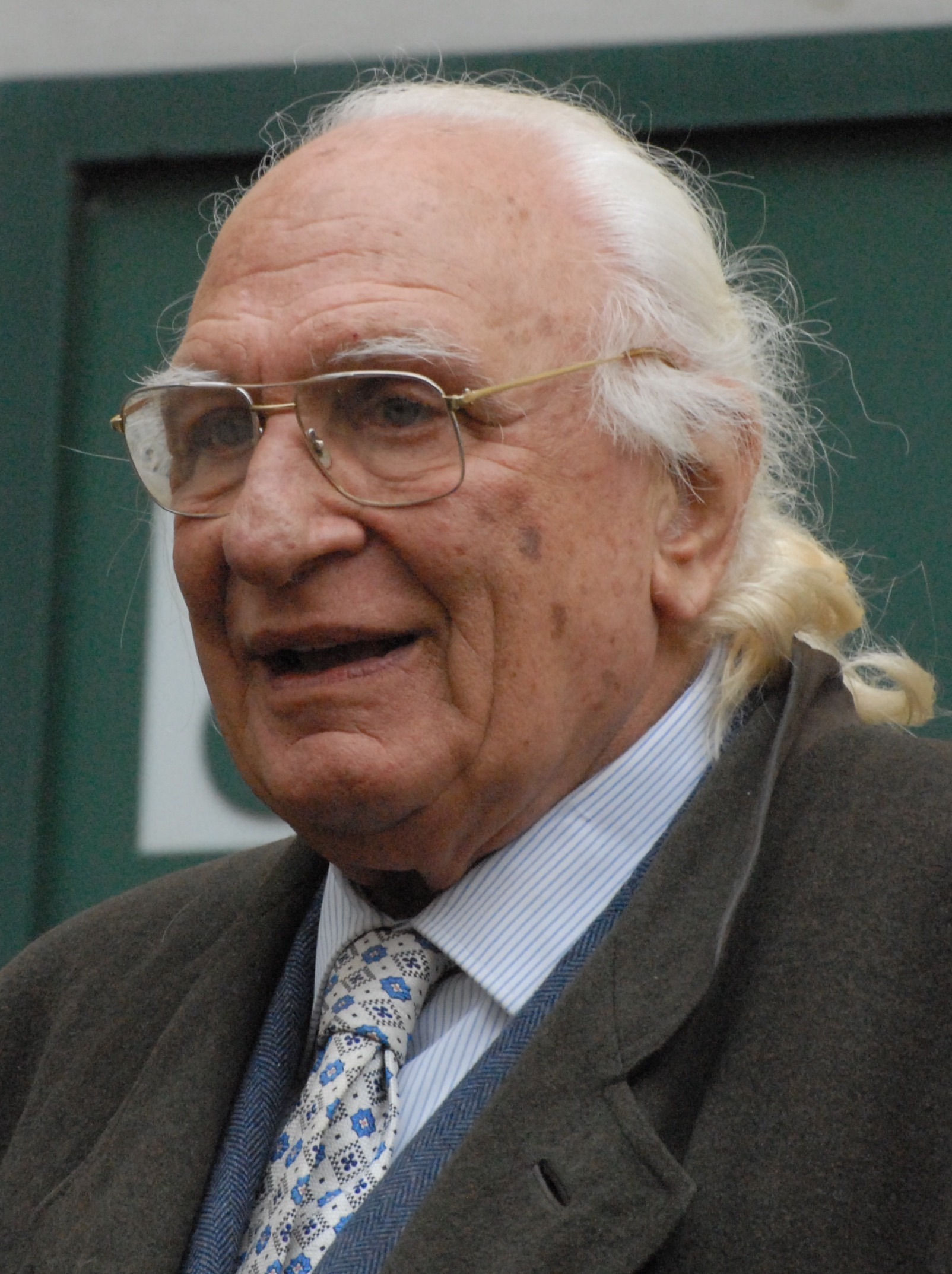
Marco Pannella, born Giacinto Pannella on May 2, 1930, in Teramo, Italy, was one of the most influential and controversial figures in Italian politics. A leader of the Radical Party for nearly four decades, Pannella was known for his relentless advocacy for civil rights, individual freedoms, and nonviolent protest. His life and career were marked by a deep commitment to social justice and a determination to challenge the status quo, making him a pivotal figure in modern Italian history.
Early Life and Political Awakening
Marco Pannella was born into a middle-class family in the Abruzzo region of Italy. From a young age, he demonstrated a keen interest in politics and social issues. He enrolled at the University of Rome, where he pursued a degree in law, graduating at the remarkably young age of 20. During his university years, Pannella became deeply involved in student activism, which laid the groundwork for his future political career.
In the early 1950s, Pannella became active in the Italian Liberal Party, where he quickly rose through the ranks. By the age of 22, he was appointed the national university representative of the party, and at 23, he became the President of the National Union of University Students (UNURI). These early experiences in student and liberal politics provided Pannella with a platform to advocate for his vision of a more open, democratic, and secular Italy.
The Founding of the Radical Party
In 1955, Marco Pannella, along with a group of intellectuals and democratic politicians, founded the Radical Party, a new political formation that sought to challenge the traditional political landscape in Italy. The Radical Party was established as a “new party for a new politics,” aiming to promote individual liberties, civil rights, and social reforms. The party’s founding members included prominent figures such as Eugenio Scalfari and Leo Valiani, who shared Pannella’s vision of a progressive and secular Italy.
The Radical Party began its activities in 1956, with Pannella at the forefront. Despite its small size and limited resources, the party quickly gained attention for its bold and uncompromising stance on various social issues. Pannella’s leadership was characterized by a willingness to take on powerful institutions, including the Catholic Church and the Italian government, in his quest for greater personal freedoms and human rights.
Early Political Battles and Nonviolent Protest
One of Pannella’s earliest and most significant political campaigns was his advocacy for divorce in Italy, a country where marriage was traditionally seen as an indissoluble sacrament. In 1965, Pannella launched a nationwide campaign to legalize divorce, a cause that faced fierce opposition from the Catholic Church and the Christian Democratic Party. Despite the seemingly insurmountable odds, Pannella’s tireless activism and strategic use of nonviolent protest methods, inspired by Mahatma Gandhi, eventually led to a historic victory.
The divorce referendum in 1974 was a turning point in Italian society. The “yes” vote, supported by Pannella and the Radical Party, triumphed over the “no” vote championed by the Christian Democrats. This victory not only legalized divorce in Italy but also marked a significant shift in the country’s social and political landscape, demonstrating the power of grassroots activism and the growing influence of secularism in Italian public life.
Pannella’s commitment to nonviolence extended beyond the divorce campaign. Throughout his career, he used hunger strikes and other forms of peaceful protest to draw attention to various causes, from civil rights to prison reform. In 1968, Pannella was arrested in Sofia, Bulgaria, while protesting against the Soviet invasion of Czechoslovakia. This arrest marked the beginning of a long series of confrontations with authoritarian regimes and governments that Pannella would challenge throughout his life.
The Radical Party and the Fight for Civil Liberties
During the 1970s and 1980s, the Radical Party, under Pannella’s leadership, became a major force in Italian politics, particularly in the areas of civil liberties and social justice. The party’s platform included the legalization of abortion, the decriminalization of drugs, and the abolition of nuclear weapons. Pannella and the Radicals also fought for the rights of prisoners, LGBTQ+ individuals, and other marginalized groups.
In 1973, Pannella founded and edited the newspaper “Liberazione,” which served as a voice for the Radical Party and its causes. The publication became an important tool for spreading the party’s message and rallying support for its campaigns. That same year, the party launched its campaign for the legalization of abortion, a contentious issue in a predominantly Catholic country like Italy.
The campaign for the legalization of abortion culminated in another landmark referendum in 1981. Despite strong opposition from the Catholic Church and conservative forces, the Italian public voted to uphold the law legalizing abortion, with 67.9% voting “no” to its repeal. This victory was another testament to Pannella’s ability to mobilize public opinion and effect change on deeply divisive issues.
The Case of Enzo Tortora
One of the most significant episodes in the history of the Radical Party was its involvement in the case of Enzo Tortora, a popular Italian television presenter who was wrongfully accused of being involved in a drug trafficking ring. Tortora’s arrest in 1983 shocked the nation and exposed serious flaws in the Italian judicial system. Pannella and the Radical Party took up Tortora’s cause, arguing that his arrest was a miscarriage of justice and a violation of his civil rights.
Pannella’s advocacy for Tortora was instrumental in bringing attention to the case and highlighting the broader issues of judicial corruption and abuse of power in Italy. In 1984, Tortora was elected to the European Parliament as a Radical Party candidate, a clear sign of public support for his plight and for the broader agenda of judicial reform championed by Pannella and his party.
Tortora was eventually acquitted of all charges in 1987, but the case left a lasting impact on Italian society. It underscored the need for greater transparency and accountability in the judicial system and solidified the Radical Party’s reputation as a defender of civil liberties and human rights.
Political Evolution and Later Years
The 1990s saw Pannella and the Radical Party continue to evolve, with Pannella increasingly focusing on issues such as European integration, globalization, and international human rights. In 1992, Pannella ran in the Italian general elections with the “Lista Pannella,” securing 1.2% of the vote and winning seven seats in parliament. Although the results were modest, they demonstrated the enduring appeal of Pannella’s message and the continued relevance of the Radical Party’s platform.
Pannella also played a key role in the formation of the Transnational Radical Party, an international organization dedicated to promoting human rights and democracy worldwide. The party sought to transcend national borders and address global issues such as the death penalty, drug policy reform, and the rights of indigenous peoples. Pannella’s work with the Transnational Radical Party reflected his belief that the fight for freedom and justice was not confined to any one country but was a universal struggle.
In the later years of his career, Pannella remained active in Italian and European politics, serving multiple terms as a Member of the European Parliament. He continued to advocate for a wide range of causes, from environmental protection to the rights of minority groups. Despite his advancing age and declining health, Pannella’s commitment to his principles never wavered.
Legacy and Impact
Marco Pannella passed away on May 19, 2016, at the age of 86, after a long battle with cancer. His death marked the end of an era in Italian politics, but his legacy lives on through the countless reforms and social changes he helped bring about. Pannella’s life was a testament to the power of perseverance, conviction, and nonviolent activism. He showed that one person, with enough determination and passion, could challenge the status quo and make a lasting impact on society.
Pannella’s influence extends beyond Italy. His work with the Transnational Radical Party and his advocacy for global human rights have inspired activists and politicians around the world. His approach to politics, characterized by a deep commitment to individual freedoms and a willingness to take bold, often unpopular stands, remains a model for those who seek to bring about meaningful change through democratic means.
In a world where political discourse is often dominated by partisanship and polarization, Pannella’s legacy serves as a reminder of the importance of staying true to one’s principles, even in the face of adversity. His life and career continue to be studied and celebrated by those who believe in the power of nonviolent protest and the enduring value of human rights.
Marco Pannella was not just a politician; he was a visionary who saw the potential for a better, more just world and dedicated his life to making that vision a reality. His contributions to Italian society, European integration, and global human rights will be remembered for generations to come.


