
Introduction
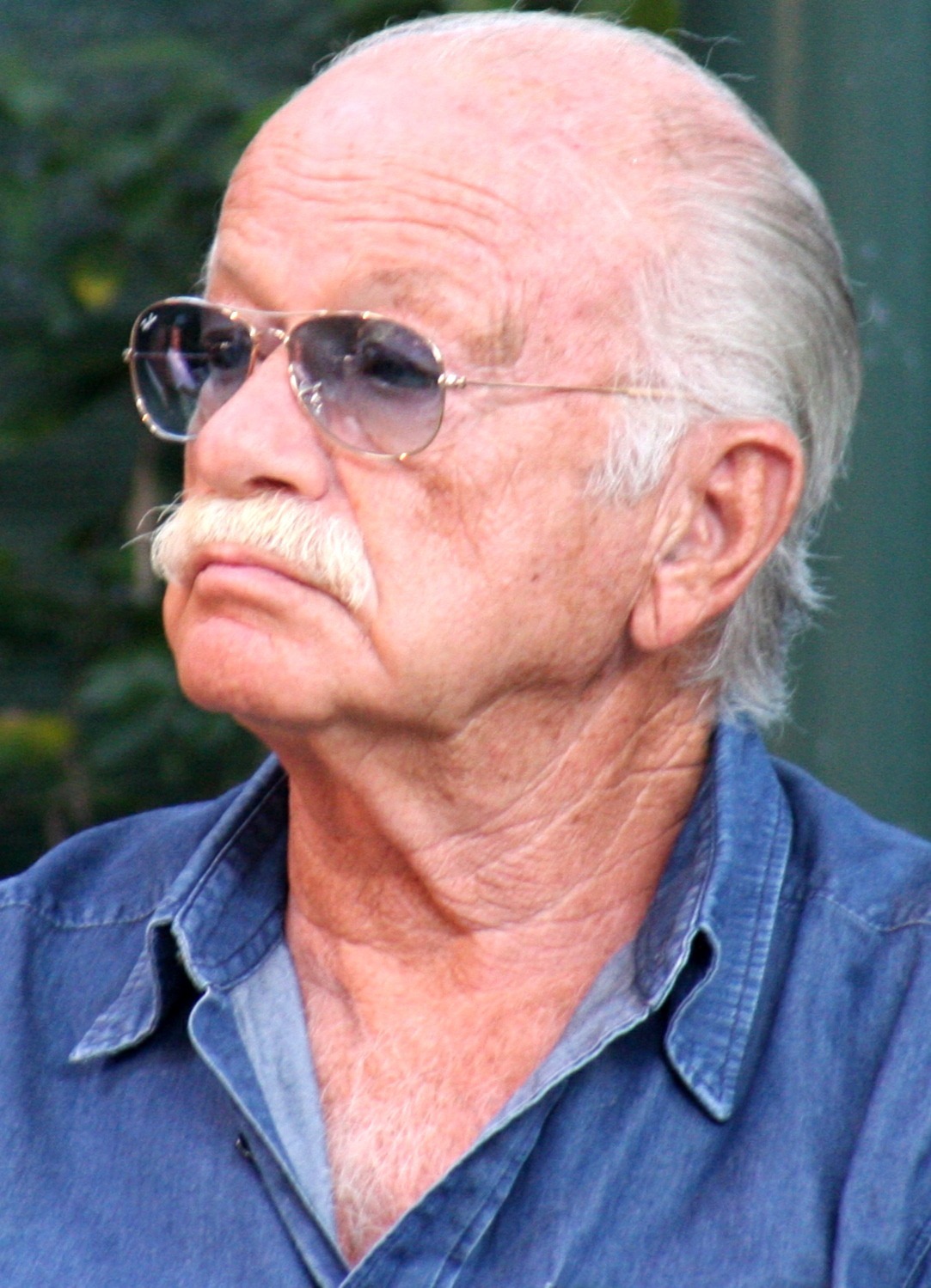
Gino Paoli, a prominent figure in the Italian music scene, is renowned for his contributions as a singer-songwriter. With a career spanning several decades, Paoli has carved out a distinctive niche in Italian music with his poignant lyrics and memorable melodies. This article explores the life, achievements, and historical context of Gino Paoli, providing a comprehensive look at his journey from his early beginnings to his status as a celebrated icon.
Early Life and Career Beginnings
Birth and Early Years
Gino Paoli was born on September 23, 1934, in Monfalcone, Italy. Although many associate him with Genoa, where he spent much of his formative years, his roots trace back to this northeastern Italian town. His early life was marked by a series of diverse experiences, including working as a porter, a graphic designer, and a painter. These roles, though seemingly unrelated to music, were integral in shaping his artistic sensibilities.
Relocation to Genoa
Paoli moved to Genoa as a child, a city that played a pivotal role in his development as a musician. It was here that he began his musical career, initially performing in local dance halls. His early gigs were modest, but they set the stage for his future success. During this period, he formed a band with friends Luigi Tenco and Bruno Lauzi, a collaboration that would prove influential in his career.
Breakthrough and Rise to Fame
First Success with Ricordi
In the early 1960s, Gino Paoli’s career took a significant turn when he was signed by the prestigious Ricordi record label, known for its history with classical giants like Bellini, Donizetti, Verdi, and Puccini. Paoli’s first single, “La gatta,” was a personal reflection on his life in a seaside attic. Despite an initial poor reception, the song eventually became a massive hit, selling over 100,000 copies weekly. This breakthrough marked the beginning of Paoli’s ascent in the Italian music industry.
Key Hits and Collaborations
Paoli’s early hits, including “Senza fine” and “Sapore di sale,” established him as a leading figure in Italian pop music. His collaboration with Ornella Vanoni led to the creation of “Senza fine,” a song that became a defining moment in Vanoni’s career. Additionally, his work with Mina on “Il cielo in una stanza” showcased his ability to blend lyrical depth with mainstream appeal.
Influence and Innovations
The Birth of Italian Cantautorato
Gino Paoli was instrumental in the development of the Italian cantautorato movement—a genre characterized by its focus on poetic lyrics and personal expression. This movement marked a departure from traditional entertainment music, emphasizing authentic storytelling and emotional depth. Alongside other artists like Luigi Tenco and Bruno Lauzi, Paoli helped transform Italian music into a form of artistic expression, reflecting real-life experiences and sentiments.
Artistic Evolution and Iconic Works
Throughout the 1960s and 1970s, Paoli continued to release music that resonated with audiences. Songs like “Sassi,” “Me in tutto il mondo,” and “Che cosa c’è” became classics, translated into various languages and celebrated internationally. His 1975 album, “I semafori rossi non sono Dio,” demonstrated his commitment to themes of freedom and democracy, reflecting his broader socio-political concerns.
Personal Challenges and Comebacks
Struggles and Hiatus
Despite his success, Paoli faced personal challenges, including a notable crisis in the late 1960s. At one point, he reportedly aimed a Derringer pistol at his heart, seeking to understand the nature of his own existence. The bullet remains in his body as a symbol of this turbulent period.
During the 1980s, Paoli withdrew from the music scene, taking time for reflection. This hiatus was marked by a period of introspection, as he navigated personal and professional challenges. However, his return to music was marked by a renewed vigor and creative output.
Resurgence and Later Career
Paoli’s comeback was marked by a series of innovative albums, including “Il mio mestiere” and “Senza contorno, solo… per un’ora.” These works explored themes of freedom, diversity, and social commentary, aligning with his earlier cantautorato roots. His collaboration with Zucchero in the 1980s also highlighted his ongoing influence in the music industry.
In 2002, Paoli released the album “Se,” featuring the successful single “Un altro amore.” His participation in the “Pavarotti and Friends” concert further solidified his status as a leading figure in Italian music.
Legacy and Recognition
Awards and Honors
Gino Paoli’s contributions to music have been widely recognized. In 2004, he received the “Premio alla Carriera” at the Sanremo Music Festival, a testament to his enduring impact on the Italian music scene. His work has also been celebrated in various jazz festivals, reflecting his versatility and ongoing relevance.
Influence on Italian Music
Paoli’s influence extends beyond his own recordings. He has been a mentor to numerous artists, including Lucio Dalla and Fabrizio De André, helping to shape the careers of emerging talents. His music has been embraced by a wide range of artists and genres, from jazz to pop, demonstrating his ability to transcend musical boundaries.
Conclusion
Gino Paoli’s journey from a young boy in Monfalcone to a celebrated icon of Italian music is a testament to his talent, perseverance, and artistic vision. His impact on the cantautorato movement and Italian pop music is profound, and his ability to evolve and innovate has ensured his place in the annals of music history. As he continues to inspire new generations of musicians and fans, Gino Paoli remains a true legend in the world of music.


