
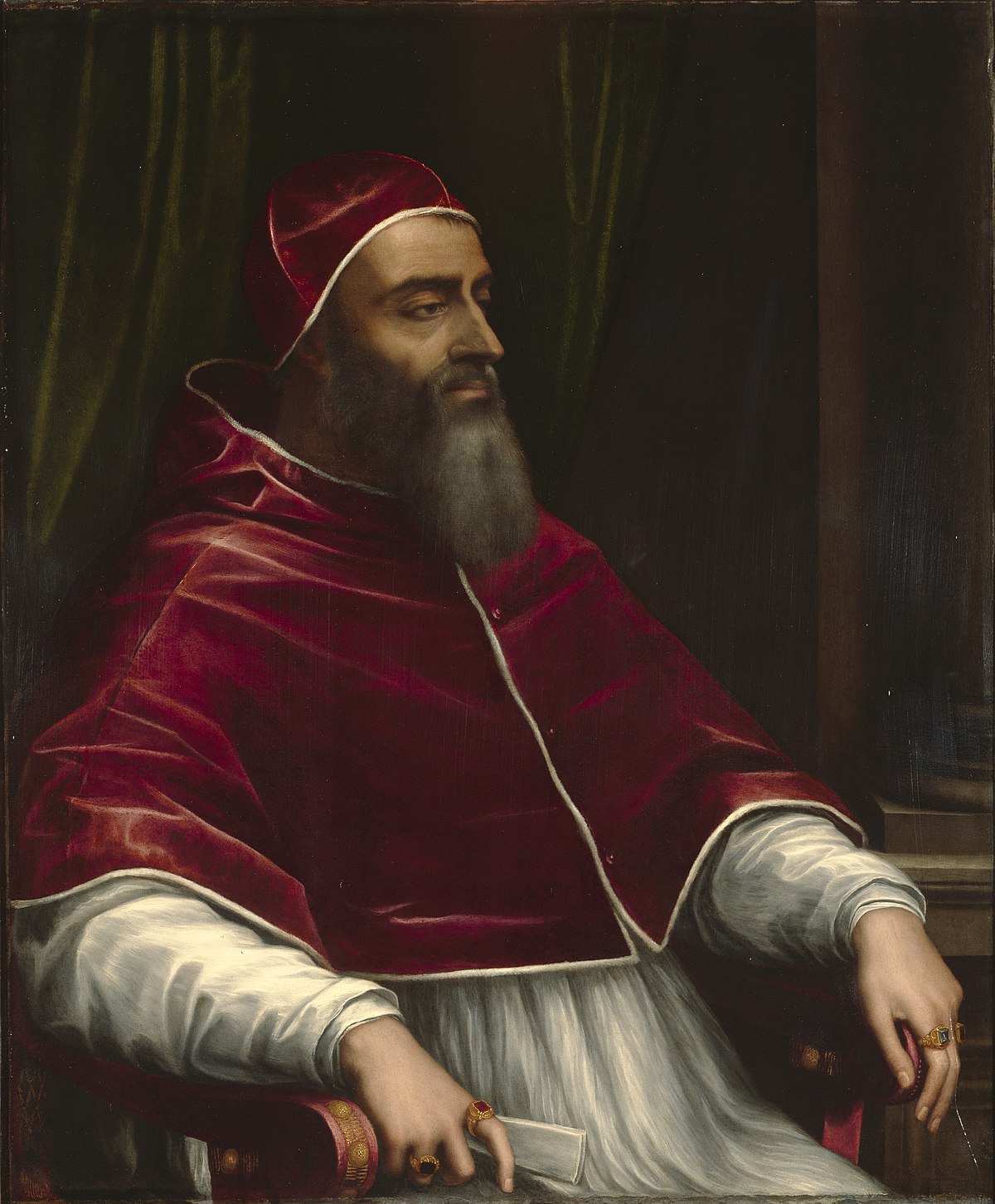
Papa Clemente VII, born Giulio de’ Medici on May 26, 1478, in Florence, Italy, stands out as one of the most intriguing and controversial figures in the history of the Catholic Church. His papacy was marked by political turbulence, significant religious shifts, and profound personal challenges. His life and career offer a window into the complexities of 16th-century European politics and the Church’s struggle to maintain its influence during a period of intense reform and upheaval.
Early Life and Background
Giulio de’ Medici was born into the illustrious Medici family, renowned for its significant influence in Florence and beyond. He was the son of Giuliano de’ Medici, who was assassinated in the Pazzi Conspiracy of 1478. The conspiracy aimed to overthrow the Medici family, and while Giuliano was murdered, his brother Lorenzo, known as Lorenzo the Magnificent, survived. Giulio, a natural son of Giuliano, was later formally recognized and integrated into the Medici family.
Following his father’s death, Giulio was raised by Lorenzo the Magnificent and received a robust education. At a young age, he was groomed for a career in the Church, which was a common path for the younger sons of noble families. By the age of seven, he was being prepared for ecclesiastical duties, and in 1495, with the fall of the Medici from power, Giulio relocated to Rome. There, he was under the protection of his cousin Giovanni, who would later become Pope Leo X.
Rise to the Papacy
Giulio de’ Medici’s ecclesiastical career advanced rapidly. In March 1513, his cousin Giovanni was elected Pope Leo X. Under Leo X’s patronage, Giulio was appointed the Archbishop of Florence and later elevated to cardinal in September 1513. At just 35 years old, Giulio’s rise within the Church was meteoric, facilitated by his family connections and political acumen.
In 1517, Giulio was appointed Vice Chancellor of the Holy See, a position that gave him significant influence over the administration of the Church. His primary responsibilities included countering the Protestant Reformation, a challenge that was to shape much of his papacy. The rise of Martin Luther and his critique of the Church posed a severe threat to its authority, and Giulio was at the forefront of efforts to address this challenge.
The Papacy of Clement VII
Giulio de’ Medici was elected Pope Clement VII on November 19, 1523, following the death of Pope Adrian VI. His election marked the beginning of a tumultuous papacy characterized by political maneuvering and crises both within the Church and across Europe.
Political Turmoil and the Sack of Rome
One of the most dramatic episodes of Clement VII’s papacy was the Sack of Rome in 1527. The political landscape of Europe was increasingly fragmented, with the Holy Roman Emperor Charles V and King Francis I of France engaged in a bitter conflict. Clement VII found himself caught between these two powers, struggling to navigate the shifting alliances and threats.
The sack, led by the imperial army under Charles V’s command and carried out by the mutinous troops, was a catastrophic event for Rome. The city was ravaged, and the papal residence was besieged. Clement VII, unable to prevent or mitigate the destruction, was forced to take refuge in the Castle of Sant’Angelo. The sack was a devastating blow to the Church and to Clement VII personally, highlighting his difficulties in managing the complex political realities of his time.
The sack of Rome also had lasting repercussions for Clement VII’s reign. It exposed the vulnerability of the papacy and the city of Rome itself. The destruction of the city, combined with the subsequent loss of prestige for the papacy, was a major blow from which the Church would take years to recover.
Diplomatic Efforts and the League of Cognac
In response to the aggressive policies of Charles V and the threats to the independence of the Italian states, Clement VII sought to strengthen alliances with other European powers. He played a crucial role in forming the League of Cognac in 1526, an alliance that included France, Venice, and several Italian states. This coalition aimed to counterbalance the power of the Holy Roman Empire and to restore stability to Italy.
Despite these efforts, Clement VII’s diplomatic maneuvers were often met with mixed results. The formation of the League and its subsequent actions did not prevent the sack of Rome, and the papacy struggled to regain its position of authority in the aftermath of the crisis.
Religious Reforms and the Counter-Reformation
Clement VII’s papacy was also marked by efforts to address the growing Protestant Reformation. The Reformation had gained significant traction across Europe, challenging the Catholic Church’s doctrines and practices. Clement VII faced considerable pressure to respond to these challenges while managing the political crises affecting his papacy.
In 1528, Clement VII approved the establishment of the Capuchin Order, a reform movement within the Franciscan tradition aimed at addressing some of the criticisms leveled at the Church by reformers. This was part of a broader effort to respond to the Reformation and to demonstrate the Church’s commitment to reform from within.
Artistic Patronage and Legacy
Despite the political and religious turmoil, Clement VII’s papacy was also marked by significant contributions to the arts. He was a patron of artists and architects, continuing the Medici tradition of supporting cultural and artistic endeavors. Clement VII’s patronage extended to prominent figures such as Michelangelo and Raphael, contributing to the rich artistic legacy of the Renaissance.
Clement VII’s reign came to a tragic end on September 25, 1534, when he died of illness—reportedly due to the ingestion of a poisonous mushroom, Amanita phalloides. His death marked the end of a complex and turbulent period in the history of the papacy. He was buried in the church of Santa Maria sopra Minerva, in a tomb designed by his architect Antonio Sangallo.
Conclusion
Pope Clement VII’s life and papacy were defined by significant challenges and achievements. His tenure was marked by political intrigue, diplomatic efforts, and attempts to address the profound religious changes of his time. Despite the difficulties he faced, including the sack of Rome and the ongoing Protestant Reformation, Clement VII’s impact on the Catholic Church and his contributions to the arts and reform efforts remain a notable part of his legacy.
His life story offers a rich narrative of a pope navigating a turbulent era, balancing the demands of political alliances with the need for religious reform. Clement VII’s legacy is a testament to the complexities of papal leadership during one of the most critical periods in Church history.


