
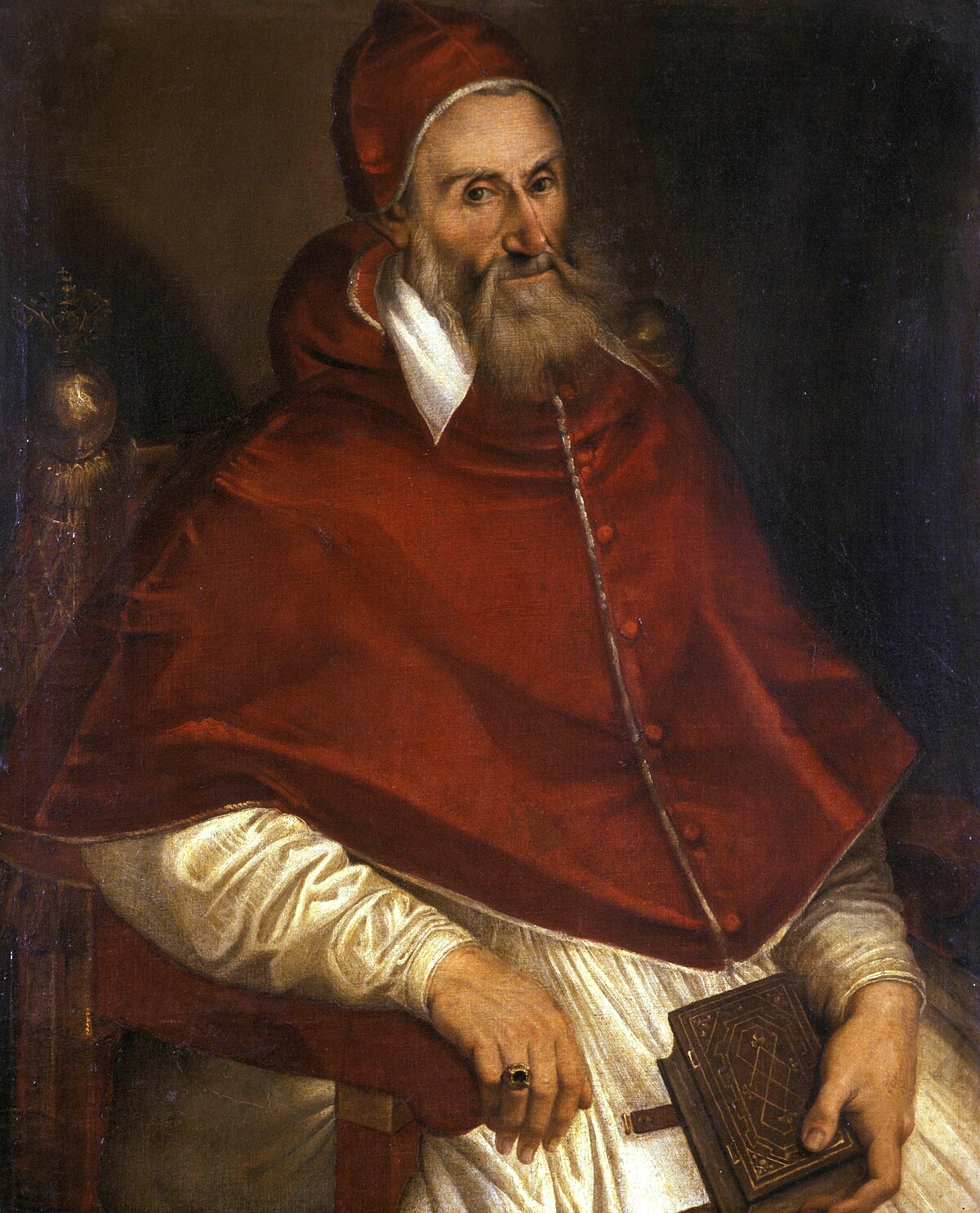
Pope Gregory XIII, born Ugo Boncompagni on January 7, 1502, in Bologna, Italy, is a figure of immense historical significance, particularly known for his implementation of the Gregorian Calendar—a reform that continues to impact the world today. His papacy, which spanned from 1572 to 1585, was marked by significant ecclesiastical reforms, diplomatic missions, and a rigorous approach to church administration. This article explores the age, fame, and life highlights of Pope Gregory XIII, delving into his contributions, the historical context of his papacy, and his enduring legacy.
Early Life and Education
Ugo Boncompagni was born into a prosperous family in Bologna, the son of Cristoforo Boncompagni, a wealthy merchant, and Angela Marescalchi. His early education was characterized by a rigorous study of the humanities, which was typical for young men of his social standing. Boncompagni went on to study law at the University of Bologna, one of the most prestigious universities in Europe at the time. In 1530, he earned a doctorate in both civil and canon law, a distinction known as utroque iure, which paved the way for his future ecclesiastical career.
Boncompagni’s legal expertise quickly earned him a position as a professor of law at the University of Bologna. His reputation as a skilled jurist and teacher grew, attracting students who would later become significant figures in the Church, including Carlo Borromeo, Reginald Pole, and Alessandro Farnese. However, despite his success in academia, Boncompagni felt a strong pull towards the Church, which led him to pursue a career within its ranks.
Entry into the Church and Early Ecclesiastical Career
In 1539, at the invitation of Cardinal Pietro Paolo Parisio, Ugo Boncompagni moved to Rome, where he began to ascend the ranks of the Church. His legal acumen did not go unnoticed, and he was soon appointed as a papal jurist by Pope Paul III. In 1546, Boncompagni was selected to serve as an expert in canon law at the Council of Trent, a critical event in the history of the Catholic Church that aimed to address issues raised by the Protestant Reformation and to initiate internal reforms.
The Council of Trent was a defining moment for Boncompagni, as it allowed him to showcase his deep understanding of Church law and governance. His work at the Council earned him considerable respect within the Church, and it was during this period that he solidified his reputation as a capable and knowledgeable churchman. Despite his growing ecclesiastical responsibilities, Boncompagni maintained his ties to his native Bologna, inheriting a significant portion of his family’s estate after the death of his father in 1547.
Personal Life and Legacy
In a move that would have profound personal and professional consequences, Ugo Boncompagni fathered a son, Giacomo, in 1548. The child was born out of wedlock, a fact that could have severely hindered Boncompagni’s ecclesiastical career. However, he took steps to ensure that his son was legitimized, thus securing his place in society. Giacomo would later become a significant figure in his own right, holding various titles and positions within the Church and the secular world.
Despite the potential scandal, Boncompagni’s career continued to flourish. His legal and diplomatic skills led to numerous appointments, including as the datarius (a senior official in charge of petitions to the Pope) under Pope Paul IV. His work earned him the trust of successive popes, leading to his elevation to the College of Cardinals by Pope Pius IV in 1565. As a cardinal, Boncompagni was sent on several important diplomatic missions, including to Spain, where he successfully navigated complex political and religious issues, further enhancing his reputation.
Election as Pope
On May 13, 1572, following the death of Pope Pius V, Ugo Boncompagni was elected Pope by the Sacred College of Cardinals. He took the name Gregory XIII, in honor of Pope Gregory I, known as Gregory the Great. Gregory XIII was 70 years old at the time of his election, an age that brought with it a wealth of experience in ecclesiastical and legal matters.
The conclave that elected Gregory XIII was one of the shortest in history, lasting less than two days. This swift decision reflected the confidence that the cardinals had in Boncompagni’s abilities to lead the Church during a time of significant religious and political challenges. His election came at a crucial moment in the Counter-Reformation, a period marked by the Catholic Church’s efforts to reform itself and to counter the spread of Protestantism in Europe.
Major Achievements and Reforms
Pope Gregory XIII is best remembered for his role in reforming the calendar, resulting in the introduction of the Gregorian Calendar in 1582. Before this reform, the Julian Calendar, which had been in use since the time of Julius Caesar, had accumulated significant inaccuracies due to its misalignment with the solar year. Over centuries, these discrepancies had grown, leading to a misalignment of the calendar with important religious observances, particularly Easter.
To address this issue, Gregory XIII commissioned a team of experts, including the astronomer Christopher Clavius and the mathematician Aloysius Lilius, to devise a solution. The result was the Gregorian Calendar, which adjusted the calculation of leap years and corrected the date of the spring equinox. The reform was implemented by skipping 10 days in October 1582; thus, October 4 was followed directly by October 15. This new calendar was quickly adopted by Catholic countries and eventually by most of the world, becoming the internationally accepted standard.
Beyond the calendar reform, Gregory XIII’s papacy was marked by numerous other significant initiatives. He was a strong proponent of education and took several steps to improve the training of the clergy. In 1577, he founded the Collegio Neofiti, an institute for the Christian education of Jews who had converted to Catholicism. He also established the Gregorian University in Rome, which became a leading center of Catholic education and theological study.
Religious Policies and Controversies
Pope Gregory XIII’s tenure was also characterized by his efforts to strengthen the Church’s influence across Europe and beyond. He was a staunch supporter of the Jesuit order, which played a crucial role in the Counter-Reformation through its educational and missionary activities. Gregory XIII provided significant financial and institutional support to the Jesuits, helping them to establish schools and missions across Europe and in the newly colonized Americas and Asia.
However, Gregory XIII’s papacy was not without controversy, particularly regarding his policies toward non-Catholics. His support for the St. Bartholomew’s Day Massacre in 1572, in which thousands of French Huguenots (Protestants) were killed, remains one of the most contentious aspects of his legacy. The Pope ordered the creation of a commemorative medal and commissioned a fresco by Giorgio Vasari to celebrate the event, actions that have been widely criticized by historians.
Gregory XIII also enacted measures that targeted Jewish communities. In 1582, he issued a decree that prohibited Jewish doctors from treating Christian patients, reflecting the growing intolerance towards Jews during this period. Additionally, he mandated that Jews over the age of 12 attend compulsory sermons aimed at converting them to Christianity. These actions contributed to the worsening conditions for Jewish communities in Italy and across Europe.
Architectural and Cultural Contributions
Pope Gregory XIII’s contributions to the cultural and architectural heritage of Rome were significant. He continued the work of his predecessors in enhancing the grandeur of the Vatican and the city of Rome. One of his notable projects was the completion of the Gregorian Chapel in St. Peter’s Basilica, a masterpiece of Renaissance architecture and art. The chapel was intended to house the remains of St. Gregory the Great, further cementing the legacy of his papal namesake.
Gregory XIII also commissioned the construction of the Quirinal Palace, which served as a papal residence and later became the official residence of the President of the Italian Republic. His patronage of the arts extended to other significant projects, including the expansion of the Jesuit church of Il Gesù in Rome, which became a model for Jesuit churches worldwide.
Final Years and Death
Pope Gregory XIII’s final years were marked by continued dedication to his papal duties, even as his health began to decline. He remained active in Church affairs, overseeing the implementation of his reforms and maintaining diplomatic relations with European monarchs. Despite his advanced age, Gregory XIII’s energy and commitment to the Church never waned.
Gregory XIII passed away on April 10, 1585, at the age of 83, after a brief illness. His death marked the end of a papacy that had significantly shaped the religious, cultural, and political landscape of Europe. He was buried in St. Peter’s Basilica, where his tomb remains a testament to his enduring legacy.
Legacy and Impact
Pope Gregory XIII’s legacy is multifaceted, encompassing his contributions to the Church, his role in the Counter-Reformation, and his impact on global timekeeping through the Gregorian Calendar. His papacy was a time of significant change and challenge, both for the Catholic Church and for Europe as a whole. Gregory XIII’s reforms in education, Church law, and the liturgical calendar had a lasting impact on the Catholic Church and continue to influence it to this day.
However, his legacy is also marked by controversy, particularly regarding his support for actions against non-Catholics and his harsh measures against Jewish communities. These aspects of his papacy reflect the complexities of his time, a period marked by religious conflict and the struggle for dominance between Catholic and Protestant forces in Europe.
In sum, Pope Gregory XIII was a figure of great influence and significance. His contributions to the Church and to the world at large are undeniable, even as his actions and policies invite critical reflection. As we look back on his life and papacy, it is clear that Gregory XIII was a man of vision and determination, whose impact is still felt centuries after his death.


