
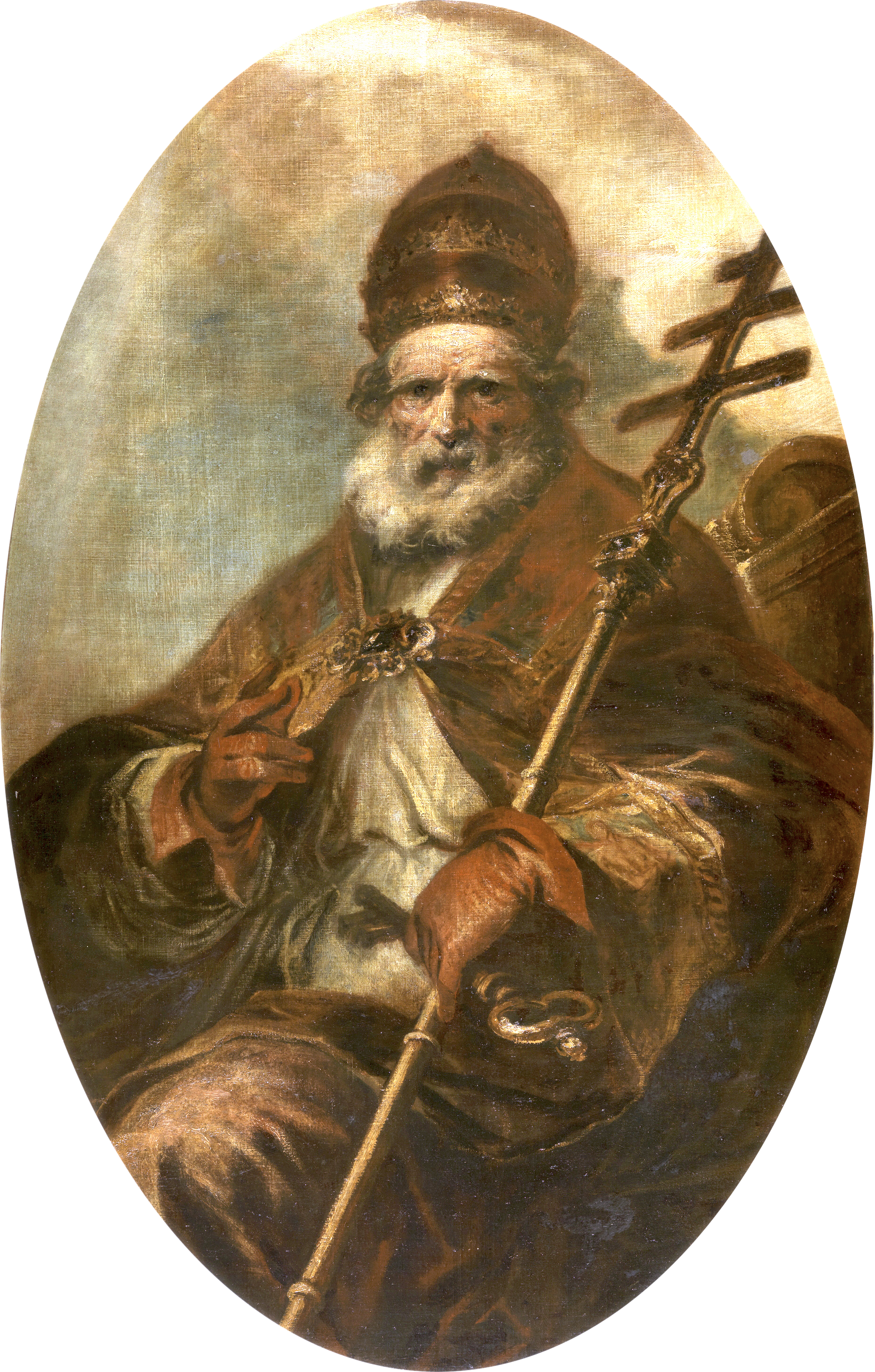
Papa Leone I, also known as Saint Leo the Great, was a pivotal figure in early Christian history. Born around 390 AD in Tuscany, possibly in Volterra, and passing away on November 10, 461 AD in Rome, his life and pontificate had a profound impact on the development of the Catholic Church and its doctrines. His papacy is notable for its role in shaping the Church during a tumultuous period marked by the decline of the Western Roman Empire.
Early Life and Ecclesiastical Career
Leo I’s early life remains somewhat obscure, but his rise within the Church is well-documented. Entering the ecclesiastical career during the papacy of Celestine I (422-432), Leo initially served as a deacon under Pope Sixtus III. His deep commitment and theological acumen soon led to his election as Pope on September 29, 440 AD. His pontificate lasted until his death in 461 AD, making him one of the longest-serving popes of the early Church.
The Historical Context of Pope Leo I’s Papacy
Pope Leo I’s tenure was set against the backdrop of significant historical and political upheaval. The Western Roman Empire was in a state of decline, facing invasions by various barbarian tribes. This period was marked by chaos and instability, which deeply affected the Church and its followers.
The Barbarian Invasions
One of the most notable challenges during Leo’s papacy was the frequent invasions by barbarian tribes. These invasions brought widespread devastation and disorder to the Roman world. The Church, as an institution, was not only a spiritual beacon but also a refuge for people amidst these crises.
According to legend, Pope Leo I played a crucial role in halting the advance of Attila the Hun in 452 AD. The story goes that Leo met Attila and persuaded him to turn back from his siege of Rome, thereby saving the city from destruction. This encounter has been depicted in various works of art, including the famous fresco by Raphael, “The Meeting of Leo the Great and Attila.”
However, recent archaeological findings have suggested a different narrative. Excavations at the Roman villa of Poggio Gramignano in Lugnano in Teverina (Terni) have revealed evidence of a malaria epidemic that may have influenced Attila’s decision to retreat. The hypothesis is that Leo I may have informed Attila about the epidemic, which, combined with the fear of disease, could have led to the Huns’ withdrawal. This theory adds a layer of complexity to the traditional account of Leo’s role in stopping Attila.
Leo I’s Contributions to the Church
Pope Leo I’s contributions to the Catholic Church were substantial and multifaceted. His papacy was characterized by efforts to consolidate the Church’s teachings, defend its doctrines, and strengthen its organization.
Sermons and Epistles
Leo I is renowned for his extensive writings, including 96 sermons and 173 epistles. These documents reflect his deep theological understanding and his efforts to address various issues facing the Church. His sermons often focused on reinforcing orthodox Christian doctrine and combating heresies, which were prevalent during his time.
One of Leo’s most significant contributions was his role in the development of Christological doctrine. He was instrumental in the definition of the doctrine of the hypostatic union—the belief that Jesus Christ is both fully divine and fully human. This doctrine was articulated in his famous “Tome of Leo,” which was pivotal in the Council of Chalcedon in 451 AD. The Council’s declaration of the hypostatic union became a cornerstone of Christian orthodoxy.
Liturgical Reforms
Leo I also undertook significant liturgical reforms. He worked to organize and standardize the liturgy, which was essential for maintaining the unity and consistency of worship across the vast and diverse Christian community. His efforts to improve the Church’s liturgical practices contributed to the development of a more structured and unified religious experience for Christians.
Organizational Strengthening
Another key aspect of Leo’s papacy was his focus on strengthening the organizational structure of the Church. He worked to consolidate the Church’s administrative functions and enhance its ability to respond to the challenges of the time. His efforts in this area helped to ensure the Church’s stability and continuity amidst the political and social upheavals of the period.
Legacy and Canonization
Pope Leo I’s impact on the Church and Christian doctrine has been lasting. He was canonized as a saint by the Catholic Church and is also venerated by the Orthodox Church. His contributions to Christian theology, particularly his role in defining the nature of Christ, have had a profound and enduring influence on Christian thought.
Leo I’s papacy is often viewed as a period of significant theological and organizational development. His efforts to uphold and defend the faith, his contributions to liturgical and administrative reforms, and his role in shaping Christian doctrine all underscore his importance in the history of the Church.
Cultural Depictions
Pope Leo I’s encounter with Attila the Hun has been a popular subject in art and literature. The fresco by Raphael, “The Meeting of Leo the Great and Attila,” painted in 1514, is a testament to the dramatic and enduring nature of this historical episode. The fresco captures the dramatic moment when Leo is said to have confronted Attila, showcasing Raphael’s artistic prowess and the enduring fascination with Leo’s legendary encounter with the Hun leader.
Conclusion
Pope Leo I’s life and papacy were marked by significant achievements and challenges. His efforts to consolidate the Church’s teachings, defend its doctrines, and strengthen its organizational structure played a crucial role in shaping the early Christian Church. His legacy continues to be celebrated in the Catholic and Orthodox traditions, and his contributions to Christian theology remain influential to this day.
The story of Pope Leo I, from his humble beginnings in Tuscany to his pivotal role in the history of the Church, exemplifies the resilience and dedication that characterized his life. His legacy is a testament to the enduring impact of his leadership and the importance of his contributions to Christian theology and ecclesiastical history.


