
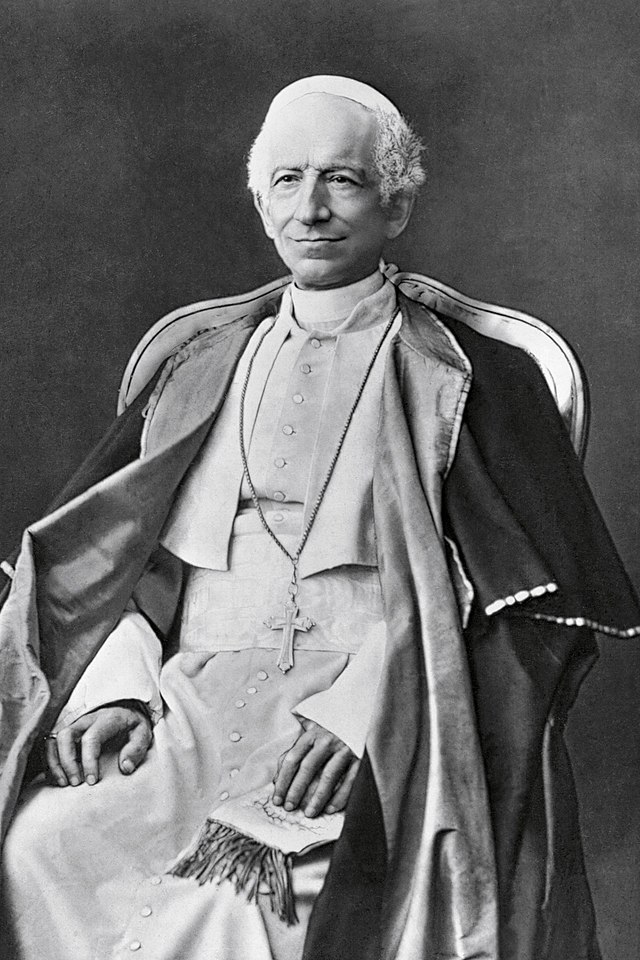
Pope Leo XIII, born Vincenzo Gioacchino Raffaele Luigi Pecci, served as the head of the Roman Catholic Church from 1878 until his death in 1903. His papacy is remembered for its longevity and significant influence on the Church’s relationship with the modern world. Pope Leo XIII’s life was marked by numerous achievements, deep theological insights, and a progressive approach to engaging with social and political issues of his time. In this article, we delve into the age, fame, and life highlights of Pope Leo XIII, exploring his impact on the Catholic Church and the world.
Early Life and Background
Vincenzo Pecci was born on March 2, 1810, in Carpineto Romano, a small town in the Papal States, to a noble but modestly wealthy family. His early life was steeped in the traditions of the Church, and his education was marked by a strong emphasis on classical studies, theology, and canon law. From a young age, Pecci exhibited a keen intellect and a deep piety, qualities that would guide his future endeavors within the Church.
As a young priest, Pecci was known for his administrative acumen and dedication to the spiritual and temporal welfare of his parishioners. His early assignments included various diplomatic roles and administrative positions within the Church, where he demonstrated an ability to navigate the complexities of ecclesiastical and secular governance. These early experiences laid the foundation for his later work as Pope, particularly in his efforts to modernize the Church and engage with the broader social and political issues of the day.
Ascension to the Papacy
Pope Leo XIII was elected to the papacy on February 20, 1878, following the death of Pope Pius IX. His election marked a turning point in the history of the Catholic Church, coming at a time when the Church faced significant challenges from the forces of modernity, including the rise of secularism, scientific advancements, and political upheavals in Europe.
At the time of his election, Pope Leo XIII was already 68 years old, an age considered advanced for a new pontiff. Despite his age, his papacy would become one of the longest in the history of the Church, lasting for 25 years. During this period, Pope Leo XIII became known for his intellectual vigor, diplomatic skills, and a profound commitment to addressing the spiritual and temporal needs of his flock.
Intellectual Contributions and Encyclicals
Pope Leo XIII is perhaps best known for his numerous encyclicals, which addressed a wide range of issues, from social justice and workers’ rights to the proper relationship between the Church and the modern state. His most famous encyclical, “Rerum Novarum” (1891), laid the groundwork for the Church’s teachings on social justice, labor rights, and the responsibilities of both employers and employees. This document is widely regarded as the foundation of modern Catholic social teaching and has had a lasting impact on the Church’s engagement with social and economic issues.
In “Rerum Novarum,” Pope Leo XIII emphasized the dignity of work, the rights of workers to form unions, and the necessity of a living wage. He argued for a balanced approach that respected both private property and the rights of individuals to seek better working conditions and fair treatment. The encyclical was groundbreaking for its time, as it challenged both unrestrained capitalism and socialism, advocating instead for a model of society that balanced the interests of different social groups.
Beyond “Rerum Novarum,” Pope Leo XIII authored several other influential encyclicals, such as “Aeterni Patris” (1879), which called for a revival of Thomistic philosophy, and “Immortale Dei” (1885), which outlined the proper relationship between the Church and the state. His intellectual contributions were not limited to theological matters; he also promoted the study of the natural sciences and encouraged dialogue between faith and reason, recognizing the value of scientific inquiry in understanding God’s creation.
Diplomatic Achievements
Pope Leo XIII was also a skilled diplomat who sought to navigate the complex political landscape of late 19th-century Europe. His efforts to improve relations with various European powers, including France, Germany, and Italy, were marked by a pragmatic approach that balanced the Church’s spiritual authority with the realities of the political world. He was instrumental in negotiating concordats with several countries, agreements that helped to protect the rights of Catholics and the autonomy of the Church in a period of growing secularization.
One of Pope Leo XIII’s notable diplomatic achievements was his role in the Kulturkampf, a conflict between the German state and the Catholic Church under Chancellor Otto von Bismarck. Through patient negotiation and strategic engagement, Pope Leo XIII managed to ease tensions and restore some level of religious freedom to German Catholics, demonstrating his diplomatic prowess and commitment to protecting the Church’s interests.
Advocacy for Christian Unity
A significant aspect of Pope Leo XIII’s papacy was his advocacy for Christian unity. He was deeply concerned about the divisions within Christianity and sought to bridge gaps between the Roman Catholic Church and other Christian denominations. His efforts in this regard were marked by a spirit of openness and dialogue, as he encouraged theological discussions and mutual understanding among Christians of different traditions.
Pope Leo XIII also worked to strengthen the Church’s mission work, recognizing the importance of spreading the Catholic faith and supporting missionary activities around the world. He encouraged the establishment of new missionary societies and provided guidance to missionaries in their efforts to evangelize and serve in diverse cultural contexts.
Historical Context and Legacy
Pope Leo XIII’s papacy came at a time of significant change and challenge for the Catholic Church. The late 19th and early 20th centuries were marked by rapid industrialization, social upheaval, and the rise of secular ideologies that often conflicted with traditional religious beliefs. In this context, Pope Leo XIII sought to position the Church as a moral authority capable of addressing the complex social, economic, and political issues of the day.
His legacy is multifaceted, encompassing his theological contributions, diplomatic achievements, and efforts to engage with the modern world. Pope Leo XIII’s encyclicals continue to be referenced in discussions on social justice, labor rights, and the role of the Church in contemporary society. His emphasis on dialogue, reason, and engagement with the broader world set a precedent for future popes, who would build on his efforts to address the challenges of their times.
Pope Leo XIII and the Modern World
Pope Leo XIII’s approach to modernity was characterized by a careful balance between upholding the traditions of the Church and engaging with contemporary social issues. He recognized the need for the Church to address the challenges posed by modern society, including the rise of secularism, the spread of new ideologies, and the changing economic landscape.
In this context, Pope Leo XIII’s teachings on social justice and workers’ rights were particularly significant. He understood that the Church could not remain indifferent to the plight of the working class, who were often exploited and marginalized in the rapidly industrializing societies of the late 19th century. His call for a just wage, the right to form unions, and the protection of workers’ rights were groundbreaking for their time and have continued to influence the Church’s social teaching to this day.
Pope Leo XIII’s engagement with the modern world also extended to his support for scientific inquiry and education. He recognized the value of scientific research in understanding God’s creation and encouraged Catholics to engage with the natural sciences. This openness to scientific inquiry was a departure from the more defensive stance taken by some of his predecessors and helped to position the Church as a partner in the pursuit of knowledge and truth.
The Impact of Pope Leo XIII’s Papacy
The impact of Pope Leo XIII’s papacy is still felt today, more than a century after his death. His teachings on social justice and workers’ rights continue to resonate in discussions on economic inequality and the role of the Church in addressing contemporary social issues. His emphasis on dialogue, reason, and engagement with the broader world has also influenced the Church’s approach to interfaith relations and ecumenism.
Pope Leo XIII’s efforts to promote Christian unity have had a lasting impact on the Church’s relationship with other Christian denominations. His call for dialogue and mutual understanding has paved the way for greater cooperation and collaboration among Christians of different traditions, and his legacy in this area continues to inspire efforts towards Christian unity today.
Conclusion
Pope Leo XIII’s life and papacy were marked by a commitment to addressing the challenges of his time with wisdom, courage, and a deep sense of justice. His teachings on social justice, workers’ rights, and the relationship between the Church and the modern state continue to be relevant today, providing valuable insights into the Church’s role in addressing contemporary social issues.
As we reflect on the life and legacy of Pope Leo XIII, we are reminded of the importance of engaging with the world around us, seeking to promote justice, dialogue, and understanding in all aspects of life. His example serves as a powerful reminder of the Church’s mission to be a beacon of hope and a force for good in the world.
By embracing the challenges of his time and addressing them with wisdom and compassion, Pope Leo XIII left a lasting legacy that continues to inspire and guide the Church in its mission today.


