
Introduction
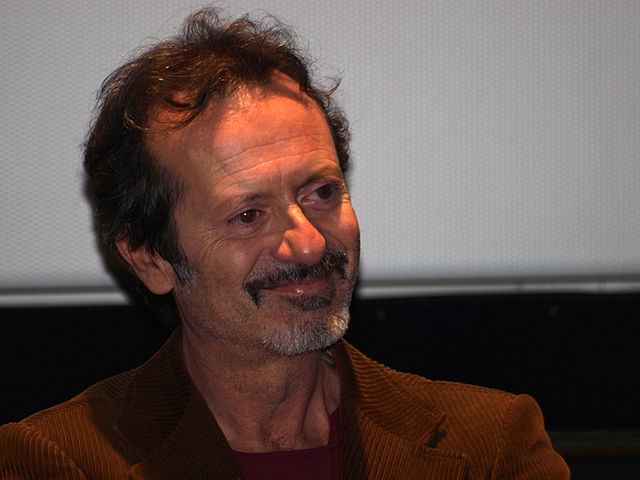
Rocco Papaleo is a name that resonates with fans of Italian cinema and television, especially those who appreciate the rich tradition of Italian comedy. Born Antonio Rocco Papaleo on August 16, 1958, in Lauria, a small town in the Basilicata region of southern Italy, Papaleo has carved out a distinguished career as an actor, comedian, director, and singer. His journey from the quiet streets of Lauria to the bright lights of Italy’s entertainment industry is a testament to his talent, perseverance, and deep connection to his roots. This article delves into the life, career, and impact of Rocco Papaleo, exploring the nuances of his work and the highlights of his life.
Early Life and Background
Rocco Papaleo was born and raised in Lauria, a town nestled in the hills of Basilicata. Growing up in a region known for its rich cultural heritage and strong traditions, Papaleo’s early life was steeped in the values and customs of southern Italy. From a young age, he was captivated by the world of entertainment, particularly the art of storytelling and the expressive power of performance. This passion would eventually lead him to pursue a career in the performing arts.
Papaleo’s early education was typical of many young Italians of his generation. He attended local schools in Lauria and completed his secondary education at a high school in his hometown. However, Papaleo quickly realized that to achieve his dreams, he would need to venture beyond the confines of Lauria. After finishing high school, he moved to Rome, the epicenter of Italy’s film and television industry, with hopes of making a name for himself in the entertainment world.
The Early Years: From Cabaret to Television
In Rome, Papaleo initially dabbled in various fields before finding his footing in the world of entertainment. His first significant foray into the industry came as a cabaret performer, where he honed his comedic skills and developed the persona of the “naïve southerner”—a character that would become a hallmark of his early career. This persona resonated with audiences in Rome, particularly those who, like Papaleo, had migrated from southern Italy in search of better opportunities.
Papaleo’s break into television came in 1989 when he was cast in the popular Italian TV series Classe di ferro (Class of Iron). The show, which focused on the lives of young military conscripts, was a hit with audiences and made Papaleo a household name. His portrayal of Rocco Melloni, a lovable and bumbling character, endeared him to viewers and showcased his talent for blending humor with pathos. Notably, Papaleo also contributed to the show’s scriptwriting, demonstrating his versatility and creative range.
Film Career: A Comedic Icon Emerges
While Rocco Papaleo had made a name for himself on television, it was his work in film that truly cemented his status as a comedic icon. In 1995, Papaleo’s career took a significant leap forward when he was cast in I Laureati (The Graduates), the directorial debut of Leonardo Pieraccioni. The film, which also starred Massimo Ceccherini, Gianmarco Tognazzi, and Maria Grazia Cucinotta, was a commercial success and is credited with launching the careers of several of its stars, including Papaleo.
In I Laureati, Papaleo played the role of a night watchman obsessed with sex—a character that highlighted his ability to balance humor with a deeper, more nuanced portrayal of the human condition. The film’s success opened doors for Papaleo, leading to roles in other popular Italian comedies, such as Il Barbiere di Rio (The Barber of Rio) in 1996 and Viola bacia tutti (Viola Kisses Everybody) in 1998, both directed by Giovanni Veronesi.
Papaleo’s collaboration with Pieraccioni continued with films like Il Paradiso all’improvviso (Suddenly Paradise) in 2003 and Ti amo in tutte le lingue del mondo (I Love You in Every Language in the World) in 2005. These films further established Papaleo as one of Italy’s most beloved comedic actors, known for his ability to bring warmth and humanity to even the most outlandish characters.
Branching Out: Director, Singer, and Cultural Ambassador
Rocco Papaleo is not just an actor; he is a multifaceted artist with a passion for storytelling in all its forms. In 2010, he made his directorial debut with Basilicata Coast to Coast, a film that paid homage to his roots in southern Italy. The movie, which Papaleo also starred in, follows a group of friends who embark on a journey across the Basilicata region to participate in a music festival. Basilicata Coast to Coast was a critical and commercial success, earning Papaleo the prestigious David di Donatello award for Best New Director.
The film was more than just a cinematic achievement; it was a cultural celebration of Basilicata, a region often overshadowed by Italy’s more famous locales. Through Basilicata Coast to Coast, Papaleo showcased the beauty, traditions, and spirit of his homeland, bringing it to the attention of a broader audience. The movie’s success also solidified Papaleo’s reputation as a talented director with a unique voice.
In addition to his work in film and television, Papaleo is also an accomplished singer. He has a distinctive voice and has released several albums that blend his love for music with his comedic sensibilities. His music often reflects the same themes found in his films—nostalgia, humor, and a deep connection to his cultural heritage.
Television and Continued Success
Rocco Papaleo’s career has been marked by a series of successful projects, both on television and in film. After his initial success with Classe di ferro, he continued to appear in popular TV series throughout the 1990s and 2000s. In 2000, he starred in Giornalisti (Journalists), a series directed by Donatella Maiorca and Giulio Manfredonia, which further showcased his range as an actor.
In 2008, Papaleo appeared in Tigri di carta (Paper Tigers), a TV series that, while less commercially successful, allowed him to explore more dramatic roles. However, it was his return to comedy in films like Cado dalle nubi (Falling from the Clouds) in 2009 and Che bella giornata (What a Beautiful Day) in 2011—both starring the popular comedian Checco Zalone—that brought him back into the limelight. In Che bella giornata, Papaleo played the father of the protagonist, a “tarantino DOC” (a true native of Taranto), whose interactions with Islamic fundamentalists during a family celebration provide some of the film’s most memorable and humorous moments.
Awards and Recognition
Throughout his career, Rocco Papaleo has received numerous accolades for his work in film and television. In 2003, he was nominated for a Nastro d’Argento (Silver Ribbon) for Best Supporting Actor for his role in Il pranzo della domenica (The Sunday Lunch), directed by Carlo Vanzina. This nomination was a recognition of his ability to elevate a supporting role into a memorable performance, a testament to his skill as an actor.
Papaleo’s most significant achievement came in 2010 with the release of Basilicata Coast to Coast. The film’s success earned him the David di Donatello award for Best New Director, a prestigious honor that recognized his transition from actor to filmmaker. This award marked a high point in Papaleo’s career, celebrating his contributions to Italian cinema and his unique ability to capture the essence of southern Italy on screen.
Personal Life and Legacy
Rocco Papaleo’s personal life, much like his professional career, is deeply rooted in his love for his homeland and his commitment to his craft. Despite his success in the entertainment industry, Papaleo has remained connected to his origins in Basilicata, often returning to Lauria and using his platform to promote the region’s culture and heritage.
Papaleo’s legacy is one of versatility, creativity, and a deep connection to his roots. He has successfully navigated the worlds of film, television, and music, bringing his unique brand of humor and humanity to each of his projects. His work has not only entertained audiences but also brought attention to the often-overlooked beauty and culture of southern Italy.
Conclusion
Rocco Papaleo’s journey from the small town of Lauria to the heights of Italian cinema is a story of talent, perseverance, and a deep love for his cultural heritage. As an actor, director, and singer, Papaleo has left an indelible mark on the Italian entertainment industry, creating works that resonate with audiences both in Italy and beyond. His ability to blend humor with deeper, more reflective themes has made him a beloved figure in Italian cinema, and his contributions continue to influence and inspire. As he continues to create, Rocco Papaleo’s legacy as a cultural ambassador for Basilicata and a master of Italian comedy will undoubtedly endure.


