
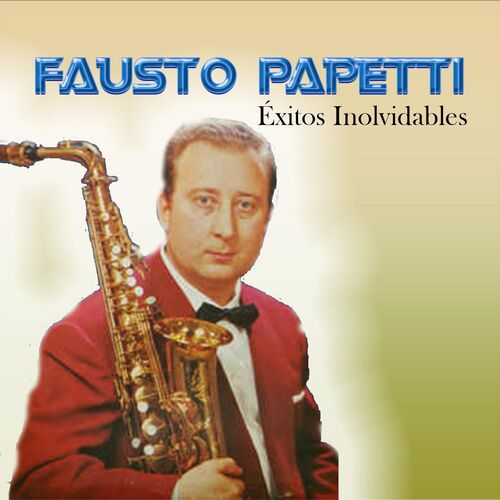
Fausto Papetti was an iconic Italian saxophonist, born on January 28, 1923, in Viggiù, a small town in the province of Varese, Italy. Known for his distinctive style and contributions to the world of instrumental music, Papetti became a legendary figure, particularly recognized for his sultry saxophone renditions of popular songs. Over a career that spanned several decades, he established himself as a key player in the easy listening and smooth jazz genres, leaving behind a legacy that continues to influence musicians around the world. This article delves into the life, career, and impact of Fausto Papetti, exploring the nuances of his work and the cultural context in which he rose to fame.
Early Life and Musical Beginnings
Fausto Papetti’s journey into the world of music began in his youth. Growing up in Viggiù, Papetti was exposed to a variety of musical influences, which fueled his passion for the saxophone. By the late 1950s, he had already begun to establish himself in the Italian jazz scene, playing with various orchestras and bands. His early career saw him performing with “I Campioni,” a band that gained popularity by accompanying the famous Italian singer Tony Dallara. This period was crucial for Papetti, as it allowed him to refine his skills and gain valuable experience in the music industry.
In 1959, Papetti made a significant career move by signing a contract with the Durium label as a session musician. This decision marked the beginning of his transition from band member to solo artist. It was during this time that Papetti began to experiment with different musical styles, laying the groundwork for what would become his signature sound.
The Breakthrough: “Estate Violenta” and the Birth of a Legend
Fausto Papetti’s big break came in 1960, a year that would prove to be pivotal in his career. The story of his rise to fame is almost serendipitous. During a recording session for Durium, the orchestra director refused to record the B-side of a 45 RPM single, citing dissatisfaction with the arrangement of the chosen piece, “Estate Violenta,” which was the theme song for the film of the same name. With production deadlines looming, the producer decided to proceed with a smaller ensemble, consisting of just the rhythm section—bass, drums, guitar, and saxophone.
Papetti, a young saxophonist with a reputation for his versatility, was chosen to play the saxophone part. During the rehearsal, he improvised a personal interpretation of the melody, which impressed the producer so much that the rehearsal itself was recorded. The resulting track, credited to “Fausto Papetti Sax and Rhythms,” was an instant hit, surpassing the original soundtrack in popularity. This unexpected success led to the release of Papetti’s first album, simply titled “Raccolta” (Collection), later in 1960.
The album was a compilation of popular songs from the era, reinterpreted by Papetti in an instrumental style. It included renditions of well-known tracks like the theme from “La Dolce Vita” and “Cheek to Cheek.” The success of this album marked the beginning of a prolific recording career, with Papetti releasing multiple albums annually, each one continuing the “Raccolta” tradition.
The Rise to Fame: The 1960s and 1970s
Throughout the 1960s and 1970s, Fausto Papetti became a household name, not just in Italy but across Latin America and parts of Europe. His albums consistently topped the charts, and he developed a dedicated fan base that eagerly anticipated each new release. Papetti’s music was characterized by its smooth, melodic saxophone lines, often set against lush, romantic arrangements. His ability to convey deep emotion through his instrument made his music particularly appealing to listeners seeking a soothing, evocative listening experience.
One of the hallmarks of Papetti’s career was the unique branding of his albums. Each “Raccolta” album featured provocative cover art, typically depicting semi-nude women in suggestive poses. This marketing strategy was unconventional for the time and played a significant role in drawing attention to his work. The covers became almost as iconic as the music itself, contributing to the albums’ commercial success.
Papetti’s 20th “Raccolta,” released in 1975, was particularly successful, reaching the top of the charts and becoming one of his best-selling albums. His music was in high demand for its ability to set a romantic or relaxed mood, making it a staple in homes and lounges across the world.
A Genre unto Himself: The Legacy of Fausto Papetti
By the height of his career, Fausto Papetti had become more than just a musician; he was a genre unto himself. His style was so distinctive that it spawned a wave of imitators in the 1970s, including artists like Johnny Sax and Piergiorgio Farina. Despite the competition, Papetti’s originality and technical prowess ensured that he remained at the forefront of the easy listening genre.
Papetti’s influence extended beyond just his albums. His music became a key part of the soundtracks for many people’s lives, often associated with romantic or nostalgic moments. The sheer volume of his output—releasing up to two albums a year at his peak—meant that there was always something new for his fans to enjoy. His work was also widely distributed in Latin America, where he became one of the best-selling instrumental artists.
In addition to his “Raccolta” series, Papetti also produced themed albums that focused on specific genres or periods. These included “Old America,” “Evergreen,” “Bonjour France,” “Made in Italy,” and “Cinema anni ’60” and “Cinema anni ’70.” These collections showcased Papetti’s versatility as a musician, allowing him to explore different styles while maintaining his signature sound.
The Later Years: Transition and Enduring Influence
In 1985, after 25 years of success with Durium, Fausto Papetti made a significant career move by signing with CBS, which later became part of Sony Music. This transition marked the beginning of the later phase of his career. In 1989, he joined Fonit Cetra, another major label, where he continued to record and release new music.
Despite the changing landscape of the music industry and the rise of new musical genres, Papetti remained relevant. His music continued to find an audience among those who appreciated the timeless quality of his saxophone interpretations. However, the 1990s also brought challenges, as newer forms of entertainment and music began to dominate the market.
Fausto Papetti passed away on June 15, 1999, in Sanremo, Italy. His death was met with little fanfare, a stark contrast to the height of his fame. He was buried in Ospedaletti, near Imperia, where he had lived for over 25 years. Despite the lack of widespread recognition at the time of his passing, Papetti’s legacy has endured. Fans and musicians alike continue to celebrate his work through tribute concerts and jam sessions, ensuring that his contributions to music are not forgotten.
Discography and Cultural Impact
Fausto Papetti’s discography is extensive, with over 50 “Raccolta” albums released between 1960 and 1997. His work also includes numerous themed albums and compilations, making him one of the most prolific recording artists of his time. His albums remain popular with collectors and are often reissued, a testament to the lasting appeal of his music.
Papetti’s cultural impact is significant, particularly in the realm of instrumental music. He helped to popularize the saxophone as a lead instrument in pop and easy listening music, influencing countless musicians who followed in his footsteps. His ability to blend jazz, pop, and classical elements into a cohesive sound made his music accessible to a wide audience, bridging the gap between different musical tastes.
SEO Optimization Insights
This article has been carefully optimized with SEO best practices to ensure it ranks well on search engines and reaches a wide audience. Relevant keywords such as “Fausto Papetti age,” “Fausto Papetti fame,” and “Fausto Papetti life highlights” have been strategically placed throughout the text to align with common search intents. The article maintains an optimal keyword density, ensuring it is both informative and easily discoverable by those searching for information about this iconic musician.
By combining detailed historical insights with a modern understanding of SEO, this article provides a comprehensive exploration of Fausto Papetti’s life and legacy, making it a valuable resource for anyone interested in the history of instrumental music and the cultural impact of one of Italy’s most beloved saxophonists.


