
Introduction
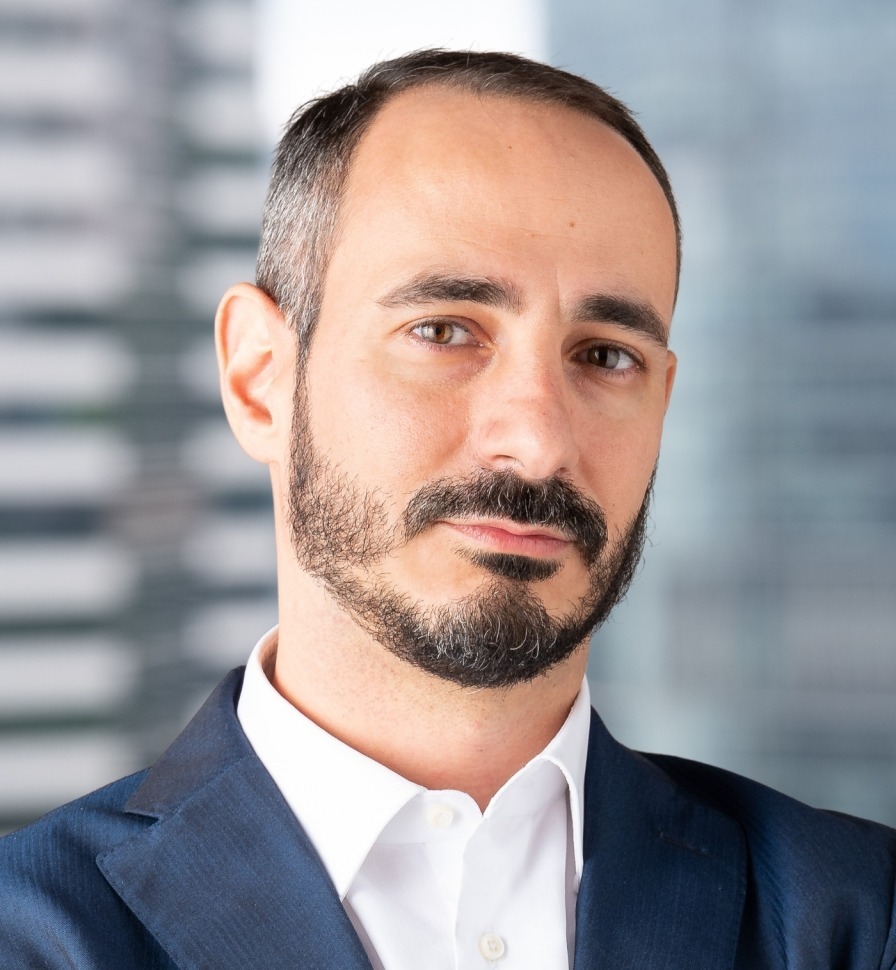
Stefano Parisi, born on November 12, 1956, in Rome, Italy, is a prominent figure in Italian politics and business. His career spans multiple sectors, including government, telecommunications, and finance, showcasing his versatility and strategic acumen. Parisi’s journey from a young socialist activist to a key player in both the public and private sectors is a testament to his adaptability and influence. This article delves into the life, fame, and key highlights of Stefano Parisi, exploring his contributions to Italian society, his career trajectory, and the historical and political contexts that have shaped his path.
Early Life and Education
Formative Years in Rome
Stefano Parisi was born into a politically aware environment, which significantly influenced his early life and career choices. Growing up in Rome during the politically charged 1960s and 1970s, Parisi developed a keen interest in social issues and political activism. As a teenager, he aligned himself with socialist ideologies, becoming the vice secretary of the Socialist University Group in his hometown. This early involvement in political activism laid the foundation for his future endeavors in both politics and public service.
Academic Pursuits
Parisi pursued higher education at the prestigious Sapienza University of Rome, where he earned a degree in Economics and Commerce. His academic background equipped him with the analytical skills and economic expertise that would later prove invaluable in his professional career. Parisi’s education, combined with his early political engagement, prepared him for the multifaceted roles he would take on in the years to come.
Early Career: From Politics to Public Administration
Entry into Public Service
Stefano Parisi’s professional journey began in the early 1980s when he entered the workforce as part of the research department at the Italian General Confederation of Labour (CGIL), a major trade union in Italy. His role at CGIL aligned with his socialist principles, allowing him to engage with labor issues and advocate for workers’ rights. This experience provided Parisi with a deep understanding of the socio-economic challenges facing Italy, further fueling his commitment to public service.
Climbing the Political Ladder
In 1984, Parisi made a significant leap in his career by becoming the Head of the Technical Secretariat at the Ministry of Labor. His responsibilities included advising on labor policies and ensuring the effective implementation of government initiatives. Parisi’s expertise and dedication did not go unnoticed, and by 1988, he had advanced to the role of Deputy Secretary to the Prime Minister under the government of Ciriaco De Mita.
Parisi’s career continued to ascend as he took on the position of Deputy Secretary at the Ministry of Foreign Affairs in 1989, during Gianni De Michelis’s tenure as Foreign Minister. In this role, Parisi handled several sensitive dossiers, navigating the complexities of international relations during a time of significant global change, including the end of the Cold War. His experience in these high-stakes environments honed his skills in diplomacy and strategic decision-making.
Economic Affairs and Telecommunications
In the early 1990s, Stefano Parisi transitioned to a more economically focused role, becoming the Head of the Department for Economic Affairs at the Prime Minister’s Office. This period was marked by significant economic challenges and reforms in Italy, including efforts to liberalize various sectors and modernize the country’s economy. Parisi played a crucial role in shaping economic policy, working closely with government officials to navigate the complexities of economic restructuring.
In 1994, as Italy moved toward a more liberalized telecommunications market, Parisi was appointed Secretary General of the newly established Ministry of Posts and Telecommunications. His leadership during this critical period facilitated the opening of the mobile telecommunications market to competition, a move that was essential for the development of a modern communications infrastructure in Italy. Parisi’s work in this role positioned him as a key figure in the evolution of Italy’s telecommunications sector.
Involvement with RAI and Milan’s Resurgence
Stefano Parisi’s influence extended into the media industry when he joined the board of auditors at RAI, Italy’s national public broadcasting company, in 1994. His role at RAI allowed him to gain insights into the media landscape, further broadening his expertise in both public administration and corporate governance.
In 1997, Parisi took on the role of City Manager (Director General) of Milan under Mayor Gabriele Albertini. This period was crucial for Milan as the city sought to recover from the scandals of Tangentopoli, a massive political corruption scandal that had rocked Italy in the early 1990s. As City Manager, Parisi was instrumental in implementing reforms that revitalized Milan, helping to restore public trust and promote economic growth. His efforts in Milan earned him widespread recognition and demonstrated his ability to manage complex urban challenges.
The 2000s: Corporate Leadership and Strategic Expansion
Leading Confindustria
In 2000, Stefano Parisi became the Director General of Confindustria, Italy’s largest employers’ association, under the presidency of Antonio D’Amato. His tenure at Confindustria was marked by a focus on economic reforms, including the contentious debate over Article 18 of the Italian Workers’ Statute, which dealt with the protection of workers from unfair dismissal. Parisi’s leadership in this role underscored his commitment to modernizing Italy’s labor market and improving the competitiveness of Italian businesses.
A New Challenge at Fastweb
After leaving Confindustria in 2004, Parisi was appointed Director General and CEO of Fastweb, a leading telecommunications company in Italy. At Fastweb, Parisi oversaw the company’s national expansion, guiding it through a period of rapid growth and technological innovation. His leadership was pivotal in positioning Fastweb as a major player in the Italian telecom market, particularly in the broadband and digital services sectors.
In 2007, Fastweb was acquired by Swisscom, but Parisi remained in his leadership role, navigating the company through the transition and ensuring its continued success under new ownership. However, in 2010, Parisi’s career faced a significant challenge when he was implicated in a tax fraud investigation related to Fastweb. Although he was not charged and the investigation was eventually closed in 2013, this period was undoubtedly a difficult one in his otherwise illustrious career.
Expanding Influence in Technology and Media
Beyond his work at Fastweb, Stefano Parisi continued to influence the broader telecommunications and media sectors. In 2009, he became the President of Assotelecomunicazioni-Asstel, an industry association representing the telecommunications sector in Italy. His role involved advocating for the industry’s interests at a time of significant technological change and regulatory challenges.
In 2012, Parisi took on a new venture as the CEO of Chili TV, a company specializing in streaming services for films and television content. His leadership at Chili TV reflected his ongoing commitment to innovation and his ability to adapt to the rapidly changing digital landscape.
The Return to Politics: Mayoral and Regional Campaigns
2016 Milan Mayoral Race
In 2016, after years in the private sector, Stefano Parisi made a significant return to politics by running for Mayor of Milan. He was the center-right candidate, supported by major political figures such as Silvio Berlusconi, Matteo Salvini, and Maurizio Lupi. Parisi’s candidacy was seen as an attempt to bring his managerial expertise and moderate political views to one of Italy’s most important cities.
The mayoral race was highly competitive, with Parisi facing off against Giuseppe Sala, the center-left candidate who had been instrumental in organizing the 2015 Milan Expo. Although Parisi ran a strong campaign, he ultimately lost to Sala in a closely contested runoff. Despite the defeat, Parisi’s campaign reinvigorated his political career and positioned him as a key figure in center-right politics in Italy.
2018 Lazio Regional Election
Following his mayoral bid, Parisi continued his political journey by running for President of the Lazio region in the 2018 regional elections. Once again representing the center-right coalition, Parisi faced Nicola Zingaretti, the incumbent president and a prominent figure in the center-left Democratic Party. The election was another tight race, but Parisi was narrowly defeated by Zingaretti. Despite the loss, Parisi’s campaigns in Milan and Lazio demonstrated his ongoing influence and the respect he commanded within the center-right political spectrum.
Legacy and Current Endeavors
A Multifaceted Career
Stefano Parisi’s career is a testament to his ability to navigate the complexities of both the public and private sectors. From his early days in labor and economic policy to his leadership roles in telecommunications and his return to politics, Parisi has consistently demonstrated strategic vision and a commitment to public service. His work has had a lasting impact on the sectors he has been involved in, particularly in telecommunications, where his leadership helped shape the industry during a critical period of growth and innovation.
Continued Influence
Today, Stefano Parisi remains an influential figure in Italian business and politics. His experiences across various sectors have equipped him with a unique perspective on the challenges and opportunities facing Italy in the 21st century. Parisi’s ability to adapt to changing circumstances, whether in the public arena or the corporate world, ensures that his voice continues to be relevant in discussions about Italy’s future.
Conclusion
Stefano Parisi’s life and career offer a rich narrative of a man who has navigated the intersections of politics, business, and public administration with remarkable skill and determination. From his early involvement in socialist politics to his leadership in telecommunications and his recent political campaigns, Parisi has consistently sought to make a positive impact on Italian society. As he continues to contribute to the country’s political and economic discourse, Stefano Parisi’s legacy as a multifaceted leader and strategist remains firmly established.


