
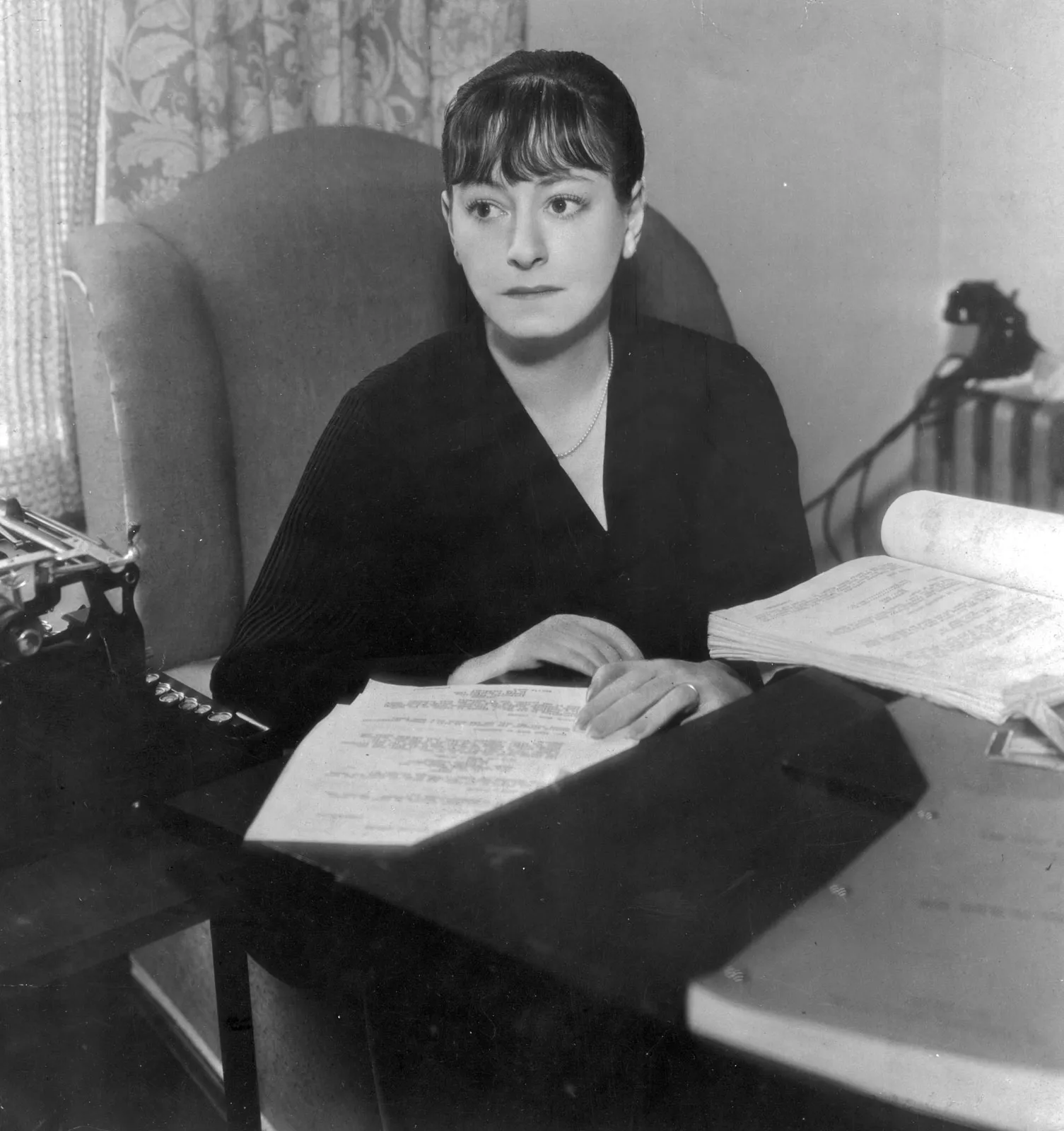
Dorothy Parker, an iconic figure in American literature, was born as Dorothy Rothschild on August 22, 1893, in Long Branch, New Jersey. Her life, characterized by both brilliance and turmoil, has left an indelible mark on the literary world. Known for her razor-sharp wit, cutting sarcasm, and profound melancholy, Parker’s life and works continue to captivate audiences even decades after her death. This article delves into the life of Dorothy Parker, exploring her age, fame, and the highlights that shaped her career.
Early Life and Background
Dorothy Parker was born into a wealthy family, but her early life was marred by tragedy. She lost her mother at a young age, an event that profoundly impacted her. Raised primarily by her father and stepmother, Parker’s upbringing was conventional for someone of her social standing. However, it was also during these early years that she began to develop the sharp wit and dark humor that would later become her trademarks.
Parker’s education was comprehensive, and she showed an early talent for writing. By the time she was a teenager, she was already penning poetry, displaying a style that was both bold and unique. Her early experiences with loss and the constraints of societal expectations deeply influenced her literary voice, which often conveyed a sense of disillusionment and a critique of the status quo.
Rise to Fame
Parker’s ascent to fame began in 1917 when she was hired as a columnist for “Vanity Fair,” a prestigious magazine that was a platform for the era’s leading intellectuals and artists. Her work quickly garnered attention for its biting humor and incisive critiques. In a world where women’s voices were often relegated to the margins, Parker’s unapologetic and sharp style stood out. Her reviews were not just critiques of plays or books but also of the social norms and expectations of the time.
Her association with the “Algonquin Round Table,” a group of New York City writers, critics, and actors who met for lunch every day at the Algonquin Hotel, further solidified her place in the literary world. This group, known for their witty banter and intellectual exchange, included figures such as Robert Benchley, George S. Kaufman, and Alexander Woollcott. Parker quickly became one of the most prominent members of the group, earning her reputation as the “wittiest woman in America.”
Literary Success and Personal Struggles
In 1929, Dorothy Parker won the O. Henry Prize for her short story “Big Blonde,” a work that exemplified her ability to blend humor with a deep sense of despair. This story, like much of her work, drew from her own experiences and reflected the complexities of her life as a woman in a male-dominated society. The success of “Big Blonde” brought her international acclaim and solidified her place as a major literary figure.
Despite her success, Parker’s personal life was fraught with difficulties. Her first marriage to Edwin Pond Parker II ended in divorce, partly due to his struggles with alcoholism and the toll it took on their relationship. Parker herself battled with depression and alcoholism throughout her life. Her relationships were often turbulent, and she experienced several failed romances, including a passionate but ultimately destructive affair with playwright Charles MacArthur, which led to an abortion and deepened her sense of bitterness.
Her struggles with mental health were a recurring theme in her work, most notably in her famous poem “Resume,” which starkly outlines various methods of suicide before concluding with the line, “You might as well live.” This dark humor, a blend of resignation and defiance, became a hallmark of her writing and resonated with many who saw in her work a reflection of their own struggles.
Hollywood Years
In the mid-1930s, Parker moved to Hollywood, where she began a successful career as a screenwriter. Together with her second husband, Alan Campbell, she co-wrote several screenplays, including the original 1937 version of “A Star is Born,” which earned an Academy Award nomination. However, her time in Hollywood was also marked by disillusionment and conflict. Her outspoken political views, particularly her support for leftist causes and her opposition to fascism, led to her being blacklisted during the McCarthy era.
Parker’s political activism was not limited to her writings. She was deeply involved in social causes, including the defense of Sacco and Vanzetti, two Italian-American anarchists who were controversially convicted of murder and executed in 1927. She also traveled to Spain during the Spanish Civil War to support the Republican cause, an experience that further fueled her disillusionment with American society and the Hollywood establishment.
Later Life and Legacy
As the years went on, Parker’s health and financial situation deteriorated. The death of her close friend Robert Benchley in 1945 dealt a severe blow to her, and her relationship with Campbell became increasingly strained. They divorced in 1947, remarried in 1950, and ultimately separated again before Campbell’s death in 1963. Parker’s final years were spent in relative obscurity, living in a modest hotel room in New York City, struggling with alcoholism, and largely forgotten by the literary world.
Dorothy Parker died on June 7, 1967, at the age of 74. Despite her personal struggles and the decline of her later years, Parker left behind a rich literary legacy that continues to be celebrated today. Her work, characterized by its sharp wit, deep insight, and unflinching honesty, remains influential, particularly in its portrayal of the complexities of modern life and the female experience.
Parker’s final act of wit was her will, in which she left her literary estate to Martin Luther King Jr., whom she greatly admired. After King’s assassination, her estate was passed on to the NAACP, a gesture that reflects her lifelong commitment to social justice.
Historical Context and Impact
Dorothy Parker’s life and work must be understood within the broader context of early 20th-century America, a time of great social change and upheaval. The world in which she wrote was one where women were beginning to challenge traditional roles and expectations, and Parker was at the forefront of this movement. Her writing, often critical of the hypocrisy and superficiality of society, resonated with many who felt similarly disillusioned.
The Algonquin Round Table, with which Parker was so closely associated, represented a new kind of intellectualism that was both accessible and cutting. This group helped to shape public discourse in America during the 1920s and 1930s, and Parker’s contributions were central to its influence.
Parker’s work also reflected the changing attitudes toward women and their place in society. Her characters often grappled with issues of love, independence, and identity, themes that were increasingly relevant as more women entered the workforce and sought greater autonomy.
Conclusion
Dorothy Parker was a writer of exceptional talent, whose work continues to resonate with readers today. Her ability to blend humor with a deep understanding of the human condition made her one of the most significant literary figures of her time. Despite the personal struggles that marked her life, Parker’s legacy endures, not only in her own writings but also in the influence she has had on subsequent generations of writers.
Her life was a testament to the power of wit and intellect in confronting the challenges of life, and her work remains a powerful reminder of the complexities and contradictions that define the human experience. As we reflect on Dorothy Parker’s life and career, we are reminded of the enduring relevance of her insights and the timeless quality of her prose.


