
Introduction
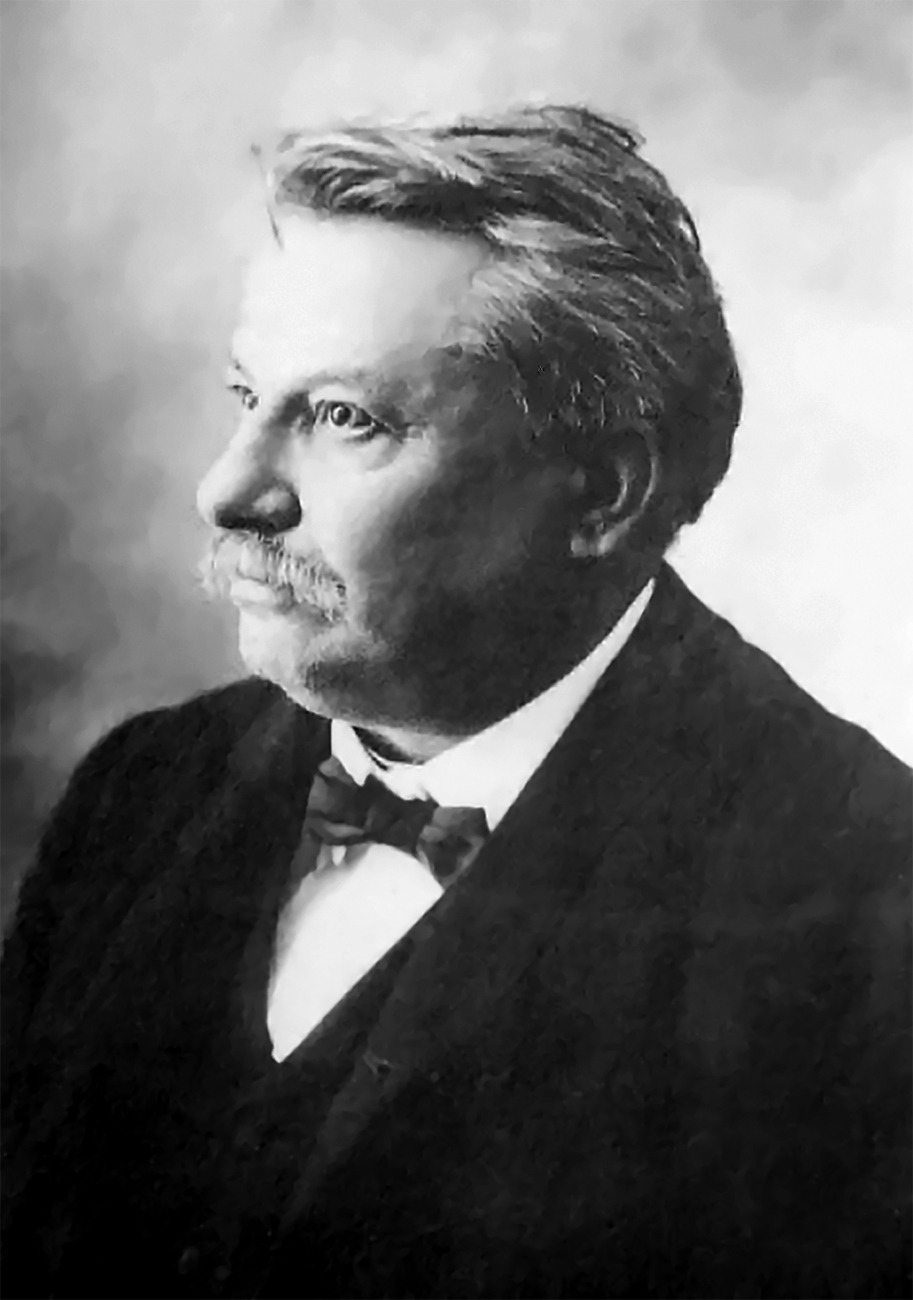
Giovanni Pascoli, born Giovanni Placido Agostino Pascoli on December 31, 1855, in San Mauro di Romagna, Italy, is one of the most celebrated poets in Italian literature. His work is renowned for its delicate sensitivity, deep emotional resonance, and its exploration of themes such as loss, childhood, and the natural world. Pascoli’s poetry captures the essence of human experience, blending personal grief with broader social and philosophical reflections. This article delves into the life, fame, and literary contributions of Giovanni Pascoli, offering detailed insights into the man behind the verses and exploring the historical and cultural context that shaped his work.
Early Life and Tragic Losses
Giovanni Pascoli’s early life was marked by a series of tragic events that would profoundly influence his worldview and his poetry. He was born into a well-off family in San Mauro di Romagna, where his father managed a large agricultural estate. However, this relatively comfortable existence was shattered when Pascoli was just twelve years old. On August 10, 1867, his father, Ruggero Pascoli, was murdered by an unknown assailant while returning home from the market. This unsolved crime plunged the family into financial hardship and emotional turmoil.
In the years following his father’s death, Pascoli experienced further losses that compounded his grief. His mother, Caterina Vincenzi, passed away in 1868, followed by the deaths of two of his siblings, Margherita and Luigi, within a few years. These traumatic events left a lasting impression on Pascoli, deeply affecting his psyche and shaping his poetic voice. The sense of loss and mourning that pervades much of his work can be traced back to these early experiences.
Education and Early Influences
Despite the personal tragedies that marked his childhood, Giovanni Pascoli pursued his education with determination. He attended high school in Urbino, where he developed a passion for classical literature, particularly Latin and Greek. Pascoli’s love for the classics would later manifest in his own poetry, where he often employed classical forms and themes.
Pascoli continued his studies at the University of Bologna, where he enrolled in the Faculty of Letters. During his time in Bologna, Pascoli was influenced by the socialist ideas that were gaining popularity in Europe at the time. He became involved in political activism, participating in protests and demonstrations. In 1879, his involvement in socialist activities led to his arrest and brief imprisonment. Although he later distanced himself from active politics, the ideals of social justice and empathy for the oppressed remained central to his work.
Pascoli graduated in 1882 with a degree in Letters, and soon after, he began his career as a teacher. His early teaching posts took him to various towns across Italy, including Matera, Massa, and Livorno, where he taught Greek and Latin. Despite the demands of his teaching career, Pascoli continued to write poetry, drawing on his personal experiences and the classical education that had so profoundly shaped his intellectual development.
Literary Career and Fame
Giovanni Pascoli’s literary career began to take shape in the late 19th century, as he started to publish his poetry in various literary journals. His first major collection, Myricae, was published in 1891. The title, derived from a line in Virgil’s Eclogues, reflects Pascoli’s connection to the classical tradition, but the content of the collection was distinctly modern in its focus on the simple, often overlooked aspects of life.
Myricae was groundbreaking in its use of language and imagery. Pascoli’s poetry in this collection is characterized by its brevity and its focus on the natural world, with poems that evoke the sights, sounds, and emotions of everyday life. The collection was well-received, and it established Pascoli as a leading figure in Italian poetry. His ability to capture complex emotions with simple, yet evocative language resonated with readers and critics alike.
Following the success of Myricae, Pascoli published several other important works, including Poemetti (1897) and Canti di Castelvecchio (1903). The latter collection, dedicated to his mother, further explored themes of loss, memory, and the passage of time. Canti di Castelvecchio is often regarded as one of Pascoli’s most significant works, showcasing his mastery of poetic form and his ability to infuse his verses with deep personal meaning.
Pascoli’s fame grew as he continued to publish and teach. In 1905, he succeeded Giosuè Carducci, another towering figure in Italian literature, as the chair of Italian Literature at the University of Bologna. This prestigious position solidified Pascoli’s status as one of Italy’s foremost intellectuals and poets.
Themes and Style in Pascoli’s Poetry
Giovanni Pascoli’s poetry is distinguished by its exploration of deeply personal and universal themes, rendered in a style that is both accessible and richly layered. Central to Pascoli’s work is the theme of il fanciullino, or “the little child,” which represents a return to a state of innocence and wonder. This concept, which Pascoli articulated in his essay of the same name, reflects his belief that poets, like children, possess the ability to see the world with fresh eyes, untainted by the cynicism and complexities of adult life.
Pascoli’s poetry often reflects a longing for the simplicity and purity of childhood, as well as a deep connection to nature. His verses are filled with vivid imagery that captures the beauty of the natural world, from the rustling of leaves to the chirping of birds. This attention to detail and his ability to evoke sensory experiences are hallmarks of his style.
Another significant theme in Pascoli’s work is the idea of nido, or “nest,” which symbolizes the comfort and safety of home and family. Given the personal tragedies he endured, it is perhaps not surprising that Pascoli often depicted the home as a place of refuge, contrasted with the harsh realities of the outside world. This theme is particularly evident in Canti di Castelvecchio, where the poet’s memories of his childhood home are interwoven with his reflections on loss and nostalgia.
Pascoli’s style is also marked by its formal precision. He was a master of traditional poetic forms, including sonnets, tercets, and quatrains, and his work often adhered to strict metrical patterns. However, despite his adherence to classical forms, Pascoli’s language was innovative and modern, characterized by its use of everyday speech and its focus on ordinary subjects. This blend of tradition and modernity is one of the reasons why Pascoli’s poetry continues to resonate with readers today.
Later Years and Nationalism
In the later years of his life, Giovanni Pascoli’s work took on a more nationalistic tone, reflecting the broader cultural and political currents in Italy at the time. The early 20th century was a period of significant upheaval in Europe, marked by the rise of nationalist movements and the build-up to World War I. Pascoli, like many intellectuals of his time, was influenced by these developments, and his poetry began to reflect a stronger sense of Italian identity and pride.
This shift is evident in works such as Odi ed inni (1907) and Poemi italici (1908-1911), where Pascoli celebrated the history and culture of Italy, drawing on classical and medieval themes to express a sense of national unity and purpose. While these later works are less personal than his earlier collections, they are nonetheless significant for their articulation of a broader, collective identity.
Pascoli’s embrace of nationalism was also reflected in his public speeches and essays, where he often addressed the political and social issues of the day. However, his nationalism was tempered by his deep sense of humanity and his belief in the importance of peace and solidarity. Even as he celebrated Italy’s cultural heritage, Pascoli remained aware of the dangers of unchecked nationalism and the suffering caused by war and conflict.
Decline in Health and Final Years
By 1911, Giovanni Pascoli’s health had begun to decline, and he was forced to reduce his teaching responsibilities. The toll of his lifelong struggles—both personal and professional—began to weigh heavily on him, and his physical condition deteriorated. Despite his declining health, Pascoli continued to write, producing some of his most reflective and introspective work during this period.
Pascoli spent his final years in Bologna, where he continued to teach and write until he was no longer physically able to do so. On April 6, 1912, Giovanni Pascoli passed away, leaving behind a rich legacy of poetry that has continued to influence generations of readers and writers.
Legacy and Influence
Giovanni Pascoli’s impact on Italian literature is profound and enduring. His poetry, with its focus on the inner world of the individual and its deep connection to nature, represented a significant departure from the more formal, rhetorical style that had dominated Italian poetry in the 19th century. Pascoli’s emphasis on personal experience and his use of everyday language helped to pave the way for the modernist movements that would follow in the early 20th century.
Pascoli’s influence extends beyond Italy, with his work being translated into numerous languages and studied by scholars around the world. His exploration of universal themes such as loss, memory, and the passage of time resonates with readers across cultures and continues to inspire new interpretations and adaptations.
In addition to his literary achievements, Pascoli is remembered for his contributions to education and his role as a public intellectual. His tenure as a professor at the University of Bologna, where he succeeded Giosuè Carducci, was marked by his commitment to fostering a deeper understanding of Italian literature and culture among his students.
Conclusion: The Enduring Appeal of Giovanni Pascoli
Giovanni Pascoli’s poetry remains a vital part of the Italian literary canon, celebrated for its emotional depth, formal beauty, and philosophical insight. His ability to blend personal reflection with broader social and cultural themes has ensured that his work continues to be relevant to contemporary readers.
Pascoli’s legacy is one of a poet who, despite the many hardships he faced, was able to find beauty and meaning in the simple, everyday moments of life. His work reminds us of the power of poetry to connect us to our deepest emotions and to the world around us.
As we continue to read and study Pascoli’s poetry, we are reminded of the enduring power of his words and the timeless nature of his themes. His exploration of the human condition, rendered in language that is both simple and profound, ensures that Giovanni Pascoli will remain a central figure in the world of literature for generations to come.


