
Introduction
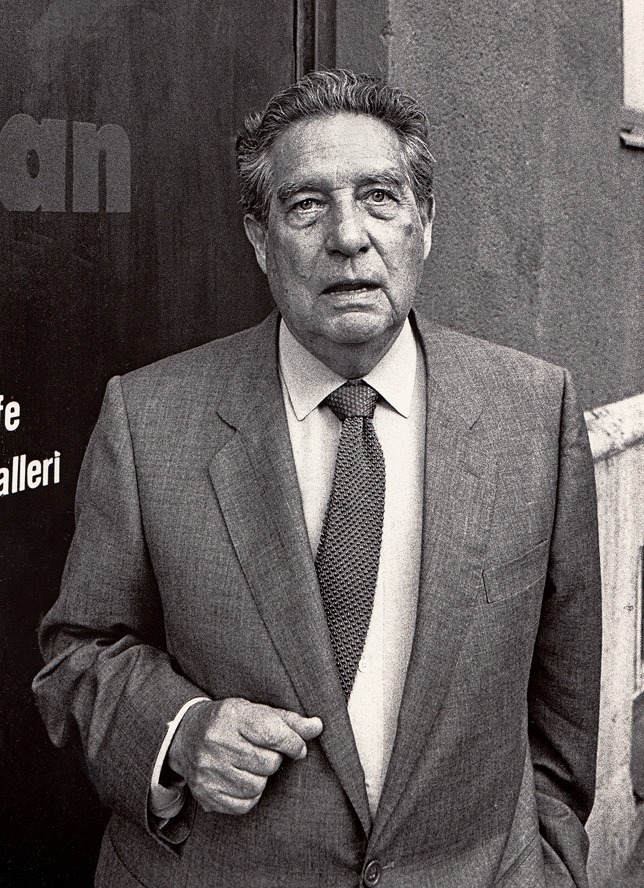
Octavio Paz, born on March 31, 1914, in Mexico City, is one of the most celebrated figures in 20th-century literature. A prolific poet, essayist, and diplomat, Paz’s work transcended the boundaries of language, culture, and genre, earning him a distinguished place in the pantheon of world literature. His influence extends far beyond the Spanish-speaking world, touching upon themes of identity, solitude, and the human condition. This article delves into the life, career, and impact of Octavio Paz, providing an in-depth look at his contributions to literature and his enduring legacy.
Early Life and Education
Octavio Paz was born into a family steeped in intellectual and political activity. His grandfather, Ireneo Paz, was a prominent journalist and novelist, while his father, Octavio Paz Solórzano, was a lawyer and journalist who played an active role in the Mexican Revolution. This rich cultural and political environment undoubtedly shaped Paz’s worldview and inspired his early forays into writing.
Paz began writing at an early age, displaying a talent for poetry that would define his career. He was influenced by the works of modernist poets and the vibrant cultural landscape of Mexico City. His first published work, a collection of poems titled Luna Silvestre, was released in 1933 when Paz was just 19 years old. This early success marked the beginning of a literary journey that would see him become one of the most important voices in Latin American literature.
The Spanish Civil War and Early Activism
In 1937, Octavio Paz participated in the Second International Congress of Anti-Fascist Writers in Valencia, Spain. This event was a significant moment in his life, as it exposed him to the political and social upheavals of the time, particularly the Spanish Civil War. Paz initially supported the Republican cause, aligning himself with the fight against fascism. However, his experiences in Spain and subsequent disillusionment with communism led him to distance himself from rigid political ideologies.
The Spanish Civil War had a profound impact on Paz’s writing, influencing his exploration of themes such as conflict, identity, and the human struggle for freedom. His early works during this period reflect a deep engagement with the political and social issues of the time, while also laying the groundwork for his later philosophical and poetic inquiries.
Return to Mexico and Literary Development
After returning to Mexico in 1938, Octavio Paz founded and edited Taller, a literary magazine that became a platform for a new generation of Mexican writers. The magazine played a crucial role in shaping the literary landscape of Mexico, introducing readers to contemporary literary movements and fostering a sense of community among writers. Through Taller, Paz established himself as a leading figure in Mexican literature, advocating for a modernist approach to poetry and prose.
During this period, Paz’s writing began to evolve, incorporating influences from both Mexican and international literary traditions. His poetry reflected a deep engagement with Mexican identity, history, and culture, while also exploring universal themes of love, death, and existence. His works from this era, such as Entre la piedra y la flor (1941), demonstrate a growing maturity in his poetic voice and a commitment to exploring the complexities of the human experience.
Diplomatic Career and International Influence
In 1945, Octavio Paz joined the Mexican diplomatic service, a career that would take him around the world and deeply influence his writing. His diplomatic postings included stints in the United States, France, Japan, and India, each of which left a lasting imprint on his work. During his time in the United States, Paz immersed himself in the world of Anglo-American modernist poetry, drawing inspiration from figures such as T.S. Eliot and Ezra Pound.
Paz’s time in France was particularly significant, as it brought him into contact with the Surrealist movement. He developed a close relationship with André Breton, the founder of Surrealism, and other prominent surrealist artists and writers. This influence is evident in Paz’s work from this period, which often blends surrealist imagery with existential themes. His poetry became increasingly experimental, incorporating elements of surrealism, symbolism, and modernism.
One of Paz’s most famous works, El laberinto de la soledad (The Labyrinth of Solitude), was published in 1950. This seminal essay explores the nature of Mexican identity, examining the historical, cultural, and psychological forces that have shaped the Mexican character. El laberinto de la soledad is widely regarded as one of the most important works of Mexican literature, offering a profound analysis of the Mexican psyche and its relationship with solitude and existentialism.
Life in India and the Impact of Eastern Philosophy
In 1962, Octavio Paz was appointed as Mexico’s ambassador to India, a position he held until 1968. His time in India had a profound impact on his writing and philosophical outlook. Paz became deeply interested in Eastern philosophy, particularly Buddhism and Hinduism, which influenced his exploration of themes such as time, memory, and the nature of reality.
Paz’s experiences in India are reflected in works such as Ladera Este (Eastern Slope, 1969), a collection of poems that blend Eastern and Western philosophical traditions. His poetry from this period is characterized by a meditative quality, as he delves into the mysteries of existence and the interconnectedness of all things. The influence of Eastern thought is also evident in Paz’s later essays and critical writings, which often explore the intersections between different cultural and philosophical traditions.
Paz’s tenure in India came to an abrupt end in 1968, following the Tlatelolco Massacre in Mexico City, where hundreds of student protesters were killed by government forces. In protest of the Mexican government’s actions, Paz resigned from his post as ambassador, a decision that underscored his commitment to justice and human rights. This event marked a turning point in Paz’s life, as he increasingly focused on writing and intellectual pursuits, distancing himself from direct political involvement.
Later Life and Literary Achievements
After leaving the diplomatic service, Octavio Paz dedicated himself fully to writing, editing, and teaching. In 1971, he founded Plural, a cultural and political magazine that became a leading voice in Latin American intellectual circles. Plural provided a platform for writers, artists, and thinkers to engage with the pressing issues of the time, from politics and philosophy to art and literature. However, the magazine was eventually shut down by the Mexican government, leading Paz to establish a new publication, Vuelta, in 1976.
Vuelta continued the work of Plural, becoming one of the most influential cultural magazines in the Spanish-speaking world. Under Paz’s leadership, Vuelta fostered intellectual exchange and debate, publishing works by leading writers and thinkers from across the globe. Paz’s role as editor of Vuelta further solidified his position as a central figure in international literary and cultural circles.
Octavio Paz’s contributions to literature and thought were widely recognized during his lifetime. He received numerous awards and honors, including the prestigious Cervantes Prize in 1981, which is often referred to as the Spanish-language equivalent of the Nobel Prize in Literature. However, it was in 1990 that Paz received the ultimate recognition of his literary achievements when he was awarded the Nobel Prize in Literature. The Nobel Committee praised Paz for his “impassioned writing with wide horizons, characterized by sensuous intelligence and humanistic integrity,” highlighting the global significance of his work.
Legacy and Influence
Octavio Paz’s legacy as a poet, essayist, and thinker is immense. His work has had a profound impact on both Latin American and global literature, influencing generations of writers, poets, and intellectuals. Paz’s ability to bridge cultural and philosophical traditions, his exploration of the human condition, and his commitment to artistic and intellectual freedom have left an indelible mark on the world of letters.
Paz’s exploration of Mexican identity in El laberinto de la soledad remains a foundational text for understanding Mexican culture and history. His insights into the nature of solitude, identity, and existentialism continue to resonate with readers and scholars alike. Paz’s work also opened new avenues for the exploration of cultural hybridity, the intersections of Eastern and Western thought, and the role of the artist in society.
In addition to his literary achievements, Paz’s editorial work with Plural and Vuelta helped shape the intellectual landscape of Latin America, providing a platform for dialogue and debate on the most pressing issues of the time. His influence extends beyond the realm of literature, as his essays and critical writings have contributed to discussions on philosophy, politics, art, and culture.
Paz’s poetry, with its rich imagery, lyrical beauty, and philosophical depth, continues to inspire readers around the world. His ability to capture the complexities of the human experience in verse has earned him a place among the greatest poets of the 20th century. Paz’s work remains a testament to the power of language and art to explore the deepest questions of existence and to connect individuals across cultures and time.
Conclusion
Octavio Paz was a towering figure in the world of literature and thought, whose work transcended national and linguistic boundaries. His exploration of identity, solitude, and the human condition, combined with his deep engagement with both Western and Eastern philosophical traditions, made him one of the most influential writers of the 20th century. Paz’s legacy continues to be felt in the worlds of literature, philosophy, and cultural criticism, as his work remains a source of inspiration and insight for readers and thinkers around the globe.
Paz’s life and work remind us of the importance of intellectual curiosity, artistic integrity, and the pursuit of truth in all its forms. As we continue to engage with his writings, we are reminded of the enduring power of literature to illuminate the human experience and to foster a deeper understanding of ourselves and the world around us.


