
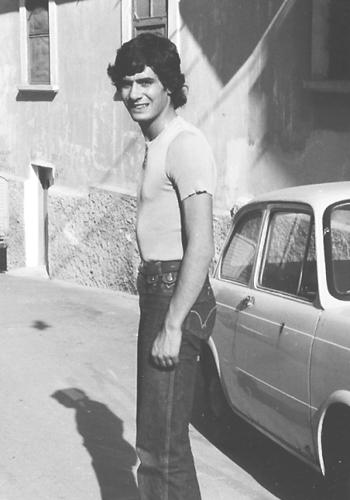
Andrea Pazienza, an iconic figure in the world of Italian comics and graphic storytelling, is often hailed as a genius whose work transcended the conventional boundaries of comic art. Born on May 23, 1956, in San Benedetto del Tronto, Italy, Pazienza’s life, though tragically short, was filled with creativity, innovation, and a deep influence on the cultural landscape of his time. This article will explore his age, rise to fame, and the highlights of his life, offering a comprehensive overview of a man who redefined the art of comics in Italy and beyond.
Early Life and Artistic Beginnings
Andrea Pazienza spent his early years in San Severo, a small town in the Puglia region of southern Italy. From a young age, it was clear that Pazienza possessed an extraordinary talent for drawing. His family and friends quickly recognized his potential, as he demonstrated an exceptional ability to translate his vivid imagination onto paper.
At the age of thirteen, Pazienza moved to Pescara, where he attended the local Art High School (Liceo Artistico). This move marked a significant turning point in his life, as it provided him with the opportunity to immerse himself in the world of art and creativity. His time at the Art High School was also marked by his participation in the “Convergenze” art collective, where he began to refine his unique style and artistic voice.
After completing his high school education, Pazienza enrolled at the DAMS (Discipline delle Arti, della Musica e dello Spettacolo) in Bologna, a renowned university program that combined the study of arts, music, and performing arts. Bologna, during the 1970s, was a hotbed of cultural and political activity, and it was here that Pazienza’s artistic career truly began to take shape.
The Birth of a Comic Book Legend
In the spring of 1977, Andrea Pazienza’s first comic story, Le straordinarie avventure di Penthotal, was published in the magazine “Alter Alter.” This debut marked the beginning of a groundbreaking career in the world of comics. “Penthotal” was a semi-autobiographical character, and the story itself was a reflection of Pazienza’s experiences and thoughts as a young artist navigating the complexities of life in Bologna.
The publication of Penthotal coincided with a period of intense social and political unrest in Italy. The country was grappling with issues of terrorism, economic instability, and a general sense of disillusionment among the youth. Pazienza’s work resonated with a generation that felt alienated by the status quo, and his comics became a voice for those who sought to challenge the norms of society.
In the winter of 1977, Pazienza became involved with the underground comic magazine “Cannibale.” This magazine, which was at the forefront of the Italian underground comic scene, provided Pazienza with a platform to further explore his artistic vision. His work during this period was characterized by its raw energy, dark humor, and biting social commentary.
Founding of “Frigidaire” and the Rise to Fame
Andrea Pazienza’s fame continued to grow as he became one of the founding members of “Frigidaire,” a revolutionary magazine that would go on to become one of the most important publications in the history of Italian comics. Launched in 1980, “Frigidaire” was more than just a comic magazine; it was a cultural phenomenon that combined art, politics, literature, and satire in a way that had never been done before.
Through “Frigidaire,” Pazienza introduced some of his most iconic characters, including Zanardi, a cynical and amoral anti-hero who embodied the disillusionment of Italy’s youth during the 1980s. Zanardi quickly became one of Pazienza’s most famous creations, a character who resonated deeply with readers for his rebellious spirit and dark, often disturbing, adventures.
Pazienza’s work in “Frigidaire” was not limited to Zanardi. He also created other memorable characters and stories, such as Pompeo, a harrowing tale of a young artist’s descent into heroin addiction. Pompeo is often regarded as one of Pazienza’s most personal and emotionally charged works, offering a stark portrayal of the struggles and despair that many young people faced during that era.
Artistic Style and Influence
Andrea Pazienza’s artistic style was as unique as the stories he told. His work was characterized by a fluid and dynamic drawing style, which often defied traditional comic conventions. Pazienza was a master of visual storytelling, using a combination of surreal imagery, dark humor, and sharp social commentary to create comics that were both thought-provoking and visually stunning.
Pazienza’s influence extended beyond the world of comics. He worked on a wide range of projects, including movie posters, theater set designs, fashion illustrations, and animated films. His versatility as an artist was evident in everything he touched, and his work continues to inspire artists and creators across different mediums.
Personal Struggles and Tragic Death
Despite his success, Andrea Pazienza’s life was not without its struggles. Like many artists of his time, Pazienza battled with personal demons, including substance abuse. These struggles were often reflected in his work, particularly in stories like Pompeo, which depicted the harsh realities of addiction.
On June 16, 1988, at the age of just 32, Andrea Pazienza passed away in Montepulciano, Tuscany. His sudden death shocked the art world and left a profound void in the Italian cultural landscape. Pazienza’s passing was a tragic loss for those who knew him personally and for the countless fans who admired his work.
Legacy and Cultural Impact
Andrea Pazienza’s legacy as a pioneer of modern Italian comics is undeniable. His work has had a lasting impact on the world of graphic storytelling, and he is often credited with elevating the medium of comics to a form of high art. Pazienza’s influence can be seen in the work of countless comic artists and illustrators who have drawn inspiration from his unique style and approach to storytelling.
In the years following his death, Pazienza’s work has continued to be celebrated and studied. His comics have been reprinted in numerous editions, and his life and work have been the subject of exhibitions, documentaries, and academic studies. Pazienza’s contribution to the world of comics and visual art remains a vital part of Italy’s cultural heritage.
Conclusion: The Enduring Genius of Andrea Pazienza
Andrea Pazienza’s life and work are a testament to the power of artistic expression. He was a visionary artist who pushed the boundaries of what comics could be, creating works that were both deeply personal and universally resonant. His ability to capture the zeitgeist of his time, while also exploring timeless themes of identity, alienation, and rebellion, has ensured that his work remains relevant to this day.
Pazienza’s untimely death at the age of 32 robbed the world of a brilliant artist in his prime, but his legacy lives on through his art. For those who seek to understand the cultural and social landscape of Italy during the late 20th century, Pazienza’s work offers a window into a world of creativity, innovation, and uncompromising vision.
Today, Andrea Pazienza is remembered not just as a comic book artist, but as a cultural icon who left an indelible mark on the world of art and storytelling. His work continues to inspire new generations of artists and readers, ensuring that his genius will never be forgotten.


