
Introduction
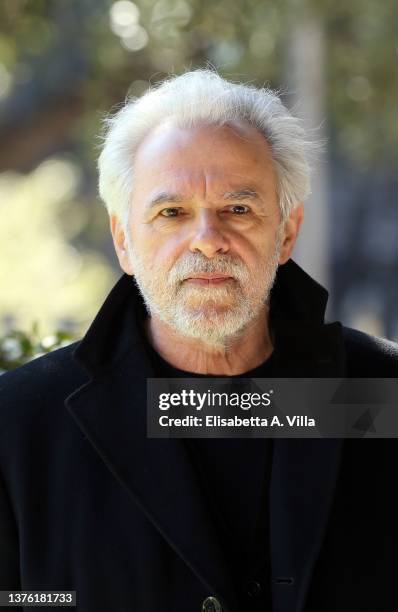
Sandro Petraglia, a name synonymous with the golden era of Italian cinema, is one of the most distinguished screenwriters and directors in the Italian film industry. Born on April 19, 1947, in Rome, Petraglia has left an indelible mark on both cinema and television, shaping narratives that have resonated with audiences across generations. His career spans decades, with a body of work that reflects not only his immense talent but also his deep understanding of storytelling and the human condition. This article delves into the life, fame, and achievements of Sandro Petraglia, exploring the nuances of his career, his influence on Italian cinema, and the historical context that shaped his contributions.
Early Life and Education
Sandro Petraglia was born into a culturally rich environment in Rome, a city that has been the heart of Italian art and culture for centuries. Growing up in such a vibrant atmosphere, it was perhaps inevitable that Petraglia would gravitate towards the arts. He pursued a degree in philosophy, a discipline that would later influence his approach to storytelling, imbuing his scripts with intellectual depth and a keen insight into human nature.
Petraglia’s early years were marked by a strong passion for cinema. He began his career as a film critic, writing for the magazine “Cinema Sessanta.” His work as a critic allowed him to hone his analytical skills, giving him a profound understanding of cinematic techniques and narrative structures. This period of his life laid the groundwork for his future endeavors as a screenwriter and director.
The Journey into Filmmaking
While working as a critic, Petraglia nurtured the dream of becoming a filmmaker. His opportunity to explore the world of film direction came when he began collaborating with the renowned film magazine “Ombre Rosse,” directed by Goffredo Fofi. It was during this time that Petraglia developed a desire to uncover the secrets of filmmaking. To further his understanding, he requested to be sent to film sets, where he could observe and learn from established directors.
It was on these sets that Petraglia met Marco Bellocchio, a director who would become a significant figure in his career. The relationship between Petraglia and Bellocchio was built on mutual respect and trust, and it marked the beginning of a fruitful collaboration that would influence Petraglia’s future work.
Early Collaborations and Breakthroughs
In the mid-1970s, Petraglia made his first significant foray into filmmaking. Alongside Silvano Agosti, Marco Bellocchio, and Stefano Rulli, Petraglia co-directed the documentary “Nessuno o tutti” (later released in theaters as “Matti da slegare”), a film that explored the conditions of psychiatric hospitals in Italy. This documentary was a bold and insightful look into a subject that was rarely discussed in public discourse at the time. The success of this project established Petraglia as a filmmaker who was unafraid to tackle challenging and socially relevant topics.
Petraglia continued to collaborate with the same group of filmmakers, and in 1978, they produced another documentary, “La macchina cinema,” an in-depth investigation into the world of cinema itself. These early works were instrumental in shaping Petraglia’s approach to filmmaking, where he combined his philosophical background with a strong sense of social responsibility.
Transition to Screenwriting
While Petraglia initially aspired to be a director, it was in screenwriting that he truly found his calling. His first screenplay was for the film “Bianca” (1983), directed by Nanni Moretti. This project marked the beginning of a prolific screenwriting career that would see Petraglia become one of Italy’s most sought-after writers. His collaboration with Stefano Rulli, which began in the 1980s, proved to be particularly fruitful. Together, they penned numerous successful films, many of which are now considered classics of Italian cinema.
Key Works and Collaborations
One of Petraglia’s most notable contributions to Italian cinema is his work on the film “La meglio gioventù” (2003), directed by Marco Tullio Giordana. This epic six-hour film, which was originally conceived as a television miniseries, chronicles the lives of two brothers over four decades, set against the backdrop of significant events in Italian history. “La meglio gioventù” received critical acclaim both in Italy and internationally, winning several awards and solidifying Petraglia’s reputation as a master storyteller.
Petraglia’s collaboration with directors like Gianni Amelio and Marco Risi also produced some of the most poignant films in contemporary Italian cinema. His work on films such as “Il ladro di bambini” (1992) by Amelio and “Mery per sempre” (1989) by Risi demonstrated his ability to capture the complexities of human relationships and social issues with sensitivity and depth.
In addition to his work in cinema, Petraglia has also made significant contributions to Italian television. He was involved in the writing of several episodes of the popular crime series “La piovra,” which became a cultural phenomenon in Italy during the 1980s and 1990s. His ability to craft compelling narratives that resonate with a wide audience has made him a versatile writer capable of working across different media.
Historical Context: Italian Cinema in the Late 20th Century
To understand the impact of Sandro Petraglia’s work, it is important to consider the historical context in which he operated. Italian cinema in the late 20th century was undergoing significant changes. The post-war period, which had given rise to the Italian Neorealism movement, was characterized by films that focused on the everyday lives of ordinary people, often highlighting social and economic struggles.
By the time Petraglia entered the scene, Italian cinema was exploring new directions. The influence of Neorealism was still present, but filmmakers were also experimenting with different genres and styles. This was a period of great creativity and innovation, and Petraglia’s work reflects the dynamic nature of Italian cinema at the time.
Petraglia’s ability to navigate this evolving landscape and contribute meaningfully to both cinema and television is a testament to his adaptability and vision. His scripts often dealt with themes of identity, social justice, and the human condition, themes that were particularly resonant in a country grappling with political and social changes.
Influence and Legacy
Sandro Petraglia’s influence on Italian cinema cannot be overstated. His body of work has not only entertained audiences but has also prompted them to reflect on important social issues. Petraglia’s films often explore the tensions between personal desires and societal expectations, a theme that is both universal and deeply rooted in the Italian experience.
Petraglia’s legacy is also evident in the many accolades he has received over the years. His work has been recognized at numerous film festivals, and he has won several prestigious awards, including the David di Donatello, Italy’s top film award. These honors reflect the high regard in which he is held by both his peers and the public.
Moreover, Petraglia’s impact extends beyond his own work. As a mentor and collaborator, he has influenced a new generation of Italian filmmakers and screenwriters, passing on his knowledge and passion for cinema. His contributions have helped to shape the direction of Italian cinema in the 21st century, ensuring that his legacy will continue to inspire future filmmakers.
Challenges and Triumphs
Like many artists, Petraglia has faced his share of challenges. The film industry is notoriously difficult to navigate, and maintaining a successful career over several decades requires not only talent but also resilience. Petraglia’s ability to adapt to the changing demands of the industry and continue producing relevant and powerful work is a testament to his dedication and skill.
One of the challenges Petraglia has often addressed in his work is the portrayal of complex social issues. Whether dealing with the intricacies of family dynamics or the broader implications of political events, Petraglia has always approached his subjects with a nuanced understanding. This ability to delve into the intricacies of human experience and present them in a compelling narrative has been key to his success.
Future Projects and Continuing Impact
As of the latest reports, Sandro Petraglia continues to be active in the film industry. His recent projects indicate that he remains committed to exploring new stories and themes, contributing to the ongoing evolution of Italian cinema. While the industry itself continues to change, with the rise of digital platforms and new modes of distribution, Petraglia’s focus on strong storytelling ensures that his work remains relevant.
Petraglia’s upcoming projects are eagerly anticipated by both critics and audiences. His ability to consistently produce high-quality work over such an extended period is rare, and it is a testament to his enduring passion for cinema.
Conclusion
Sandro Petraglia’s life and career are a testament to the power of storytelling. From his early days as a film critic to his rise as one of Italy’s most respected screenwriters and directors, Petraglia has demonstrated an unwavering commitment to his craft. His work has not only entertained but also educated and inspired, leaving a lasting impact on both Italian cinema and global audiences.
As we look to the future, it is clear that Petraglia’s influence will continue to be felt. His dedication to exploring complex themes and his ability to connect with audiences on a deep emotional level ensure that his legacy will endure for years to come. Sandro Petraglia is not just a filmmaker; he is a cultural icon whose work has helped to shape the landscape of modern cinema.


