
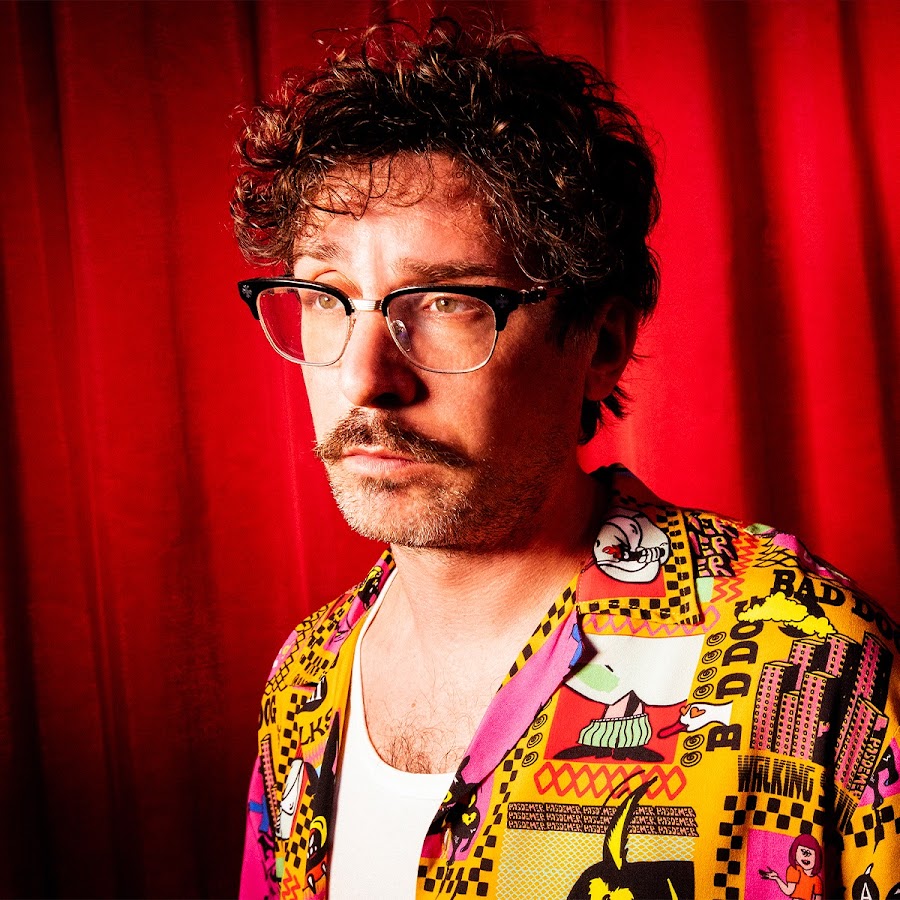
Willie Peyote, born as Guglielmo Bruno on August 28, 1985, in Turin, Italy, is a celebrated rapper and singer-songwriter known for his witty, satirical lyrics and his deep connection to his Italian roots. He has carved out a unique niche in the Italian music scene with his blend of rap, punk, and rock influences, becoming a voice for a generation that resonates with his sharp social commentary and innovative musical style.
Early Life and Musical Beginnings
Willie Peyote was born into a family that nurtured his musical talents from a young age. His father, a musician himself, played a significant role in shaping Willie’s early exposure to music. Growing up in Turin, a city with a rich cultural history, Willie was immersed in a vibrant musical environment that allowed him to explore various genres. His early exposure to music was diverse, ranging from rock and punk to the burgeoning rap scene that would eventually define his career.
His interest in music grew as he followed his father’s musical journey, often accompanying him on tours. This early exposure to live performances and the behind-the-scenes workings of the music industry laid the foundation for his future career. Willie Peyote’s musical journey began in earnest when he started experimenting with different musical styles, eventually gravitating towards rap, a genre that allowed him to express his thoughts and observations on society in a raw and direct manner.
The Rise to Fame
Willie Peyote’s initial foray into the music world began with the formation of the group SOS Clique alongside his friends Kavah and Shula. Together, they released several demos and an EP titled L’erbavoglio in 2008, which garnered attention within the local music scene. However, it wasn’t until 2011 that Willie Peyote truly began to make a name for himself as a solo artist with the release of his debut album, Il manuale del giovane nichilista (The Young Nihilist’s Manual).
This album was a bold declaration of his unique worldview, characterized by a blend of irony, social critique, and a keen sense of humor. The album’s lyrics were a reflection of Willie’s ability to observe and comment on the world around him, often highlighting the absurdities of modern life. The release was well-received, with both critics and audiences praising his ability to push the boundaries of traditional hip-hop.
Two years later, in 2013, he followed up with Non è il mio genere, il genere umano (It’s Not My Genre, the Human Genre), further cementing his reputation as a thoughtful and innovative artist. This album expanded on the themes introduced in his debut, exploring the human condition with a mix of cynicism and empathy.
Breakthrough and National Recognition
Willie Peyote’s breakthrough came in 2015 with the release of his third album, Educazione sabauda (Savoyard Education). This album marked a significant turning point in his career, showcasing a more personal and introspective side of his music. The album’s lyrics delved into the complexities of life, drawing inspiration from his own experiences and the world around him.
Educazione sabauda was particularly noted for its sharp social commentary, with tracks like Io non sono razzista ma… (I’m Not Racist, But…) capturing the zeitgeist of contemporary Italy. The song became a touchstone in the national conversation about racism and xenophobia, illustrating Willie’s ability to address serious issues with a deft touch. His ability to infuse his music with both humor and gravitas earned him widespread acclaim, and he quickly became a household name in Italy.
In 2017, Willie Peyote released Sindrome di Tôret, an album that further showcased his versatility as an artist. This album was a departure from his previous work, blending hip-hop with rock influences to create a sound that was uniquely his own. The critical response was overwhelmingly positive, with many praising his ability to evolve as an artist while staying true to his roots.
Collaborations and Continued Success
Willie Peyote’s career continued to soar in the following years, marked by high-profile collaborations and successful tours. In 2019, he teamed up with the iconic Italian band Subsonica on the track L’incubo (The Nightmare). This collaboration was a significant moment in his career, as it brought together two of Turin’s most influential musical acts. The partnership extended beyond the studio, with Willie joining Subsonica on their winter tour, further solidifying his place in the Italian music scene.
Later that year, Willie released his fifth album, Iodegradabile (Biodegradable), which included the hit single La tua futura ex moglie (Your Future Ex-Wife). The album was another critical and commercial success, demonstrating Willie’s ability to consistently produce music that resonated with a wide audience. The track Algoritmo (Algorithm), featuring Don Joe and Shaggy, was particularly well-received, showcasing his ability to collaborate with artists from different musical backgrounds.
As the world grappled with the COVID-19 pandemic in 2020, Willie Peyote released the single La depressione è un periodo dell’anno (Depression is a Time of the Year). The song captured the collective anxiety and uncertainty of the moment, offering a poignant reflection on the challenges of living through a global crisis.
Sanremo 2021 and Beyond
Willie Peyote’s career reached new heights in 2021 when he participated in the prestigious Sanremo Music Festival. His entry, Mai dire mai (La locura) (Never Say Never), won the Mia Martini Critics’ Prize, further cementing his reputation as one of Italy’s most important contemporary artists. The song, with its biting lyrics and catchy melody, was a standout at the festival, earning him praise from both critics and audiences.
The Sanremo performance marked a significant milestone in Willie Peyote’s career, exposing him to an even wider audience and solidifying his place in the pantheon of Italian music. The song’s success was a testament to Willie’s ability to craft music that is both thought-provoking and accessible, blending complex social themes with a mainstream appeal.
Legacy and Impact
Willie Peyote’s impact on the Italian music scene cannot be overstated. He has consistently pushed the boundaries of what is possible in music, blending genres and styles to create something entirely his own. His lyrics, often laced with irony and social critique, have resonated with a generation of listeners who appreciate his ability to articulate the challenges and contradictions of modern life.
Beyond his music, Willie Peyote is also known for his commitment to social issues. His songs often address topics such as racism, xenophobia, and social inequality, making him a voice for change in Italy. His willingness to speak out on these issues has earned him both praise and criticism, but he has remained steadfast in his commitment to using his platform for good.
Personal Life and Passions
Despite his public persona, Willie Peyote has remained relatively private about his personal life. He is known to be a passionate supporter of Torino Football Club, often referencing his love for the team in his music. His connection to his hometown of Turin is evident in much of his work, with the city serving as both a backdrop and a source of inspiration for his music.
Willie Peyote’s life and career are a testament to the power of music to inspire, challenge, and bring people together. His journey from the streets of Turin to the stage at Sanremo is a remarkable story of talent, perseverance, and a deep commitment to his craft. As he continues to evolve as an artist, there is no doubt that Willie Peyote will remain a significant figure in the Italian music scene for years to come.


