
Introduction
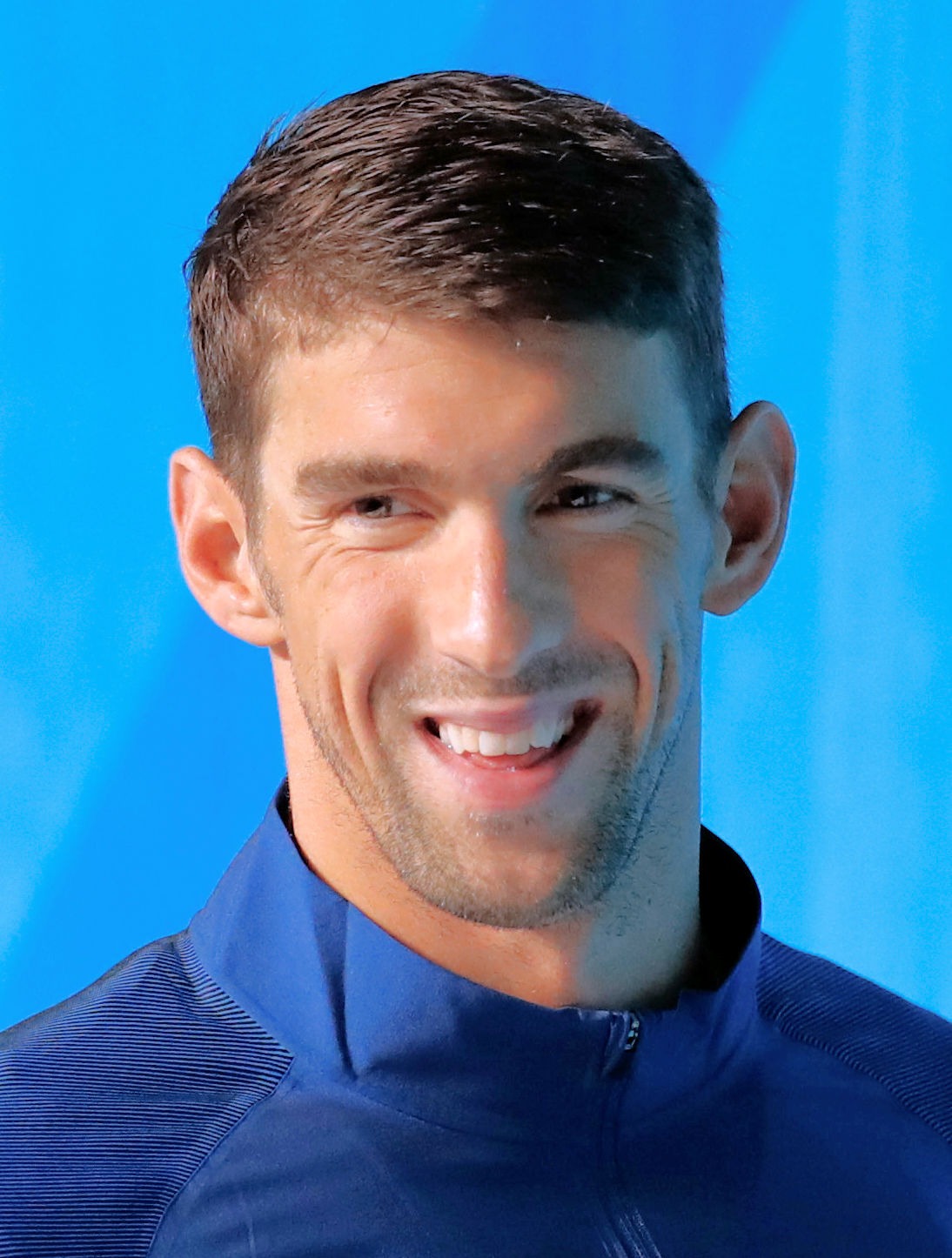
Michael Phelps, an iconic figure in the world of sports, has earned his place as one of the greatest athletes of all time. Born on June 30, 1985, in Baltimore, Maryland, Phelps has not only set numerous records in swimming but has also become a symbol of perseverance, dedication, and excellence. His journey from a young swimmer with potential to a global superstar is a story filled with triumphs, challenges, and remarkable achievements.
Early Life and Introduction to Swimming
Michael Phelps was introduced to swimming at the age of seven, largely as a way to manage his hyperactivity. His natural talent in the pool was evident early on, and by the age of 10, he had already set a national record for his age group in the 100-meter butterfly. Phelps’ early success caught the attention of renowned swim coach Bob Bowman, who became a pivotal figure in his career.
Under Bowman’s guidance, Phelps quickly rose through the ranks of competitive swimming. By the age of 15, he qualified for the 2000 Sydney Olympics, becoming the youngest male swimmer to make a U.S. Olympic team in nearly seven decades. Although he didn’t win a medal at Sydney, the experience set the stage for his future dominance.
The Rise to Stardom: Breaking Records and Winning Medals
Phelps’ breakthrough came shortly after the Sydney Olympics. In 2001, at just 16 years old, he set his first world record in the 200-meter butterfly at the World Championships in Fukuoka, Japan. This victory was just the beginning of a record-breaking spree that would continue for over a decade.
In 2004, at the Athens Olympics, Phelps’ status as a swimming superstar was solidified. Competing in eight events, he won six gold medals and two bronze medals, coming close to breaking Mark Spitz’s record of seven gold medals in a single Olympics. His performance in Athens was a testament to his versatility, as he competed in freestyle, butterfly, and medley events, both individually and in relays.
Phelps’ dominance continued at the 2007 World Championships in Melbourne, where he won seven gold medals and set five world records. His relentless pursuit of excellence and his ability to perform under pressure made him a global sports icon.
Beijing 2008: The Pinnacle of Olympic Success
The 2008 Beijing Olympics is perhaps the most memorable moment in Phelps’ career. Coming into the Games with immense pressure and expectations, Phelps aimed to break Spitz’s record by winning eight gold medals. In what is considered one of the greatest feats in Olympic history, Phelps not only met but exceeded expectations.
Phelps won gold in all eight events he entered, setting world records in seven of them. His victories included thrilling finishes, such as the 100-meter butterfly, where he won by just one-hundredth of a second. His eighth gold medal came in the 4×100-meter medley relay, where the U.S. team set a new world record. This historic achievement cemented Phelps’ legacy as the greatest swimmer of all time and arguably the greatest Olympian.
London 2012 and the Road to Retirement
After Beijing, Phelps’ motivation to continue competing began to wane. However, he decided to push through to the London 2012 Olympics, aiming to add more medals to his already impressive collection. In London, Phelps competed in seven events, winning four gold medals and two silver medals. His victory in the 4×200-meter freestyle relay made him the most decorated Olympian in history, with a total of 19 Olympic medals.
Phelps initially retired after the London Olympics, but his competitive spirit brought him back to the pool just a couple of years later. In 2014, he announced his comeback, setting his sights on the Rio 2016 Olympics.
Rio 2016: The Final Chapter
At the Rio Olympics, Phelps once again demonstrated why he is considered the greatest swimmer of all time. Competing in six events, he won five gold medals and one silver, bringing his total Olympic medal count to 28, including 23 golds. His victory in the 200-meter individual medley made him the first swimmer to win the same event in four consecutive Olympics.
Phelps’ final race was the 4×100-meter medley relay, where he swam the butterfly leg, helping the U.S. team to win gold. As he stood on the podium, the reality of his achievements began to sink in. Phelps had not only made history but had also inspired a generation of athletes around the world.
Challenges and Personal Struggles
Despite his success in the pool, Phelps has faced numerous challenges outside of it. Throughout his career, he struggled with depression, anxiety, and the pressure of living up to his own standards. In 2014, he was arrested for driving under the influence, which led to a six-month suspension from USA Swimming and raised concerns about his mental health.
Phelps has been open about his struggles with mental health, using his platform to raise awareness and advocate for others dealing with similar issues. His willingness to speak out has helped destigmatize mental health issues in the sports world and beyond.
Legacy and Impact on Swimming
Michael Phelps’ impact on the sport of swimming is immeasurable. His achievements have raised the bar for what is possible in the pool, inspiring countless young swimmers to pursue their dreams. Phelps has also played a significant role in popularizing swimming globally, bringing attention to the sport in a way that few others have.
Phelps’ influence extends beyond the pool as well. He has used his fame to support various charitable causes, including his own foundation, which focuses on promoting healthy and active lifestyles for children. Phelps’ advocacy for water safety and mental health has further solidified his legacy as a role model and leader.
The Technical Mastery and Physical Dominance
Phelps’ success can be attributed to a combination of natural talent, technical mastery, and physical dominance. Standing 6 feet 4 inches tall, with an arm span of 6 feet 7 inches, Phelps possesses a physique that is almost tailor-made for swimming. His long torso, short legs, and large feet give him a unique advantage in the water, allowing him to glide more efficiently than his competitors.
In addition to his physical attributes, Phelps is known for his incredible work ethic and attention to detail. Under Bowman’s coaching, Phelps honed his technique, focusing on every aspect of his strokes, turns, and starts. His mental toughness and ability to stay calm under pressure also played a crucial role in his success, particularly in close races.
Phelps’ Post-Retirement Life
Since retiring from competitive swimming after the Rio 2016 Olympics, Phelps has remained active in the sports world. He serves as an ambassador for various brands and continues to promote swimming and water safety. Phelps has also taken on the role of a mentor, working with young athletes to help them achieve their full potential.
In his personal life, Phelps is a devoted husband and father. He married Nicole Johnson in 2016, and the couple has three sons. Phelps has spoken about how fatherhood has changed his perspective on life, giving him a new sense of purpose and fulfillment.
Conclusion
Michael Phelps is more than just a swimmer; he is a symbol of what can be achieved through hard work, determination, and resilience. His journey from a hyperactive child to the most decorated Olympian in history is a testament to the power of setting goals and pursuing them with relentless passion. As we reflect on his career, it is clear that Phelps’ legacy will endure for generations to come, inspiring future athletes to push the boundaries of what is possible.


