
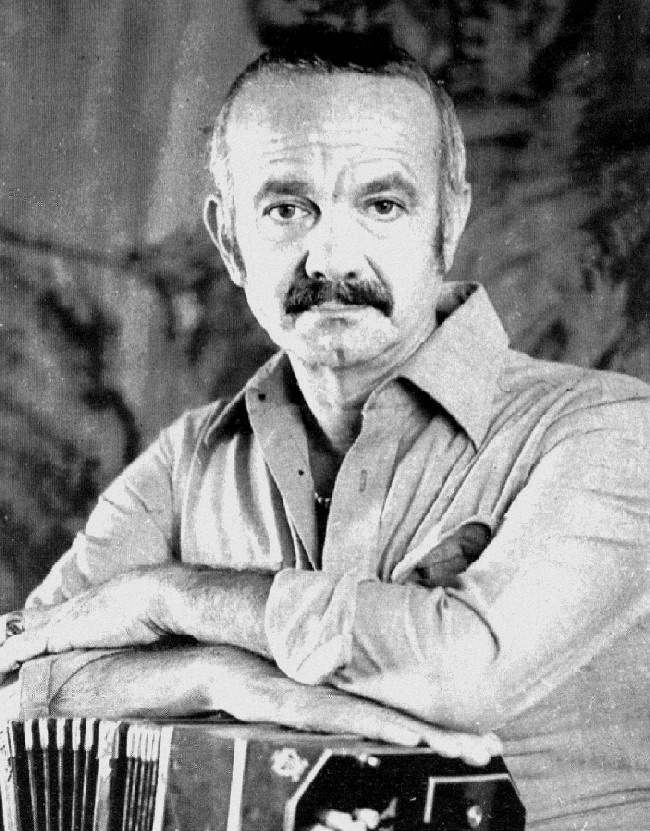
Astor Piazzolla, a name synonymous with the revolution of tango music, stands as one of the most influential and innovative composers of the 20th century. Known for his unique style that seamlessly blended traditional Argentine tango with elements of jazz and classical music, Piazzolla’s work transcends cultural and temporal boundaries, earning him global recognition. This article delves into the life of Astor Piazzolla, exploring his age, rise to fame, and the pivotal highlights of his illustrious career.
Early Life and Musical Beginnings
Born on March 11, 1921, in Mar del Plata, Argentina, Astor Pantaleón Piazzolla was destined to redefine the world of tango. His early years were marked by a transcontinental upbringing, which would later influence his eclectic musical style. In 1924, at the tender age of three, Piazzolla moved with his family to New York City. This relocation exposed him to a melting pot of musical genres, from classical music to jazz, which would later become integral to his revolutionary approach to tango.
In New York, Piazzolla began his musical journey, taking up the bandoneón—a type of concertina that is a staple of Argentine tango music. Despite its German origins, the bandoneón is deeply associated with Argentine culture, and Piazzolla would go on to become one of its most renowned players. His early encounters with this instrument laid the foundation for his future innovations in tango music.
By 1936, the Piazzolla family had returned to Argentina, settling in Buenos Aires. It was here, in the vibrant cultural heart of Argentina, that Piazzolla’s musical career truly began to take shape. As a young prodigy, he quickly gained recognition for his exceptional skill on the bandoneón, performing in nightclubs and with various tango orchestras. However, Piazzolla’s ambitions extended beyond the traditional tango of his homeland. He sought to expand the boundaries of the genre, incorporating elements from other musical traditions that he had encountered during his formative years in New York.
Education and Influence of Nadia Boulanger
Piazzolla’s desire to evolve as a musician led him to study composition, and in 1954, he received a grant to study in Paris under the tutelage of Nadia Boulanger, one of the most respected and influential music teachers of the 20th century. Boulanger’s influence on Piazzolla cannot be overstated; she encouraged him to embrace his Argentine roots and to explore the tango as a serious form of musical expression.
Under Boulanger’s guidance, Piazzolla refined his compositional skills and developed a deeper understanding of classical music, which he would later fuse with the tango. She recognized Piazzolla’s unique talent and persuaded him not to abandon the bandoneón and the tango but to incorporate his classical training into his work. This advice proved to be pivotal, as it led Piazzolla to create a new genre of music that would come to be known as “nuevo tango.”
The Birth of Nuevo Tango
Upon returning to Argentina in 1955, Piazzolla embarked on a mission to revolutionize the traditional tango. Armed with the knowledge and techniques he had acquired in Paris, he formed the Octeto Buenos Aires, an ensemble that would become the vanguard of his new musical style. This group, which included instruments not traditionally associated with tango, such as the electric guitar and the vibraphone, marked the beginning of Piazzolla’s foray into “nuevo tango.”
Nuevo tango was characterized by its complex rhythms, dissonant harmonies, and incorporation of elements from jazz and classical music. It was a bold departure from the traditional tango that had dominated Argentine music for decades. Piazzolla’s compositions were more sophisticated and structurally intricate, drawing inspiration from the works of composers like Johann Sebastian Bach and Igor Stravinsky, as well as from jazz legends like Duke Ellington.
This new style was not universally embraced at first. Many traditionalists viewed Piazzolla’s innovations as a betrayal of the tango’s roots. However, Piazzolla was undeterred. He continued to compose and perform, gradually winning over critics and audiences alike with his daring approach to the genre. His music was filled with a wide range of emotions, from melancholy and nostalgia to passion and exuberance, reflecting the complex nature of human experience.
Signature Works and Global Recognition
Throughout his career, Piazzolla composed numerous works that have since become staples of the tango repertoire. Some of his most famous compositions include “Libertango,” “Adiós Nonino,” “Oblivion,” and the series “Las Cuatro Estaciones Porteñas” (The Four Seasons of Buenos Aires). These pieces showcase Piazzolla’s ability to blend different musical traditions into a cohesive and compelling new form.
“Libertango,” one of Piazzolla’s most recognized compositions, epitomizes the essence of nuevo tango. The title itself is a portmanteau of “libertad” (freedom) and “tango,” symbolizing Piazzolla’s liberation of the genre from its traditional constraints. The piece’s driving rhythm and bold, syncopated melodies exemplify Piazzolla’s innovative approach to tango music.
“Adiós Nonino,” written in memory of Piazzolla’s father, is another cornerstone of his oeuvre. The piece combines poignant melodies with a complex structure, reflecting the deep emotional resonance that Piazzolla was able to convey through his music. This composition, in particular, has been widely performed and recorded by classical and popular musicians alike, further cementing Piazzolla’s reputation as a master composer.
Piazzolla’s influence extended far beyond the borders of Argentina. His music resonated with audiences around the world, earning him a reputation as one of the most important composers of the 20th century. He collaborated with numerous musicians across genres, including jazz saxophonist Gerry Mulligan and classical cellist Yo-Yo Ma, further broadening the appeal of his work.
Challenges and Controversies
Despite his success, Piazzolla’s career was not without its challenges. His innovative approach to tango music often put him at odds with the traditionalists in Argentina. Many tango purists were critical of his work, accusing him of distorting the essence of the tango. Piazzolla himself once remarked that his music was “too complex for the mass public and too popular for the intellectuals.”
However, Piazzolla remained steadfast in his vision. He believed in the power of music to transcend cultural and artistic boundaries, and he was determined to push the limits of the genre. Over time, his music gained wider acceptance, and he came to be recognized as a leading figure in the world of contemporary music.
Later Life and Legacy
Astor Piazzolla continued to compose and perform until the very end of his life. Despite suffering from heart problems in his later years, he remained active in the music scene, constantly pushing the boundaries of his art. On July 4, 1992, Piazzolla passed away in Buenos Aires at the age of 71, leaving behind a rich legacy that continues to influence musicians around the world.
Today, Piazzolla is celebrated as one of the greatest composers of the 20th century. His contributions to music have been recognized with numerous awards and honors, and his works are performed by leading orchestras and musicians across the globe. Piazzolla’s innovative spirit and his ability to fuse different musical traditions have made him a timeless figure in the world of music.
The Enduring Influence of Astor Piazzolla
Piazzolla’s impact on the world of music is immeasurable. He not only redefined the tango but also expanded its possibilities, creating a new genre that has inspired countless musicians and composers. His work has been covered and reinterpreted by artists across a wide range of genres, from classical and jazz to rock and electronic music.
In addition to his influence on music, Piazzolla’s life and career serve as a testament to the power of innovation and the importance of staying true to one’s artistic vision. He faced criticism and controversy throughout his career, but he never wavered in his commitment to pushing the boundaries of his art.
Piazzolla’s legacy is evident in the continued popularity of his music and the ongoing influence of his work on contemporary composers. His ability to blend different musical traditions and his innovative approach to composition have left an indelible mark on the world of music.
Conclusion
Astor Piazzolla’s life and work represent a unique fusion of tradition and innovation. Through his creation of nuevo tango, he not only revitalized a traditional genre but also created a new form of music that continues to resonate with audiences today. Piazzolla’s contributions to music are a testament to his extraordinary talent and his unwavering dedication to his art.
As we reflect on the life and legacy of Astor Piazzolla, we are reminded of the power of music to transcend cultural boundaries and to connect people across time and space. Piazzolla’s work will continue to inspire musicians and music lovers for generations to come, ensuring that his legacy lives on.


