
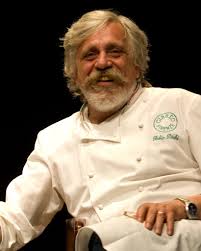
Fabio Picchi, born on June 22, 1954, in Florence, Italy, was a celebrated Italian chef, author, and cultural icon. Known for his deep love of Florentine cuisine and his commitment to preserving and celebrating traditional Italian food, Picchi’s influence extended beyond the kitchen. He was also a prolific writer, a passionate theater enthusiast, and a prominent figure in Italian media. This article explores the life and legacy of Fabio Picchi, delving into his journey from a young man with a passion for culture to one of Italy’s most renowned culinary figures.
Early Life and Education: A Path Shaped by Culture
Fabio Picchi was born into a family that valued culture and the arts, a background that significantly influenced his life. Despite showing early signs of a brilliant mind, Picchi’s formal education was marked by challenges. His academic journey was anything but traditional; he was not the type of student who excelled by spending hours buried in books. Instead, Picchi was a curious and adventurous teenager, eager to experience life beyond the classroom.
Growing up in Florence, a city steeped in history and culture, Picchi was drawn to the vibrant world of theater and cinema. His afternoons were often spent attending performances and immersing himself in the rich cultural offerings of his city. This early exposure to the arts cultivated in him a lifelong passion for culture, which would later become a cornerstone of his professional life.
After high school, Picchi briefly attended university, enrolling first in the Faculty of Letters and then in Political Science. However, he quickly realized that academia was not his true calling. A short stint working in his father’s company further solidified his belief that he was meant to carve his own path. It wasn’t long before he informed his family of his ambitious plan to open his own restaurant—a decision that would change the course of his life.
The Birth of Cibreo: A Culinary Revolution
On September 8, 1979, Fabio Picchi opened his first restaurant, Cibreo, in Florence. The restaurant was named after a traditional Florentine dish, cibreo, a simple yet flavorful dish made from chicken liver, eggs, and other ingredients. The name was a nod to Picchi’s deep appreciation for his family’s culinary heritage and his commitment to preserving the authentic flavors of Tuscany.
Cibreo quickly became a culinary landmark in Florence, known not only for its delicious food but also for the unique dining experience it offered. Picchi’s approach to cooking was deeply rooted in tradition, yet he brought a modern sensibility to his dishes, emphasizing the quality of ingredients and the importance of storytelling in cuisine. His philosophy was that food should not only nourish the body but also enrich the soul—a belief that resonated with both locals and visitors alike.
Picchi’s success with Cibreo was not just due to his culinary skills but also his ability to create an environment that celebrated culture and community. The restaurant became a gathering place for intellectuals, artists, and food lovers, all drawn to the warmth and authenticity that Picchi infused into every aspect of his establishment.
Expanding the Cibreo Legacy: A Cultural Hub
Over the years, Fabio Picchi expanded his culinary empire, opening several other establishments that reflected his diverse interests and passions. These included Cibreo Trattoria (known as Cibreino), Caffè Cibreo, and Cibleo, an innovative restaurant that blended Italian and Oriental flavors. Each of these ventures maintained the high standards of quality and cultural richness that Picchi was known for, further solidifying his reputation as a culinary visionary.
In addition to his restaurants, Picchi opened C.Bio, a grocery store that focused on organic and locally sourced products. C.Bio was more than just a store; it was a manifestation of Picchi’s belief in the importance of sustainable and ethical food practices. Through C.Bio, he sought to educate his customers about the origins of their food and the impact of their choices on the environment.
But Picchi’s ambitions went beyond the realm of food. In 2003, he and his wife, Maria Cassi, an actress, director, and playwright, founded the Teatro del Sale, a unique cultural space in Florence. The Teatro del Sale was both a theater and a dining hall, where patrons could enjoy a meal while watching live performances. The concept was a reflection of Picchi’s lifelong love for the arts and his belief in the power of culture to bring people together.
The Teatro del Sale quickly became a cultural hub in Florence, hosting a wide range of performances, from theater and music to poetry readings and lectures. Picchi and Cassi also launched a monthly publication, “L’ambasciata teatrale,” which served as a platform for cultural discourse and collaboration among like-minded individuals. Through these initiatives, Picchi and Cassi created a vibrant community of artists, thinkers, and food lovers, all united by their shared passion for culture.
Television and Media: A Chef with a Message
Fabio Picchi was not just a chef; he was also a charismatic media personality who used his platform to share his love of food and culture with a broader audience. He became a familiar face on Italian television, particularly through his appearances on Rai Tre’s “Geo,” a popular program hosted by Sveva Sagramola. On “Geo,” Picchi offered viewers more than just cooking lessons; his segments were rich with anecdotes, historical references, and philosophical musings on the art of cooking and the importance of food in our lives.
Picchi’s television presence extended to other programs as well, including appearances as a guest commentator on La7’s “Piazzapulita” and “L’aria che tira.” His insights on these shows were always thoughtful and delivered with a blend of wit and wisdom that endeared him to audiences across Italy. Picchi’s ability to connect with people through the screen was a testament to his natural charisma and his genuine passion for sharing his knowledge and experiences.
Author and Storyteller: Preserving Culinary Tradition
Fabio Picchi’s influence extended beyond the kitchen and television screen; he was also a prolific author who used his writing to celebrate and preserve Italian culinary traditions. His books, published by prestigious publishers such as Mondadori Electa, include “Passeggiate tra cibo e laica civiltà” (2015) and “Papale Papale” (2016). These works are not just collections of recipes; they are rich narratives that weave together history, culture, and personal anecdotes, offering readers a deeper understanding of the role food plays in our lives.
In his writings, Picchi emphasized the importance of preserving traditional recipes and culinary practices, viewing them as integral to cultural identity. He believed that food was a language—a way of communicating history, values, and emotions. His books reflect this philosophy, offering readers a glimpse into the soul of Italian cuisine and the rich cultural tapestry from which it emerged.
The Legacy of Fabio Picchi: A Life Dedicated to Culture and Community
Fabio Picchi’s impact on Italian cuisine and culture cannot be overstated. He was more than just a chef; he was a cultural ambassador who used food as a medium to express his love for Florence, Italy, and the broader human experience. Through his restaurants, books, and media appearances, Picchi shared his passion for food and culture with the world, leaving an indelible mark on everyone who had the privilege of experiencing his work.
Picchi’s legacy is also carried on by his family, particularly his children, who have continued to be involved in the culinary world. His son, Duccio Picchi, is one of the key figures in maintaining the family’s culinary tradition, ensuring that the values and practices Fabio championed continue to thrive.
The Accademia Cibreo, a culinary school founded by Picchi, stands as a testament to his commitment to education and the preservation of traditional Italian cuisine. The school offers aspiring chefs the opportunity to learn from the best, ensuring that the knowledge and skills that Picchi valued are passed down to future generations.
Final Years and Passing: A Lasting Influence
Fabio Picchi continued to be active in the culinary and cultural scenes well into his later years. His energy, enthusiasm, and creativity remained undimmed, and he continued to inspire those around him with his unwavering dedication to his craft.
Sadly, Fabio Picchi passed away on February 25, 2022, at the age of 67. His death was a significant loss to the culinary world and the broader cultural community, but his influence lives on through the institutions he created, the people he inspired, and the legacy of excellence and passion he left behind.
Conclusion: The Enduring Legacy of Fabio Picchi
Fabio Picchi’s life was a testament to the power of passion, creativity, and dedication. He transformed the culinary landscape of Florence and left an indelible mark on Italian culture. His commitment to preserving and celebrating traditional Italian cuisine, coupled with his love for the arts and community, made him a unique and beloved figure.
Picchi’s legacy is not just in the restaurants he founded or the books he wrote but in the countless lives he touched through his work. He was a man who believed in the importance of culture, tradition, and community, and he spent his life sharing these values with the world. As we remember Fabio Picchi, we celebrate not just his contributions to food but his role as a cultural icon whose influence will continue to be felt for generations to come.


