
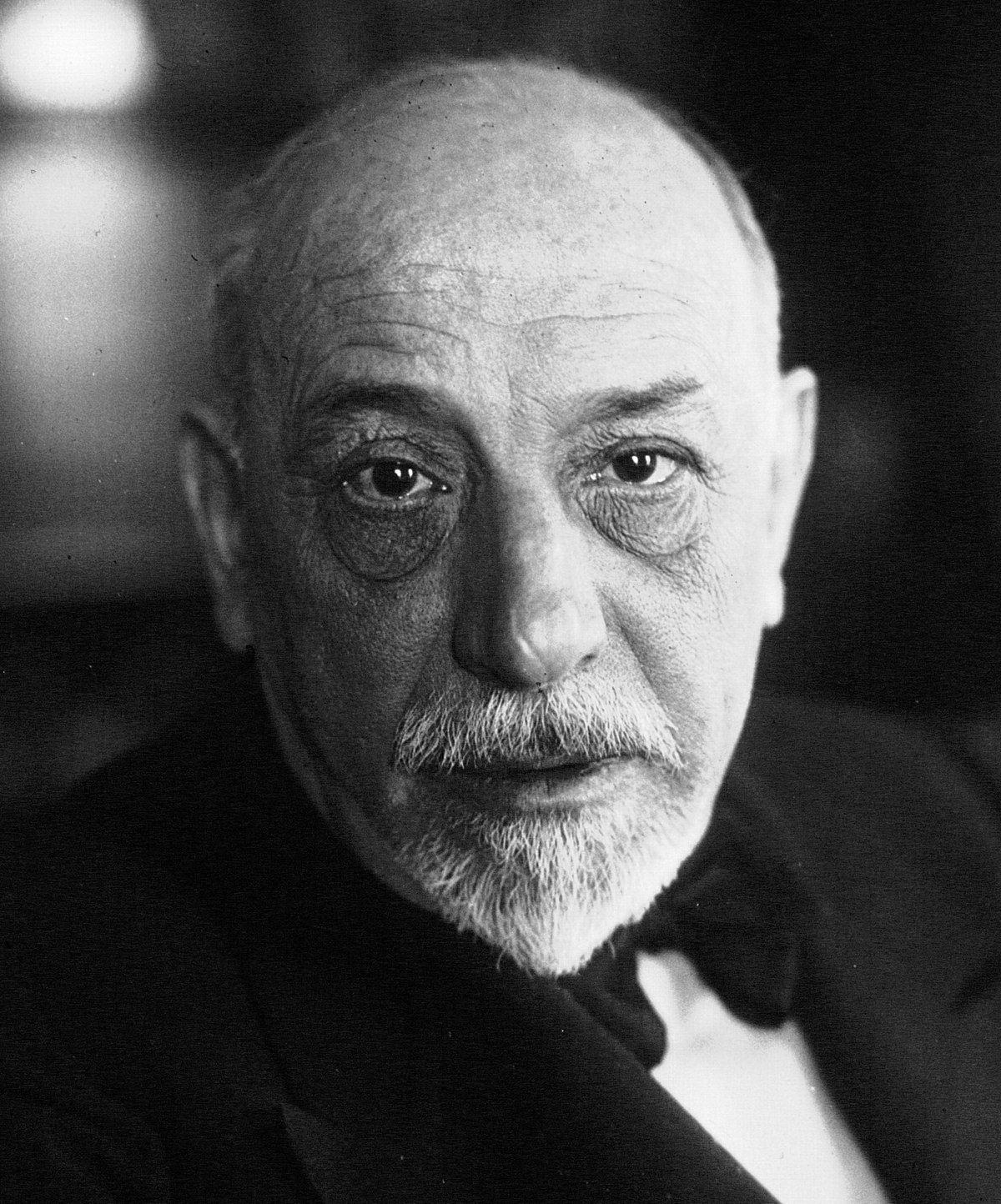
Luigi Pirandello, born on June 28, 1867, in Girgenti (now Agrigento), Italy, is one of the most influential figures in modern literature and theater. His work, which spans various genres including novels, short stories, and plays, has left an indelible mark on the cultural landscape of the 20th century. Pirandello’s exploration of identity, reality, and the human condition through his innovative narrative techniques and dramatic structures earned him widespread acclaim, culminating in the Nobel Prize for Literature in 1934. This article delves into the life, achievements, and enduring legacy of Luigi Pirandello, offering a comprehensive look at his contributions to literature and theater.
Early Life and Education
Luigi Pirandello was born into a well-to-do family with strong liberal and anti-Bourbon sentiments. His father, Stefano Pirandello, was a successful sulfur merchant who had participated in Garibaldi’s Expedition of the Thousand, a key event in the unification of Italy. His mother, Caterina Ricci-Gramitto, came from a similarly politically active family. Growing up in an environment that valued intellectual and cultural pursuits, young Luigi was exposed to literature and ideas from an early age.
Pirandello’s formal education began in Palermo, where he attended classical studies. His passion for literature led him to continue his studies in Rome and later at the University of Bonn in Germany, where he specialized in Romance Philology. He completed his doctoral thesis on the Sicilian dialects, which highlighted his deep connection to his roots and his fascination with language and its nuances.
Early Literary Work
Pirandello’s literary career began with poetry. In 1889, he published his first collection of verses, Mal giocondo, followed by Pasqua di Gea in 1891. These early works reflected the influences of Romanticism, yet they also hinted at the themes of existential doubt and irony that would later define his mature work.
In 1894, Pirandello married Maria Antonietta Portulano, the daughter of a wealthy sulfur merchant. The marriage was a pivotal moment in Pirandello’s life, not just personally but also creatively. Although initially happy, the marriage later became strained due to Maria Antonietta’s mental illness, which deeply affected Pirandello and influenced his writing. The couple had three children, and during this period, Pirandello’s literary output began to grow significantly.
His early fiction includes Amori senza amore (1894), a collection of short stories that explored themes of love and disillusionment. Pirandello also began translating important works from German literature, including Goethe’s Roman Elegies, which further enriched his literary perspective.
The Breakthrough: Il fu Mattia Pascal
Pirandello’s breakthrough as a novelist came in 1904 with the publication of Il fu Mattia Pascal (The Late Mattia Pascal). The novel tells the story of a man who, after being mistakenly declared dead, decides to start a new life under a different identity. However, he soon realizes that his new life is just as restrictive as the old one, leading to a profound exploration of identity, freedom, and the nature of existence.
Il fu Mattia Pascal is widely regarded as one of Pirandello’s masterpieces, showcasing his ability to blend humor with deep philosophical inquiry. The novel’s innovative narrative structure, which subverts traditional storytelling techniques, marked a significant departure from the verismo (realism) that dominated Italian literature at the time. This work established Pirandello as a leading figure in European literature and set the stage for his later exploration of the interplay between reality and illusion.
Transition to Theater: The Birth of Metatheater
While Pirandello initially made his mark as a novelist and short story writer, it is his contribution to theater that truly revolutionized the performing arts. His transition to playwriting began in earnest in the early 20th century, driven by his growing interest in the dramatic potential of the human psyche and the ambiguity of identity.
Pirandello’s early plays, such as Pensaci, Giacomino! (1916), Liolà (1916), and Così è (se vi pare) (1917), were well-received and showcased his skill in creating complex characters and situations. These works often explored the theme of appearance versus reality, a recurring motif in Pirandello’s oeuvre.
However, it was with Sei personaggi in cerca d’autore (Six Characters in Search of an Author), first performed in 1921, that Pirandello truly revolutionized theater. The play presents a group of unfinished fictional characters who intrude upon a rehearsal in search of an author to complete their story. This work introduced the concept of “metatheater,” where the play comments on itself as a piece of theater, blurring the lines between fiction and reality.
Sei personaggi in cerca d’autore was initially met with confusion and even hostility from audiences, but it soon gained recognition for its groundbreaking approach to storytelling. The play’s success in London, New York, and Paris cemented Pirandello’s international reputation as a pioneering dramatist.
Major Works and Themes
Pirandello’s body of work is vast and varied, encompassing over 40 plays, numerous novels, and countless short stories. Central to his work is the exploration of identity, the relativity of truth, and the conflict between appearance and reality. His characters often grapple with the fluidity of their identities, caught between the roles they are forced to play by society and their inner selves.
One of Pirandello’s most significant contributions to literature is his development of the concept of “umorismo” (humor), which he theorized in his 1908 essay L’umorismo. Pirandello’s humor is not merely comedic but is instead a profound, often tragic insight into the absurdity and contradictions of human existence. This concept underpins much of his work, where laughter and tears coexist, reflecting the complexity of life.
In plays such as Enrico IV (1922), Ciascuno a suo modo (1924), and Questa sera si recita a soggetto (1930), Pirandello continued to explore metatheatrical themes, using the stage as a platform to dissect the nature of identity and the human condition. His later works, including the so-called “mythical trilogy” comprising La nuova colonia (1928), Lazzaro (1929), and I giganti della montagna (1937), delve into the themes of social, religious, and artistic myth, respectively.
I giganti della montagna, left unfinished at the time of Pirandello’s death, is often regarded as his most enigmatic and ambitious work. The play addresses the conflict between the world of art and the practical, material world, a theme that resonates with Pirandello’s own life as an artist navigating the complexities of the modern world.
International Recognition and the Nobel Prize
By the late 1920s, Pirandello’s reputation had grown to international proportions. In 1925, he founded the Teatro d’Arte in Rome, where he staged many of his own plays and introduced new works by contemporary playwrights to Italian audiences. His influence extended beyond Italy, impacting the development of modern theater worldwide.
In 1934, Luigi Pirandello was awarded the Nobel Prize for Literature for his “bold and ingenious revival of dramatic and scenic art.” The Nobel Committee recognized his contributions to the transformation of theater and his profound exploration of human psychology. This accolade brought Pirandello even greater fame and solidified his place in the pantheon of literary greats.
Final Years and Legacy
In the final years of his life, Pirandello continued to write and engage with the world of theater, despite the increasingly tumultuous political climate in Italy. His work during this period reflects a deepening sense of disillusionment and a preoccupation with the role of art in society.
Pirandello’s death on December 10, 1936, marked the end of an era in Italian literature and theater. He left behind a rich legacy that continues to influence writers, directors, and scholars. His exploration of the nature of reality, the construction of identity, and the fluidity of truth resonates in contemporary discussions of postmodernism and the philosophy of the self.
Today, Pirandello is remembered not only for his contributions to literature and theater but also for his innovative spirit and his willingness to challenge the conventions of his time. His works remain a cornerstone of the study of modern drama and literature, and his ideas continue to inspire new generations of artists and thinkers.
Conclusion
Luigi Pirandello’s life and work represent a profound engagement with the complexities of human existence. From his early poetry and novels to his groundbreaking plays, Pirandello consistently pushed the boundaries of what literature and theater could achieve. His exploration of identity, reality, and the human condition has left an enduring legacy that continues to resonate with audiences and readers around the world.
As one of the foremost literary figures of the 20th century, Pirandello’s influence extends far beyond his native Italy. His work challenges us to question the nature of truth and the roles we play in our own lives, making him a timeless figure in the world of art and literature.


