
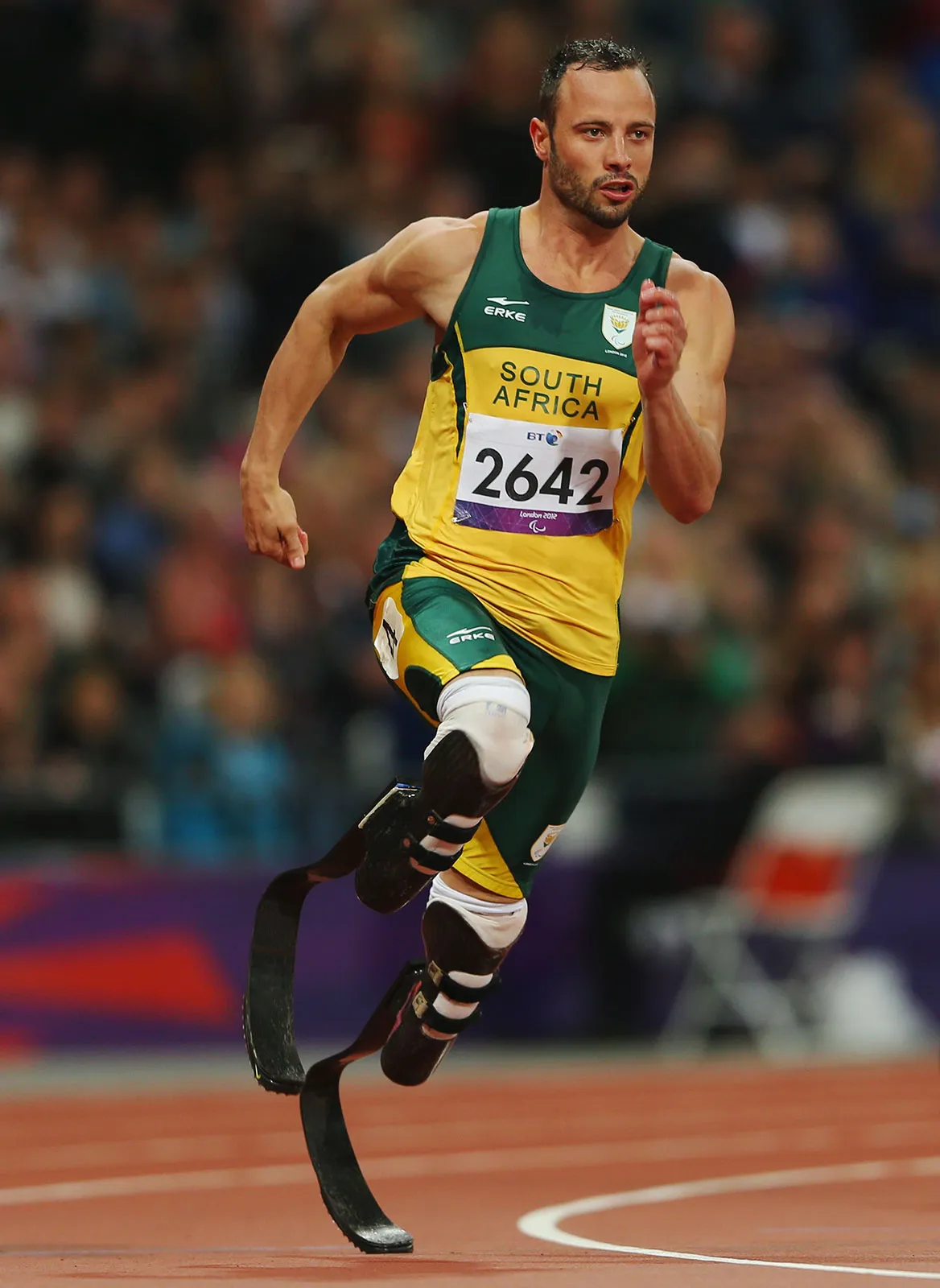
Oscar Pistorius, born on November 22, 1986, in Pretoria, South Africa, is a figure who gained global recognition both for his extraordinary athletic achievements and for his subsequent involvement in a tragic and highly publicized criminal case. This article delves into the life of Pistorius, exploring his rise to fame, his struggles, and the controversies that marked his life.
Early Life and Background
Oscar Pistorius was born with a severe congenital condition that affected both of his lower legs, which led to the amputation of his feet when he was just 11 months old. Despite this significant physical challenge, Pistorius grew up with a passion for sports, engaging in various athletic activities during his adolescence, including rugby and water polo. His transition to track and field came after a rugby injury led to a recommendation that he take up running as part of his rehabilitation.
The Journey to Becoming a World-Class Athlete
Pistorius’ journey to becoming a world-class athlete began when he started running with the aid of prosthetic limbs known as “Cheetah Flex-Foot” blades. These prosthetics, made from carbon fiber, allowed him to run with remarkable speed and agility. Pistorius’ early successes on the track caught the world’s attention, particularly when he competed in the 2004 Paralympic Games in Athens, where he won a bronze medal in the 100 meters and a gold medal in the 200 meters.
His athletic prowess earned him the nickname “Blade Runner,” a reference to the futuristic appearance of his prosthetic limbs and his incredible speed. Pistorius set world records for amputee athletes in the 100 meters, 200 meters, and 400 meters, solidifying his status as one of the most exceptional athletes in the world.
The Battle to Compete Against Able-Bodied Athletes
One of the defining moments of Pistorius’ career was his fight to compete against able-bodied athletes in the Olympics. In 2007, Pistorius was invited to compete in the Golden Gala event in Rome, where he raced in the 400 meters against able-bodied athletes. His performance in this race was impressive, but his journey to the Olympics was met with significant challenges.
The International Association of Athletics Federations (IAAF) initially ruled that Pistorius could not compete in the 2008 Beijing Olympics, arguing that his prosthetics gave him an unfair advantage. This decision was based on biomechanical tests that suggested his blades provided more than a 30% mechanical advantage over athletes without prosthetics. However, Pistorius appealed this decision to the Court of Arbitration for Sport, which eventually ruled in his favor, allowing him to compete in able-bodied events.
Although Pistorius did not qualify for the 2008 Olympics, his perseverance paid off when he finally competed in the 2012 London Olympics. There, he made history as the first amputee sprinter to compete in the Olympic Games, running in the 400 meters and the 4×400 meters relay. His participation in these events was a groundbreaking moment in sports history, symbolizing the breaking down of barriers between disabled and able-bodied athletes.
The Downfall: The Tragic Incident on Valentine’s Day 2013
While Pistorius’ athletic achievements were remarkable, his life took a dark turn on February 14, 2013. On this day, Pistorius shot and killed his girlfriend, Reeva Steenkamp, in his home in Pretoria. Pistorius claimed that he had mistaken Steenkamp for an intruder, but his account of the events was met with skepticism by the prosecution and the public.
The incident led to a highly publicized trial that captivated global audiences. Pistorius was initially found guilty of culpable homicide (equivalent to manslaughter) but was later convicted of murder on appeal. He was sentenced to a lengthy prison term, marking a dramatic fall from grace for the once-celebrated athlete.
The Legacy of Oscar Pistorius
Oscar Pistorius’ life is a study in contrasts. On the one hand, he is celebrated for his incredible achievements as a Paralympic athlete and his role in challenging perceptions of what disabled athletes can achieve. His determination to compete on the world stage, despite his physical limitations, inspired millions and set new standards in sports.
On the other hand, his involvement in the tragic death of Reeva Steenkamp and the subsequent legal proceedings have left a lasting stain on his legacy. Pistorius’ story is a reminder of the complexities of human nature, where extraordinary talent can coexist with deep personal flaws.
Historical Context and Cultural Impact
Pistorius’ rise to fame and his subsequent fall have occurred within a broader cultural and historical context. The early 2000s saw significant advances in prosthetic technology, allowing athletes like Pistorius to push the boundaries of what was previously thought possible. His fight to compete in the Olympics was not just a personal struggle but also a reflection of the broader societal debates about inclusivity, fairness, and the definition of athletic ability.
The media’s portrayal of Pistorius before and after the tragic incident in 2013 also highlights the power of celebrity culture and the public’s fascination with the rise and fall of prominent figures. Pistorius’ case is often discussed in the context of other high-profile athletes who have faced legal troubles, adding another layer to the discussion about the pressures of fame and the challenges of maintaining a public image.
The Continuing Debate on Technology and Fairness in Sports
Pistorius’ case has also fueled ongoing debates about the role of technology in sports. The controversy over whether his prosthetics provided him with an unfair advantage has implications beyond his personal story. As technology continues to evolve, the question of how to ensure fair competition in sports remains a hotly debated topic. The balance between allowing technological innovation and maintaining a level playing field is one of the key challenges facing sports organizations today.
Conclusion
Oscar Pistorius is a complex figure whose life story offers both inspiration and caution. His achievements as an athlete broke barriers and challenged conventional wisdom about disability and sports. However, his involvement in the death of Reeva Steenkamp and the subsequent legal battles have overshadowed his athletic legacy.
Pistorius’ life serves as a powerful reminder of the potential for human achievement and the dangers of personal downfall. His story continues to resonate, prompting discussions about technology, fairness, and the nature of celebrity in the modern world.


