
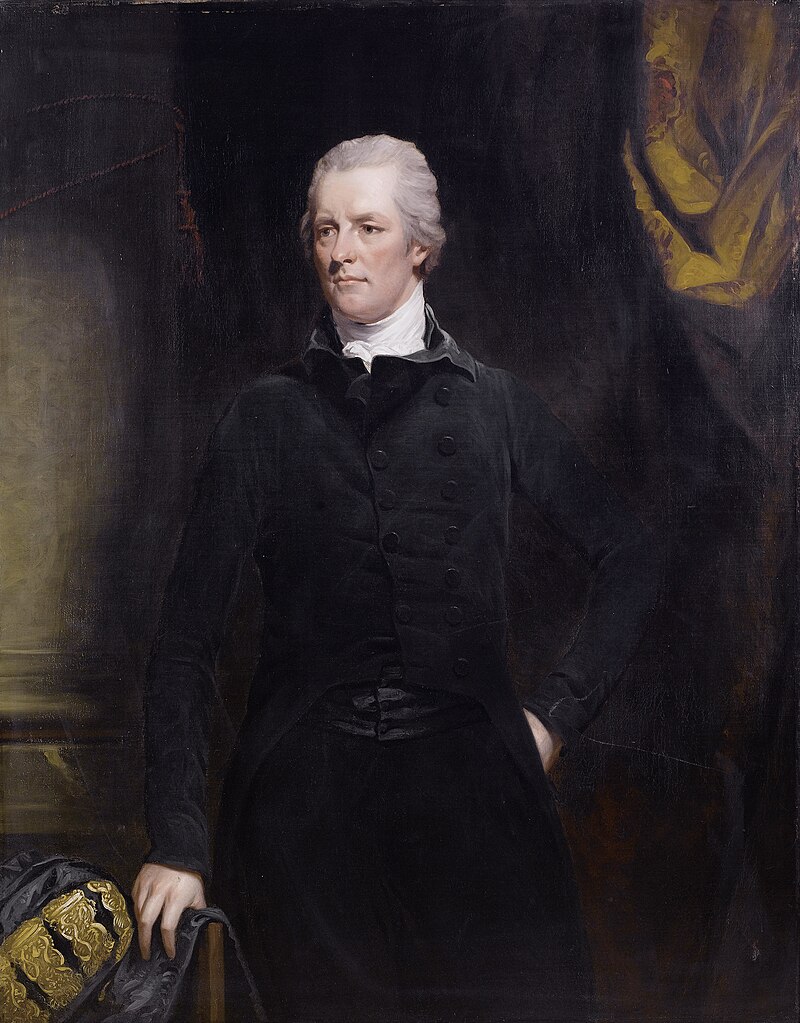
William Pitt the Younger is a name that resonates with the history of British politics in the late 18th and early 19th centuries. Born on May 28, 1759, in Hayes, Kent, England, Pitt’s political career was marked by extraordinary achievements, including his tenure as the youngest Prime Minister in British history. His influence on the British government, especially during a period of intense international turmoil and domestic challenges, is profound and lasting.
Early Life and Background
William Pitt the Younger was born into a family with a rich political legacy. His father, William Pitt the Elder, was a prominent statesman and served as Prime Minister, earning the title of Earl of Chatham. Growing up in such an environment, Pitt was exposed to the intricacies of politics from a young age. His education at the University of Cambridge, where he studied classics and law, further honed his intellectual capabilities and prepared him for the world of politics.
Pitt’s early life was marked by his frail health, but this did not hinder his pursuit of knowledge or his ambitions. His academic brilliance was evident, and he quickly developed a reputation as a skilled orator and a keen political thinker. These qualities would soon propel him into the highest echelons of British politics.
Entry into Politics
William Pitt the Younger’s political career began in earnest in 1781 when he was elected as a Member of Parliament for the borough of Appleby. At just 22 years old, he was already making his mark, aligning himself with the Whigs, a political faction that opposed the policies of King George III. However, Pitt’s political journey was not confined to party lines. He soon found himself at odds with the leading Whig, Charles James Fox, and gradually shifted his allegiance towards the Tories.
Pitt’s opposition to the ongoing American Revolutionary War was one of the defining stances of his early career. He believed that the war was a costly mistake, and his views were eventually vindicated when Britain was forced to recognize the independence of the United States. This stance, along with his formidable oratory skills, positioned him as a rising star in British politics.
The Youngest Prime Minister
In 1782, at the age of 23, Pitt was appointed Chancellor of the Exchequer in the government led by Lord Shelburne. This role marked the beginning of his rapid ascent to power. Just a year later, in 1783, King George III invited Pitt to form a government, making him the youngest Prime Minister in British history at the age of 24.
Pitt’s initial years as Prime Minister were challenging. He faced a hostile Parliament, dominated by the Fox-North Coalition, which sought to undermine his government. However, Pitt’s resilience and political acumen allowed him to survive multiple attempts to oust him from office. His perseverance paid off in 1784 when he secured a decisive victory in the general election, establishing a strong Tory government.
Economic Reforms and the Foundation of the Industrial Revolution
One of Pitt’s most significant contributions to British history was his work on economic reform. When he took office, Britain was reeling from the financial strain of the American War of Independence. The national debt had soared, and the economy was in dire need of stabilization. Pitt recognized the urgency of the situation and implemented a series of reforms aimed at restoring fiscal stability.
Pitt’s economic policies were innovative and forward-thinking. He introduced measures to reduce the national debt, including the creation of a sinking fund to gradually pay off government liabilities. He also reformed the tax system, introducing new taxes on luxury goods such as wine and spirits, which increased government revenue without placing undue burden on the poorer classes.
These economic reforms not only stabilized Britain’s finances but also laid the groundwork for the Industrial Revolution. By fostering a stable economic environment, Pitt created the conditions necessary for industrial growth, which would soon transform Britain into the world’s leading industrial power.
Foreign Policy and the French Revolutionary Wars
Pitt’s tenure as Prime Minister coincided with a period of unprecedented international upheaval. The French Revolution, which began in 1789, posed a significant threat to the established order in Europe. Initially, Pitt adopted a cautious approach, hoping to avoid British involvement in the conflict. However, the execution of King Louis XVI in 1793 and the subsequent rise of revolutionary France as an aggressive power forced Pitt to take a more active stance.
Pitt’s government declared war on France in 1793, marking the beginning of a series of conflicts known as the French Revolutionary Wars. These wars would dominate European politics for the next two decades and eventually merge into the Napoleonic Wars. Pitt was instrumental in forming a series of coalitions with other European powers to counter the French threat. His leadership during this period was marked by a determination to preserve British interests and maintain the balance of power in Europe.
Pitt’s foreign policy was not without its challenges. The wars placed enormous strain on Britain’s resources, leading to economic difficulties and social unrest at home. However, Pitt’s ability to navigate these challenges and maintain Britain’s position as a leading power in Europe is a testament to his political skill and resilience.
The Union with Ireland and Domestic Challenges
One of the most contentious issues during Pitt’s tenure was the question of Ireland. The Irish Parliament, dominated by Protestant landowners, resisted reforms that would grant greater rights to the Catholic majority. Inspired by the American and French revolutions, Irish nationalists began agitating for independence, leading to a series of uprisings.
Pitt recognized that the situation in Ireland posed a significant threat to British stability. In response, he pursued the Act of Union, which was passed in 1800 and came into effect in 1801. The Act merged the Kingdom of Ireland with the Kingdom of Great Britain, creating the United Kingdom of Great Britain and Ireland. The Union was intended to bring Ireland under closer British control and prevent further uprisings.
However, Pitt’s efforts to address the grievances of Irish Catholics by granting them political rights were thwarted by King George III, who opposed any concessions to Catholics. This disagreement led to Pitt’s resignation in 1801, as he felt unable to continue in office without addressing the Catholic question.
Return to Power and Final Years
Pitt’s time out of office was brief. In 1804, with the renewal of hostilities with France, he was recalled as Prime Minister. His second term in office was dominated by the continuing struggle against Napoleonic France. Pitt worked tirelessly to strengthen Britain’s defenses and forge alliances with other European powers to resist Napoleon’s expansionist ambitions.
One of the most significant events during Pitt’s second term was the Battle of Trafalgar in 1805, where the British Navy, under the command of Admiral Horatio Nelson, secured a decisive victory over the French and Spanish fleets. This victory ensured British naval supremacy and prevented any possibility of a French invasion of Britain.
Despite this success, Pitt’s health, which had always been fragile, began to deteriorate rapidly. The pressures of office, combined with the toll of years of political and economic struggle, took a severe toll on him. William Pitt the Younger died on January 23, 1806, at the age of 46. His death marked the end of an era in British politics.
Legacy and Historical Significance
William Pitt the Younger’s legacy is one of immense significance in British history. His contributions to economic reform, his leadership during a period of international crisis, and his role in shaping the modern British state have left an enduring impact.
Pitt is often credited with laying the foundations for Britain’s dominance in the 19th century. His economic policies helped stabilize the nation after the financial strains of the American War of Independence and positioned Britain as a leading industrial power. His foreign policy efforts, particularly in forming alliances against France, were crucial in containing the spread of revolutionary and Napoleonic influence in Europe.
However, Pitt’s legacy is also marked by controversy. His handling of domestic issues, particularly in Ireland, has been criticized for its failure to address the underlying causes of unrest. His government’s repressive measures against political dissent and restrictions on civil liberties have also been subjects of historical debate.
Despite these controversies, William Pitt the Younger remains a towering figure in British political history. His ability to navigate the complex and often treacherous waters of 18th-century politics, his vision for Britain’s future, and his dedication to public service have earned him a place among the great statesmen of his time.
The Broader Historical Context
To fully understand William Pitt the Younger’s impact, it is essential to consider the broader historical context of his life and career. The late 18th and early 19th centuries were a time of profound change in Europe and the wider world. The American and French revolutions challenged established political and social orders, leading to a period of intense ideological conflict.
Pitt’s tenure as Prime Minister occurred at a time when Britain was grappling with these challenges. His ability to maintain stability at home while navigating the complexities of international relations was a remarkable achievement. His efforts to preserve Britain’s global influence during a period of unprecedented upheaval helped shape the course of British and European history.
Pitt’s life and career also highlight the challenges faced by leaders in times of crisis. His tenure was marked by constant pressure, both from external threats and internal divisions. Yet, he remained steadfast in his commitment to his principles and his vision for Britain.
Conclusion
William Pitt the Younger was a statesman of extraordinary ability and vision. His contributions to British politics, economics, and foreign policy have left a lasting legacy that continues to be felt today. As the youngest Prime Minister in British history, he navigated some of the most challenging periods in the nation’s history with skill and determination.
Pitt’s life is a testament to the power of intellect, perseverance, and a deep commitment to public service. His legacy, though complex and sometimes controversial, remains an integral part of British history. In reflecting on his life and achievements, we gain a deeper understanding of the challenges and triumphs that shaped the modern world.


