
Introduction
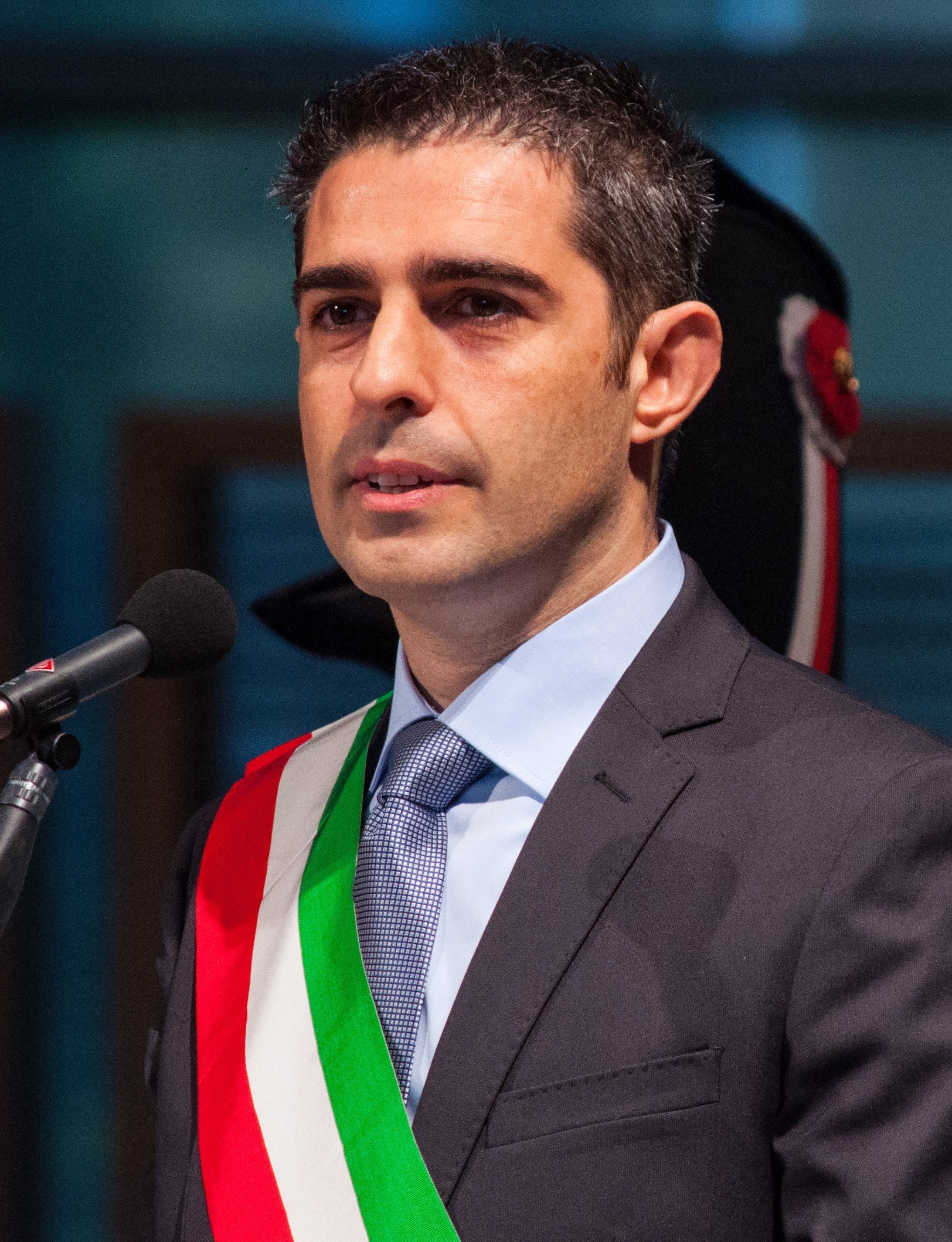
Federico Pizzarotti, born on October 7, 1973, in Parma, Italy, is a significant figure in contemporary Italian politics. Rising to prominence as the first mayor from the Five Star Movement (Movimento Cinque Stelle, M5S) to govern a provincial capital, Pizzarotti’s career has been marked by both groundbreaking achievements and notable controversies. His journey from a technology consultant to a key player in Italy’s political landscape provides a compelling narrative of ambition, resilience, and adaptability. In this comprehensive exploration, we delve into the life, career, and enduring influence of Federico Pizzarotti, examining his contributions to politics, his challenges, and his legacy.
Early Life and Education
Federico Pizzarotti was born and raised in the historic city of Parma, known for its rich cultural heritage and culinary excellence. From a young age, Pizzarotti exhibited a diverse range of interests. He was particularly passionate about judo, a sport he practiced for ten years, which instilled in him discipline and a strong sense of perseverance. Alongside his athletic pursuits, Pizzarotti developed a keen interest in technology, specifically in computers, which would later influence his professional career.
After completing his education at the “Primo Levi” Institute, a vocational school specializing in industry and craftsmanship with an electronic focus, Pizzarotti entered the workforce. He initially took on roles as a consultant for financial institutions and banks, where he honed his skills in information and communication technology (ICT). This experience not only solidified his technical expertise but also provided him with a unique perspective on the intersection of technology and business.
Early Career and Entry into Politics
Federico Pizzarotti’s early career was marked by a blend of technical work and creative endeavors. While working in the ICT sector, he also nurtured a passion for theater, performing with various local companies in Parma, including the renowned Famija Pramzana. This theatrical experience likely contributed to his later ability to engage with the public and communicate effectively, qualities that would serve him well in his political career.
Pizzarotti’s foray into politics began in 2009 when he joined the nascent Five Star Movement, founded by comedian Beppe Grillo and web strategist Gianroberto Casaleggio. The M5S was gaining momentum as a populist movement advocating for direct democracy, environmental sustainability, and anti-corruption measures. Pizzarotti was drawn to the movement’s ideals and quickly became an active participant.
In 2010, Pizzarotti made his first attempt at public office by running for a seat as a regional councilor in Emilia-Romagna. Although his campaign was unsuccessful, it marked the beginning of his political journey and provided him with valuable experience in navigating the complexities of electoral politics.
Rise to Prominence: Mayor of Parma
The turning point in Federico Pizzarotti’s political career came in 2012 when he decided to run for mayor of Parma. The city had recently experienced a political crisis, with the previous center-right mayor, Pietro Vignali, resigning amid corruption scandals that left the city in financial turmoil. The atmosphere of disillusionment among the electorate created an opportunity for a fresh and untainted candidate like Pizzarotti.
Running as the M5S candidate, Pizzarotti faced significant challenges. His opponent, Vincenzo Bernazzoli, was a seasoned politician from the center-left Democratic Party and the incumbent president of the Province of Parma. In the first round of voting, Pizzarotti secured just under 20% of the vote, trailing Bernazzoli, who garnered over 39%. However, the second round of voting produced a surprising result. Pizzarotti won with over 60% of the vote, becoming the first mayor from the Five Star Movement to lead a provincial capital.
Challenges and Controversies
Federico Pizzarotti’s tenure as mayor was characterized by both significant accomplishments and considerable challenges. One of his early initiatives was the implementation of a smart grid system designed to reduce waste and promote energy self-sufficiency in Parma. This project was part of his broader vision to modernize the city’s infrastructure and make it more environmentally sustainable.
However, Pizzarotti’s administration soon faced a major controversy that tested his leadership. One of his key campaign promises had been to prevent the construction of a waste incinerator in Parma, a project that was deeply unpopular among many residents. Despite his efforts, Pizzarotti was unable to halt the project, leading to widespread criticism from both his supporters and opponents. This issue highlighted the difficulties of governing within the constraints of existing contracts and legal obligations, and it marked a turning point in Pizzarotti’s relationship with the M5S.
Departure from the Five Star Movement
By 2016, tensions between Federico Pizzarotti and the leadership of the Five Star Movement had reached a breaking point. The M5S had become increasingly centralized under the leadership of Beppe Grillo, and Pizzarotti, known for his independent streak, often found himself at odds with the party’s direction. The final straw came when Pizzarotti was suspended from the M5S over a dispute regarding the appointment of cultural officials in Parma. Frustrated with the party’s lack of transparency and internal democracy, Pizzarotti announced his departure from the movement in October 2016.
Pizzarotti’s exit from the M5S marked a significant moment in his career. While it alienated him from the movement that had initially propelled him to power, it also allowed him to chart his own path as a more centrist and pragmatic politician. His decision to leave the M5S underscored his commitment to governing based on principles rather than party loyalty, a stance that earned him respect from various quarters.
Later Career and Political Evolution
After leaving the Five Star Movement, Federico Pizzarotti continued to serve as mayor of Parma, now as an independent. His administration focused on fiscal responsibility, urban regeneration, and enhancing the quality of life for Parma’s residents. Pizzarotti’s pragmatic approach to governance, which often involved collaborating with a wide range of political actors, distinguished him from the more populist and confrontational style of the M5S.
In 2017, Pizzarotti was re-elected as mayor of Parma, this time running with the support of a civic list rather than a political party. His victory was seen as an endorsement of his leadership and a testament to his ability to connect with voters on local issues. Under his leadership, Parma gained recognition for its cultural initiatives and was named the Italian Capital of Culture for 2020.
Pizzarotti’s political evolution continued as he began to engage with national politics. In 2019, he founded Italia in Comune, a centrist political movement that aimed to bring together local administrators from across Italy who shared a commitment to pragmatic and results-oriented governance. The movement sought to offer an alternative to the polarized nature of Italian politics and to focus on issues such as environmental sustainability, social justice, and digital innovation.
Legacy and Impact
Federico Pizzarotti’s legacy as a politician is multifaceted. As the first mayor from the Five Star Movement to govern a major Italian city, he played a crucial role in bringing the movement’s anti-establishment message to a broader audience. His success in Parma demonstrated that the M5S could translate its grassroots appeal into electoral victories, a lesson that would later inform the movement’s national strategy.
However, Pizzarotti’s eventual break with the M5S also highlighted the challenges of maintaining ideological purity while governing in the real world. His willingness to compromise and adapt to the demands of office, even when it meant clashing with his party, reflected a mature and pragmatic approach to leadership.
In many ways, Pizzarotti’s career can be seen as a microcosm of the broader evolution of Italian politics in the 21st century. His rise from a political outsider to a respected mayor and national figure mirrors the trajectory of many populist movements that have emerged in response to widespread dissatisfaction with traditional parties. Yet, unlike some of his contemporaries, Pizzarotti chose a path of moderation and collaboration, positioning himself as a bridge between the populist and centrist forces in Italian politics.
Conclusion
Federico Pizzarotti’s journey from a technology consultant to a prominent political leader is a story of resilience, adaptability, and a deep commitment to public service. His tenure as mayor of Parma, marked by both successes and setbacks, offers valuable lessons in the complexities of governance and the importance of staying true to one’s principles even in the face of adversity.
As he continues to influence Italian politics through his work with Italia in Comune and other initiatives, Pizzarotti remains a key figure to watch. His ability to navigate the ever-changing political landscape, combined with his focus on practical solutions and long-term planning, makes him a unique and influential voice in Italy’s public life.


