
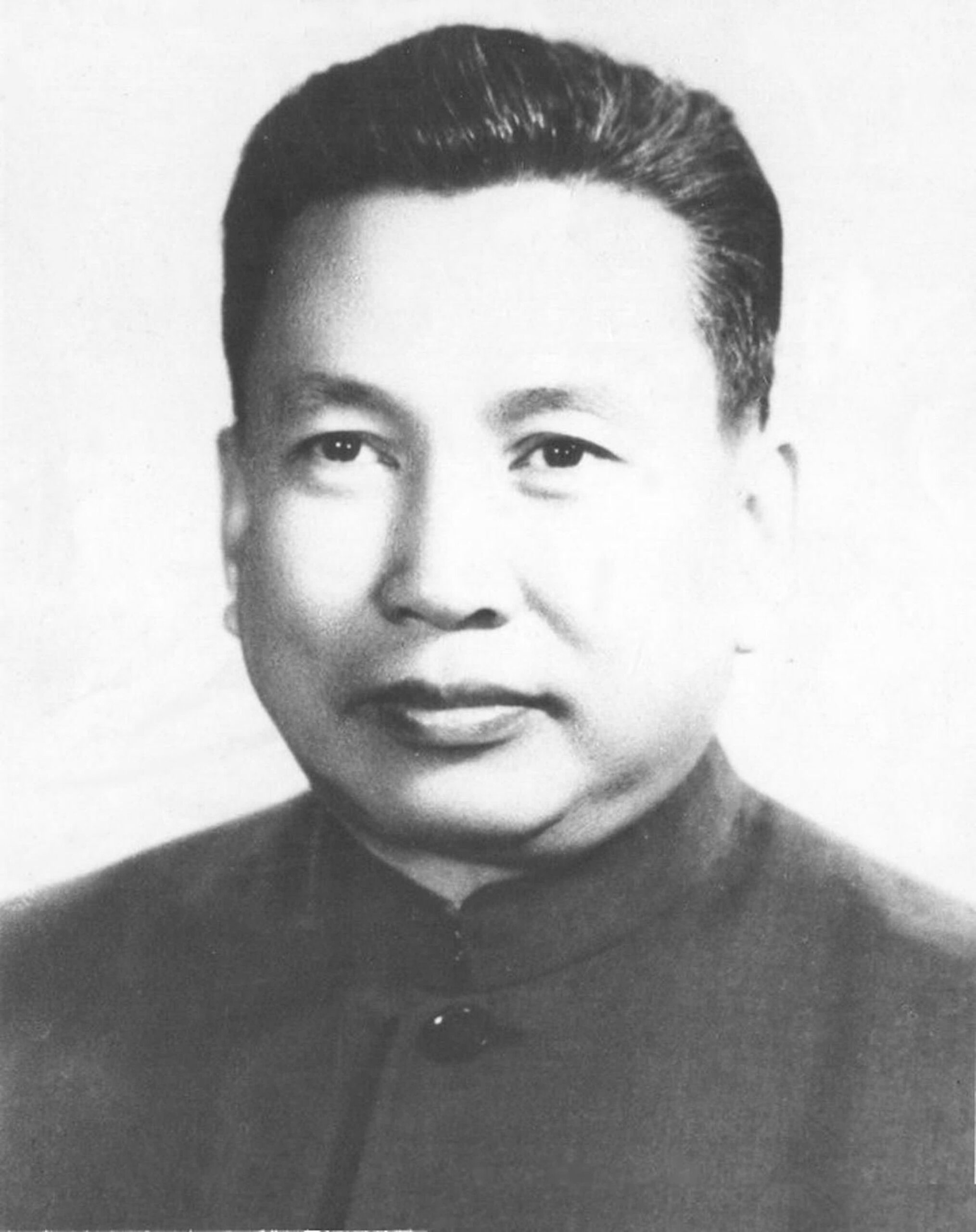
Pol Pot remains one of the most infamous figures of the 20th century, known for his role in leading Cambodia through one of the darkest periods in its history. His life, leadership, and the impact of his regime have left an indelible mark on both Cambodian and global history. This comprehensive examination delves into his early life, rise to power, and the legacy of his rule.
Early Life and Background
Pol Pot was born Saloth Sar on May 19, 1925, in Prek Sbauv, a small village in the Kompong Thom province of Cambodia. He was born into a relatively affluent family, his father being a rice farmer and his mother a homemaker. Saloth Sar’s early years were marked by a traditional rural upbringing, but his academic journey took him far from his origins.
In 1949, Pol Pot left Cambodia to study in Paris, France. During his time in France, he was exposed to communist ideologies and Marxist-Leninist theories, which profoundly influenced his future political beliefs. His experiences in Paris were pivotal, as they shaped his vision of radical social and political reform.
Rise to Power
Pol Pot’s political career began in the 1950s when he returned to Cambodia and became involved in communist activities. He joined the Communist Party of Cambodia, which later evolved into the Khmer Rouge. His early involvement with the Khmer Rouge was marked by a commitment to revolutionary ideals and an opposition to the existing political order.
By the 1960s, Pol Pot had risen to prominence within the Khmer Rouge, advocating for a radical overhaul of Cambodian society. His vision of a classless agrarian society, based on Marxist principles, was to become the cornerstone of his policies once he seized power. In 1975, following years of guerrilla warfare and political maneuvering, Pol Pot and the Khmer Rouge took control of Cambodia, establishing the Democratic Kampuchea regime.
The Khmer Rouge Regime
Pol Pot’s rule from 1975 to 1979 is often characterized by extreme brutality and widespread human rights abuses. His regime sought to transform Cambodian society through radical agricultural collectivization and the elimination of perceived enemies of the state. This period, known as the Khmer Rouge era, was marked by severe repression, forced labor, and widespread executions.
The Khmer Rouge implemented policies aimed at eradicating urban life, forcing millions of Cambodians into rural labor camps. Intellectuals, professionals, and perceived political opponents were systematically targeted and executed. The regime’s radical social engineering led to the deaths of an estimated 1.7 to 2 million people, a devastating loss in a country with a population of approximately 8 million at the time.
One of the most infamous aspects of Pol Pot’s regime was the establishment of the Tuol Sleng Genocide Museum (S-21), where thousands of Cambodians were tortured and executed. The museum, now a prominent site for learning about the Khmer Rouge’s atrocities, serves as a chilling reminder of the regime’s brutality.
Fall from Power and Aftermath
Pol Pot’s regime came to an end in 1979 when Vietnamese forces invaded Cambodia and overthrew the Khmer Rouge government. Pol Pot and other Khmer Rouge leaders fled to the remote jungle regions, where they continued to lead a guerrilla insurgency. Despite their continued resistance, the Khmer Rouge was significantly weakened, and Pol Pot’s influence diminished.
In 1997, Pol Pot was arrested by his own faction within the Khmer Rouge. He was placed under house arrest and faced charges related to the atrocities committed during his rule. However, he died on April 15, 1998, under mysterious circumstances, reportedly from a heart attack. His death marked the end of a tumultuous chapter in Cambodian history, but the scars of his regime’s brutality remain deeply ingrained in the country’s collective memory.
Legacy and Historical Impact
Pol Pot’s legacy is a subject of intense scrutiny and debate. His rule is widely regarded as one of the most brutal in modern history, characterized by a radical ideology that led to the mass murder and suffering of millions. The impact of his regime on Cambodian society was profound and far-reaching.
The Khmer Rouge era left Cambodia with a legacy of trauma and destruction. The country’s social fabric was severely disrupted, and the psychological scars of the genocide continue to affect survivors and their descendants. The international community has since recognized the atrocities committed during Pol Pot’s regime, leading to efforts to seek justice and provide support for survivors.
In addition to its impact on Cambodia, Pol Pot’s regime serves as a stark reminder of the dangers of radical political ideologies and authoritarian rule. The international community has studied the Khmer Rouge era extensively, seeking to understand the factors that led to such extreme violence and to prevent similar atrocities in the future.
Historical and Cultural Context
To fully understand Pol Pot’s impact, it’s essential to consider the historical and cultural context of Cambodia in the 20th century. The country was deeply influenced by the political upheavals and conflicts of the Cold War era. The rise of communist movements in Southeast Asia, coupled with the Vietnam War and regional instability, created an environment conducive to revolutionary ideologies.
Cambodia’s traditional society, characterized by agrarianism and a hierarchical structure, was profoundly disrupted by the radical policies of the Khmer Rouge. The regime’s attempt to dismantle urban society and enforce agrarian collectivization was a radical departure from Cambodia’s historical norms and had devastating consequences for its people.
Conclusion
Pol Pot’s life and leadership represent one of the darkest periods in modern history. His regime’s brutal policies and the resulting genocide left a lasting impact on Cambodia and the world. The study of Pol Pot’s life and the Khmer Rouge era provides valuable lessons about the dangers of radical ideologies and the importance of safeguarding human rights.
As Cambodia continues to recover from the legacy of Pol Pot’s rule, the international community remains committed to preserving the memory of the victims and promoting justice. The story of Pol Pot is a sobering reminder of the capacity for human cruelty and the enduring need for vigilance and compassion in the face of tyranny.
SEO Considerations
To optimize this article for search engines and ensure effective indexing:
- Keyword Density: Incorporate relevant keywords such as “Pol Pot,” “Khmer Rouge,” “Pol Pot biography,” and “Cambodian genocide” naturally throughout the text to enhance search engine visibility.
- Meta Description: Write a meta description that includes primary keywords and provides a concise summary of the article’s content to attract readers.
- Headings and Subheadings: Use clear, descriptive headings (H1, H2, H3) to structure the content and improve readability.
- Internal and External Links: Include links to authoritative sources and related articles to boost the article’s credibility and provide additional context.
- Alt Text for Images: If images are included, use descriptive alt text with relevant keywords to enhance image search results.
By following these SEO best practices and providing a detailed exploration of Pol Pot’s life and impact, this article will be well-optimized for search engines and offer valuable insights to readers.


