
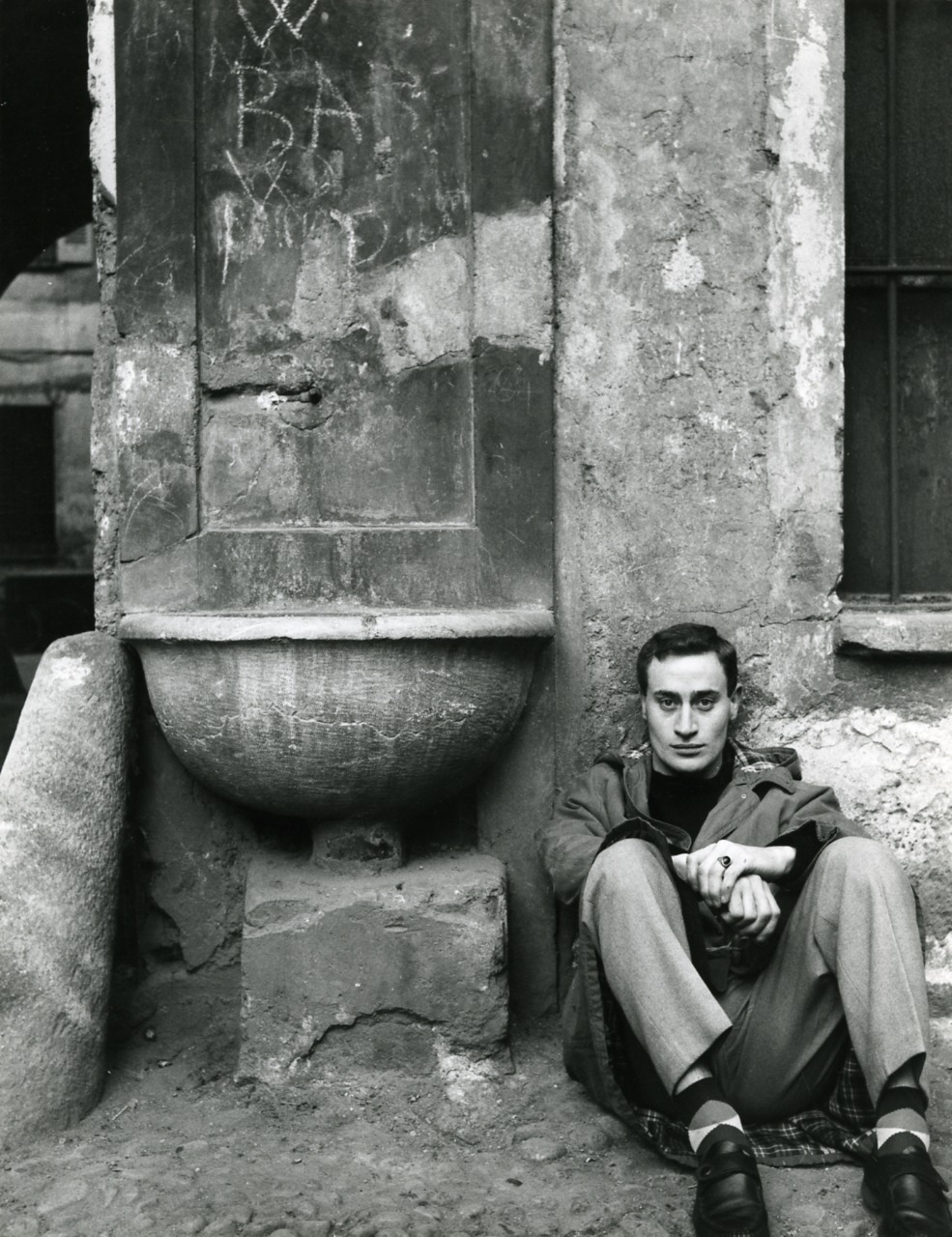
Giò Pomodoro, born on November 17, 1930, in Orciano di Pesaro, Italy, is celebrated as one of the most influential sculptors of the 20th century. His artistic legacy extends far beyond the boundaries of traditional sculpture, as his work encapsulates a deep exploration of form, space, and symbolism. This article delves into his life, career, and the profound impact he has had on the world of art, especially within the context of modern sculpture.
Early Life and Beginnings in Art
Giò Pomodoro was born into a family that would later become synonymous with artistic excellence. His older brother, Arnaldo Pomodoro, is also a renowned sculptor, and the two collaborated on several projects early in their careers. Growing up in the small town of Orciano di Pesaro, Giò was immersed in an environment that nurtured creativity and exploration.
His early foray into art was marked by a collaborative spirit, working alongside other prominent artists of the time such as Gastone Novelli, Giulio Turcato, Piero Dorazio, and Lucio Fontana. These collaborations were instrumental in shaping his artistic vision and technique, allowing him to develop a distinct style that would later define his career.
Artistic Evolution: From Painting to Sculpture
Although Giò Pomodoro is primarily known for his work as a sculptor, his artistic journey began with painting. The 1950s were a period of experimentation for him, during which he explored various mediums including scenography, jewelry design, and painting. This multidisciplinary approach allowed him to refine his understanding of form and space, which became central themes in his later sculptural works.
Pomodoro’s early sculptures were influenced by the informal art movement, focusing on the concept of the “sign” and its representation in space. His work from this period reflects a deep engagement with abstract forms and the materiality of sculpture, laying the groundwork for his later, more monumental pieces.
The Rational Representation of Signs: A New Direction
In the late 1950s, Giò Pomodoro began to move away from the informal art influences and towards a more structured, rational representation of signs. This shift marked a significant evolution in his artistic philosophy, leading him to explore themes of geometry, materiality, and the void.
One of the most notable aspects of Pomodoro’s work is his focus on the interplay between light and shadow, particularly in his large-scale sculptures. His pieces often feature large, empty spaces that allow light to pass through, creating dynamic interactions between the sculpture and its environment. This focus on light and space became a hallmark of his work, contributing to his reputation as a master of form and structure.
Monumental Works and Public Art
Giò Pomodoro is perhaps best known for his monumental sculptures, which can be found in public spaces around the world. These works are not only significant for their scale but also for their social and cultural resonance. Pomodoro believed that art should be accessible to the public and that it should engage with the social and historical context of its location.
One of his most famous works is the “Piano d’Uso Collettivo,” a monumental sculpture dedicated to the Italian Marxist philosopher Antonio Gramsci, located in Ales, Sardinia. This piece, like many of Pomodoro’s public works, is deeply symbolic, reflecting the ideological struggles and aspirations of its time.
Other notable public works include the “Teatro del Sole – 21 giugno,” the “Solstizio d’Estate” in Frankfurt, and the “Scala Solare – Omaggio a Keplero” in Tel Aviv. Each of these pieces reflects Pomodoro’s interest in celestial themes, with the sun being a recurring symbol in his work. The sun, in Pomodoro’s sculptures, represents not only a source of light and life but also a connection to the broader cosmos, a theme that resonates deeply in his artistic philosophy.
The “Sole Deposto” and its Symbolism
One of the most emblematic works of Giò Pomodoro is the “Sole Deposto,” a marble sculpture located in his hometown of Orciano di Pesaro. This piece is situated in the center of a square that Pomodoro himself designed, and it holds a special place in his oeuvre. The sculpture is accompanied by a verse from Giacomo Leopardi’s famous poem “L’infinito,” which reads, “Sempre caro mi fu quest’ermo colle” (This solitary hill has always been dear to me).
The “Sole Deposto” is more than just a tribute to Leopardi; it is a reflection of Pomodoro’s deep connection to his roots and his contemplation of the eternal. The sun, though not depicted explicitly, is a recurring symbol in Pomodoro’s work, representing both the passage of time and the infinite nature of the universe.
The Intersection of Art and Ideology
Giò Pomodoro’s work is characterized by its strong ideological underpinnings. His sculptures often engage with themes of social justice, human rights, and the collective memory of communities. This engagement is particularly evident in his works dedicated to historical figures like Antonio Gramsci and Galileo Galilei.
Pomodoro’s approach to art was deeply influenced by his political beliefs, which were shaped by the tumultuous social and political landscape of mid-20th century Italy. His works are not just aesthetic objects but also powerful statements on the role of art in society. They challenge viewers to think critically about the world around them and to engage with the deeper meanings embedded within the forms.
The Global Reach of Giò Pomodoro’s Art
Over the course of his career, Giò Pomodoro’s work gained international recognition, and his sculptures can now be found in some of the world’s most prestigious public and private collections. His art has been exhibited in major institutions, including the Hirshhorn Museum and Sculpture Garden in Washington, D.C., the Kunst und Museumverein in Wuppertal, Germany, and the Musée d’Ixelles in Brussels.
Pomodoro’s work is also part of several notable collections, such as the Nelson Rockefeller Collection in New York and the Yorkshire Sculpture Park in Wakefield, England. These international placements underscore the universal appeal of his work and its relevance across different cultures and contexts.
Later Years and Legacy
In his later years, Giò Pomodoro continued to create and exhibit his work, despite facing health challenges. He suffered a stroke a few months before his death but remained dedicated to his art until the very end. He passed away on December 21, 2002, in his studio in Milan, at the age of 72.
Pomodoro’s death marked the end of an era, but his legacy lives on through his monumental works and the impact he had on the field of sculpture. His contributions to art continue to be celebrated and studied, and his works remain a source of inspiration for new generations of artists.
The Enduring Influence of Giò Pomodoro
Giò Pomodoro’s influence on modern sculpture is undeniable. His innovative approach to form, his exploration of light and space, and his commitment to creating socially and politically engaged art have left a lasting impact on the world of art.
His works, particularly his monumental public sculptures, continue to resonate with audiences around the world. They are not only admired for their aesthetic qualities but also for the depth of meaning they convey. Pomodoro’s art invites viewers to reflect on the relationship between humanity and the cosmos, the role of ideology in art, and the power of sculpture to shape public spaces and collective memory.
Conclusion: A Life Dedicated to Art and Ideology
Giò Pomodoro’s life and career were characterized by a relentless pursuit of artistic excellence and a deep commitment to exploring the intersections of art, ideology, and public space. His works are a testament to the power of sculpture to transcend the boundaries of time and place, engaging with universal themes that continue to resonate today.
As we look back on his contributions to the world of art, it is clear that Giò Pomodoro was not just a sculptor but a visionary who used his art to explore the deepest questions of existence. His legacy is one of profound artistic innovation, ideological engagement, and a lifelong dedication to the pursuit of beauty and truth.
Pomodoro’s work will continue to inspire and challenge future generations of artists, ensuring that his influence on the world of sculpture will be felt for many years to come.


