
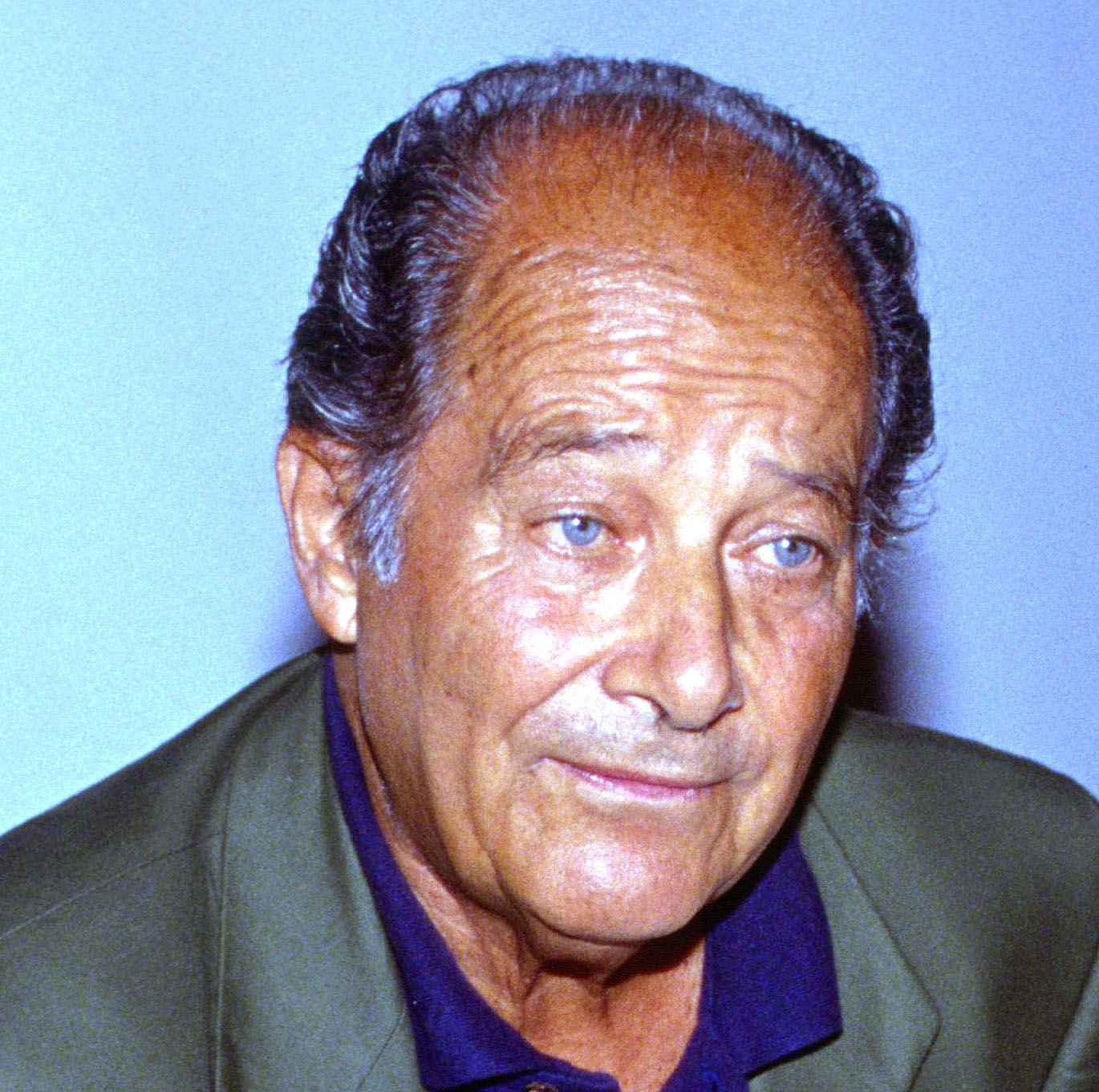
Gillo Pontecorvo, born on November 19, 1919, in Pisa, Italy, was an Italian filmmaker whose contributions to cinema have left an indelible mark on the industry. Best known for his powerful and politically charged films, Pontecorvo’s work is characterized by its documentary-style realism, deep commitment to social justice, and the use of cinema as a tool for political discourse. This article explores the life of Gillo Pontecorvo, his rise to fame, and the significant highlights of his career, delving into the historical context and nuances that shaped his work.
Early Life and Background
Gillo Pontecorvo was born into a Jewish family in Pisa. His father, a prominent businessman, provided a comfortable upbringing for Gillo and his siblings, including his older brother Bruno Pontecorvo, who would later become a renowned physicist. Despite the family’s affluence, the rise of fascism in Italy had a profound impact on Gillo’s early life. The oppressive political climate and the racial laws enacted against Jews in Italy during the 1930s played a significant role in shaping his worldview.
Pontecorvo initially pursued a degree in chemistry at the University of Pisa but soon found himself drawn to the world of journalism and politics. His interest in cinema, however, was sparked later, during his time in Paris, where he worked as a correspondent. There, he was exposed to the works of French filmmakers and the burgeoning Neorealism movement in Italy. A pivotal moment in his life came when he watched Roberto Rossellini’s Paisà (1946), a film that profoundly influenced his decision to pursue a career in filmmaking.
Early Career and Documentary Filmmaking
Before transitioning fully into cinema, Pontecorvo dabbled in acting, taking on small roles in films like Il sole sorge ancora (1946), a project funded and controlled by the Italian National Partisans Association (ANPI). This experience, coupled with his growing passion for film, led him to work as an assistant director for notable filmmakers like Yves Allégret and Joris Ivens in France and Steno and Mario Monicelli in Italy. These early experiences provided him with invaluable insights into the craft of filmmaking and the power of cinema to convey complex social and political messages.
Pontecorvo’s early work as a filmmaker began with documentaries, a genre that would greatly influence his later feature films. His documentaries, such as Pane e zolfo and Cani dietro le sbarre, showcased his commitment to social issues and his ability to capture the harsh realities of life with a raw and unfiltered lens. These projects laid the foundation for his later works, where he would blend documentary realism with narrative storytelling to create powerful cinematic experiences.
Breakthrough with La Grande Strada Azzurra
Pontecorvo’s first feature film, La Grande Strada Azzurra (1957), marked the beginning of his rise to prominence in the world of cinema. The film, based on the novel Squarciò by Franco Solinas, who would become a frequent collaborator, tells the story of a fisherman struggling against the harsh economic realities of life in a small coastal village. The film’s focus on social issues, combined with its vigorous and romantic storytelling, set the tone for Pontecorvo’s future works.
La Grande Strada Azzurra was well-received, winning an award at the Karlovy Vary International Film Festival. The film’s success helped establish Pontecorvo as a filmmaker capable of tackling complex social themes with nuance and sensitivity. It also marked the beginning of his long and fruitful collaboration with Franco Solinas, who would go on to write the screenplays for some of Pontecorvo’s most iconic films.
Kapò and the Transition to Political Cinema
Pontecorvo’s next major film, Kapò (1960), signaled his full transition into political cinema. Set in a Nazi concentration camp, the film tells the story of a young Jewish girl who becomes a kapo, a prisoner who is given authority over other inmates in exchange for special privileges. The film’s stark portrayal of the moral dilemmas faced by those in the camps, and its unflinching depiction of the horrors of the Holocaust, earned it critical acclaim and an Academy Award nomination for Best Foreign Language Film.
Kapò was controversial for its time, with some critics arguing that it was inappropriate to dramatize the Holocaust in such a manner. However, Pontecorvo’s intention was not to sensationalize the tragedy but to explore the complex moral issues that arose in such extreme circumstances. The film’s focus on individual choices and the moral compromises people are forced to make in dire situations became a recurring theme in Pontecorvo’s later work.
The Battle of Algiers and International Acclaim
The pinnacle of Pontecorvo’s career came with the release of The Battle of Algiers (1966), a film that remains one of the most influential political films ever made. Shot in a gritty, documentary style, the film recounts the urban guerilla warfare between Algerian insurgents of the National Liberation Front (FLN) and the French colonial forces during the Algerian War of Independence.
What set The Battle of Algiers apart was Pontecorvo’s decision to eschew traditional narrative techniques and instead adopt a quasi-documentary approach, using non-professional actors and handheld cameras to create a sense of immediacy and realism. The film’s intense, almost journalistic portrayal of the conflict, complete with harrowing scenes of violence and torture, resonated with audiences and critics alike.
The film was awarded the Golden Lion at the Venice Film Festival and received two Academy Award nominations for Best Director and Best Original Screenplay. However, it was also highly controversial, particularly in France, where it was banned for several years due to its depiction of French military brutality.
The Battle of Algiers is often studied in film schools for its innovative techniques and its complex portrayal of political violence. It is also considered a masterclass in the use of cinema as a tool for political expression, offering a balanced view of the conflict by showing the humanity and brutality on both sides.
Queimada and the Exploration of Colonialism
Following the success of The Battle of Algiers, Pontecorvo turned his attention to the theme of colonialism with Queimada (1969), also known as Burn!. The film, starring Marlon Brando, is set in the 19th century on a fictional Caribbean island and explores the complex relationship between a British agent and a slave revolt leader.
Queimada is a deeply political film that critiques the exploitative nature of colonialism and the manipulation of revolutionary movements by foreign powers. Brando’s performance as the cynical and morally ambiguous British agent was widely praised, and the film further solidified Pontecorvo’s reputation as a filmmaker unafraid to tackle difficult and controversial subjects.
Although Queimada did not achieve the same level of success as The Battle of Algiers, it remains an important work in Pontecorvo’s filmography, showcasing his continued commitment to exploring the dynamics of power, oppression, and resistance.
Later Career and Legacy
After Queimada, Pontecorvo took a decade-long hiatus from feature filmmaking, returning in 1979 with Ogro, a film about the assassination of Spanish Prime Minister Luis Carrero Blanco by the Basque separatist group ETA. Starring Gian Maria Volonté, the film delved into the complexities of terrorism and political violence, themes that had been central to Pontecorvo’s earlier work.
In addition to his feature films, Pontecorvo also directed several documentaries and short films throughout his career. Notably, he revisited the themes of The Battle of Algiers in the 1992 documentary Return to Algiers, which explored the city’s political landscape decades after the events depicted in his iconic film.
Pontecorvo’s contributions to cinema were recognized not only through the awards and accolades he received but also through his influence on future generations of filmmakers. His work has inspired directors such as Steven Spielberg, Oliver Stone, and Paul Greengrass, all of whom have drawn upon Pontecorvo’s techniques and themes in their own films.
In 1992, Pontecorvo was appointed as the director of the Venice Film Festival, a position he held until 1996. During his tenure, he championed the work of young filmmakers and continued to advocate for the use of cinema as a medium for social and political change.
Conclusion
Gillo Pontecorvo’s legacy is that of a filmmaker who used cinema as a means to explore and challenge the social and political issues of his time. His commitment to realism, his innovative techniques, and his willingness to tackle controversial subjects have made him one of the most important figures in the history of political cinema.
From Kapò to The Battle of Algiers and beyond, Pontecorvo’s films continue to be relevant today, offering powerful insights into the dynamics of power, resistance, and the human condition. His work serves as a reminder of the potential of cinema not just to entertain, but to provoke thought, inspire change, and bear witness to the struggles of those who fight for justice and freedom.
Gillo Pontecorvo passed away on October 12, 2006, in Rome, leaving behind a body of work that continues to resonate with audiences around the world. His films remain a testament to the power of storytelling and the enduring impact of cinema as an art form.


