
Introduction
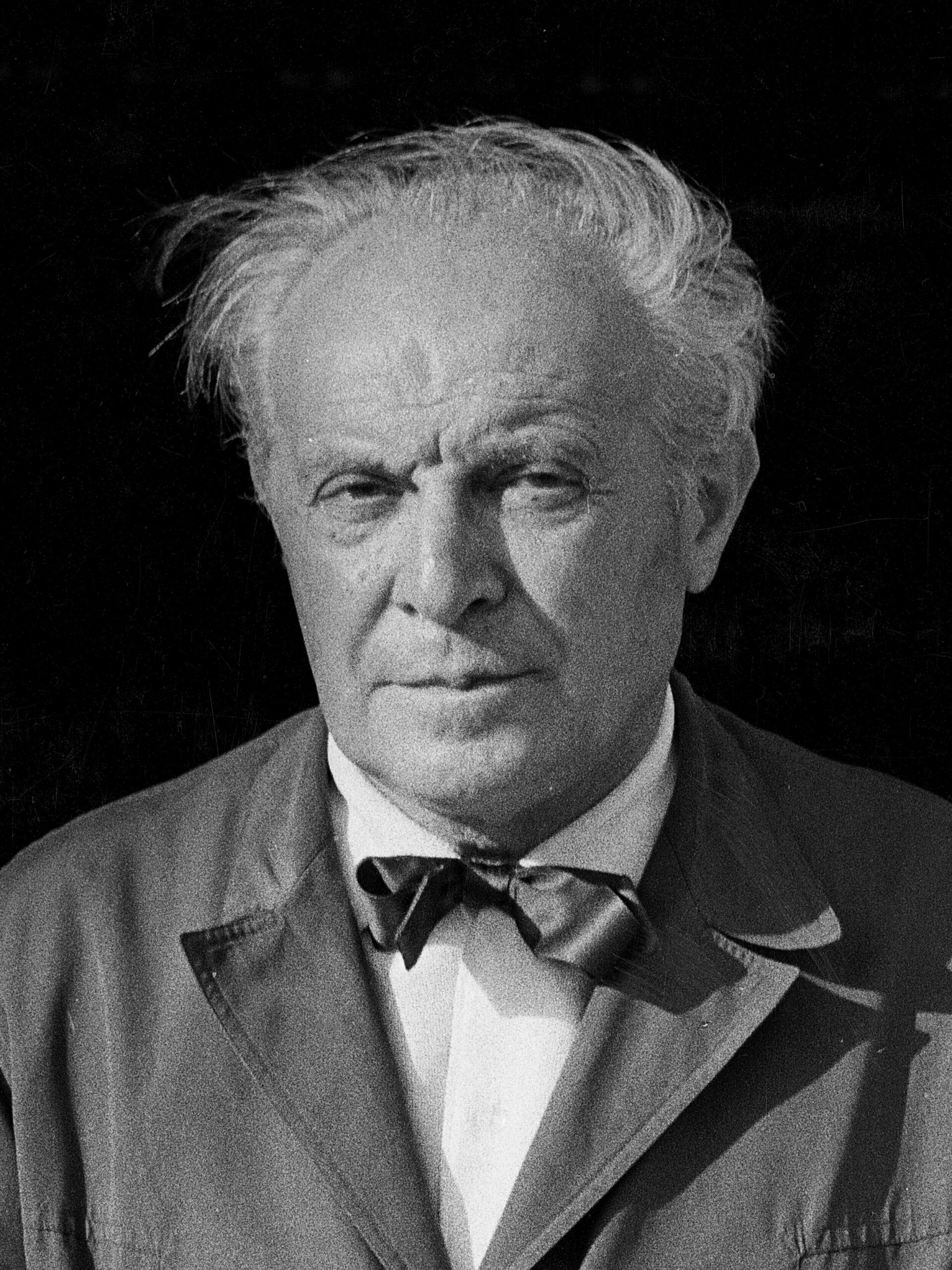
Gio Ponti, born Giovanni Ponti on November 18, 1891, in Milan, Italy, was a visionary architect, designer, and artist who profoundly influenced 20th-century design and architecture. Known for his eclectic approach, blending traditional and modern elements, Ponti’s work spanned multiple disciplines, including industrial design, furniture, and urban planning. His career, which lasted more than six decades, left an indelible mark on the global design landscape, making him one of the most revered figures in the world of architecture and design.
Early Life and Education
Gio Ponti was born into a middle-class family in Milan, a city known for its rich cultural heritage and vibrant arts scene. His early education was disrupted by World War I, where he served in the Italian army. After the war, Ponti returned to Milan and pursued a degree in architecture at the Politecnico di Milano, graduating in 1921. This period was marked by a burgeoning interest in modernism, a movement that would significantly influence his work.
Ponti’s early exposure to classical architecture during his studies, combined with the avant-garde movements sweeping Europe, laid the foundation for his unique style. He was deeply influenced by the integration of art, craft, and architecture, a concept that would become a hallmark of his career.
The Beginnings of a Stellar Career
After earning his degree, Ponti quickly made a name for himself in the architectural community. In 1923, he participated in the Biennale di Arti Decorative in Monza, an event that showcased his early design work and helped him establish connections within the industry. Around this time, Ponti also began collaborating with Emilio Lancia, another prominent Milanese architect, and the two opened a studio together in 1926.
Ponti’s work during the 1920s was characterized by a revival of classical forms, which he reinterpreted through a modern lens. This period also marked the beginning of his association with the ceramics manufacturer Richard Ginori, where he served as the artistic director. Ponti revolutionized the company’s approach to industrial design, blending traditional craftsmanship with contemporary aesthetics. His work for Richard Ginori earned him the “Gran Prix” at the 1925 Paris Exposition, a significant achievement that solidified his reputation as a leading designer.
The Founding of Domus and Expansion into Publishing
In 1928, Gio Ponti founded the influential design magazine Domus, which quickly became a central platform for discussing architecture, design, and the applied arts. Domus reflected Ponti’s belief in the unity of all forms of artistic expression, from architecture to industrial design, and provided a space for him to promote his ideas on modernism and design. The magazine became a critical voice in shaping 20th-century design and remains a leading publication in the field to this day.
During the 1930s, Ponti’s career continued to flourish as he expanded his practice to include furniture design, interior design, and even stage design. His work during this period was marked by an increasing embrace of modern materials and forms, moving away from the neoclassical influences of his early career. Ponti’s designs were characterized by their elegance, functionality, and innovative use of materials, which set them apart from the more rigid modernist approaches of his contemporaries.
Architectural Masterpieces and International Recognition
The 1950s and 1960s were arguably the most prolific and influential decades of Gio Ponti’s career. During this time, he created some of his most iconic works, blending artistic creativity with engineering prowess. His design philosophy was centered on the idea of creating environments that were both functional and beautiful, where architecture and interior design worked together to enhance the human experience.
One of Ponti’s most famous works from this period is the Pirelli Tower in Milan, completed between 1955 and 1958. The skyscraper, standing 120 meters tall, was a pioneering example of modernist architecture in Italy. The building’s slender, tapering form and innovative use of concrete, designed in collaboration with structural engineer Pier Luigi Nervi, made it a landmark of post-war architecture. The Pirelli Tower, affectionately known as the “Pirellone” by Milanese locals, remains one of the tallest concrete buildings in the world and a symbol of Milan’s modernization.
Another significant project was the second Montecatini Building, completed in 1951, also in Milan. This building reflected Ponti’s ongoing interest in integrating art and architecture, with meticulously designed interiors that featured custom-made furniture, lighting, and decorative elements. Ponti’s work during this time was not confined to Italy; he also undertook numerous international projects, further cementing his reputation as a global design leader.
Pedagogy and Influence on Future Generations
In addition to his architectural and design work, Gio Ponti was a dedicated educator. In 1936, he accepted a position as a professor of architecture at the Politecnico di Milano, a role he held until 1961. Through his teaching, Ponti influenced a generation of architects and designers, sharing his vision of an integrated approach to design that combined functionality with artistic expression.
Ponti’s influence extended beyond the classroom through his continued involvement with Domus and other design publications. He used these platforms to advocate for design that was not only modern but also accessible and human-centered. His writings and teachings emphasized the importance of considering the needs and experiences of users, a principle that remains central to design education today.
Late Career and Continued Innovation
Even in the later stages of his career, Gio Ponti continued to push the boundaries of design and architecture. The 1960s and 1970s saw him exploring new forms and materials, as well as experimenting with modular and prefabricated designs. His work during this period included significant religious commissions, such as the Church of San Francesco in Milan (1964) and the Concattedrale di Taranto (1970). These projects showcased Ponti’s ability to blend modernist principles with spiritual and cultural considerations, creating spaces that were both innovative and deeply resonant.
Ponti’s later work also included the design of iconic furniture pieces, such as the Superleggera chair, which became a symbol of Italian modernism. Designed in 1957, the Superleggera was a marvel of engineering and design, weighing only 1.7 kilograms but remaining incredibly sturdy. The chair’s minimalist aesthetic and functional design have made it a timeless piece, still produced and admired today.
Legacy and Lasting Impact
Gio Ponti passed away on September 16, 1979, in Milan, leaving behind a legacy that continues to inspire architects, designers, and artists around the world. His work is celebrated for its innovation, elegance, and the seamless integration of different artistic disciplines. Ponti’s influence can be seen in everything from the skyscrapers of modern cities to the design of everyday objects, and his commitment to the idea that good design should enhance life remains a guiding principle in the field.
Ponti’s approach to architecture and design was holistic, considering not just the form and function of a building or object, but also its impact on the people who would use it. This human-centered approach has had a lasting impact on the field of design, influencing how designers think about the relationship between people and the spaces and objects they interact with.
Today, Gio Ponti’s work is celebrated in exhibitions, books, and academic studies, and his designs continue to be produced and sold around the world. The Gio Ponti Archives, established by his family, work to preserve and promote his legacy, ensuring that future generations can learn from and be inspired by his work.
Conclusion: The Enduring Influence of Gio Ponti
Gio Ponti was a true polymath, whose work spanned architecture, design, publishing, and education. His ability to blend traditional and modern elements, coupled with his commitment to innovation and functionality, made him one of the most influential figures in 20th-century design. Ponti’s legacy is not just in the buildings and objects he created, but in the ideas he championed—ideas that continue to shape the fields of architecture and design today.
Ponti’s life and work remind us of the importance of creativity, curiosity, and a willingness to experiment. His designs were not just about aesthetics; they were about creating environments that enriched people’s lives. As we continue to explore the possibilities of design in the 21st century, Gio Ponti’s work remains a vital source of inspiration, demonstrating the enduring power of good design to transform the world around us.


