
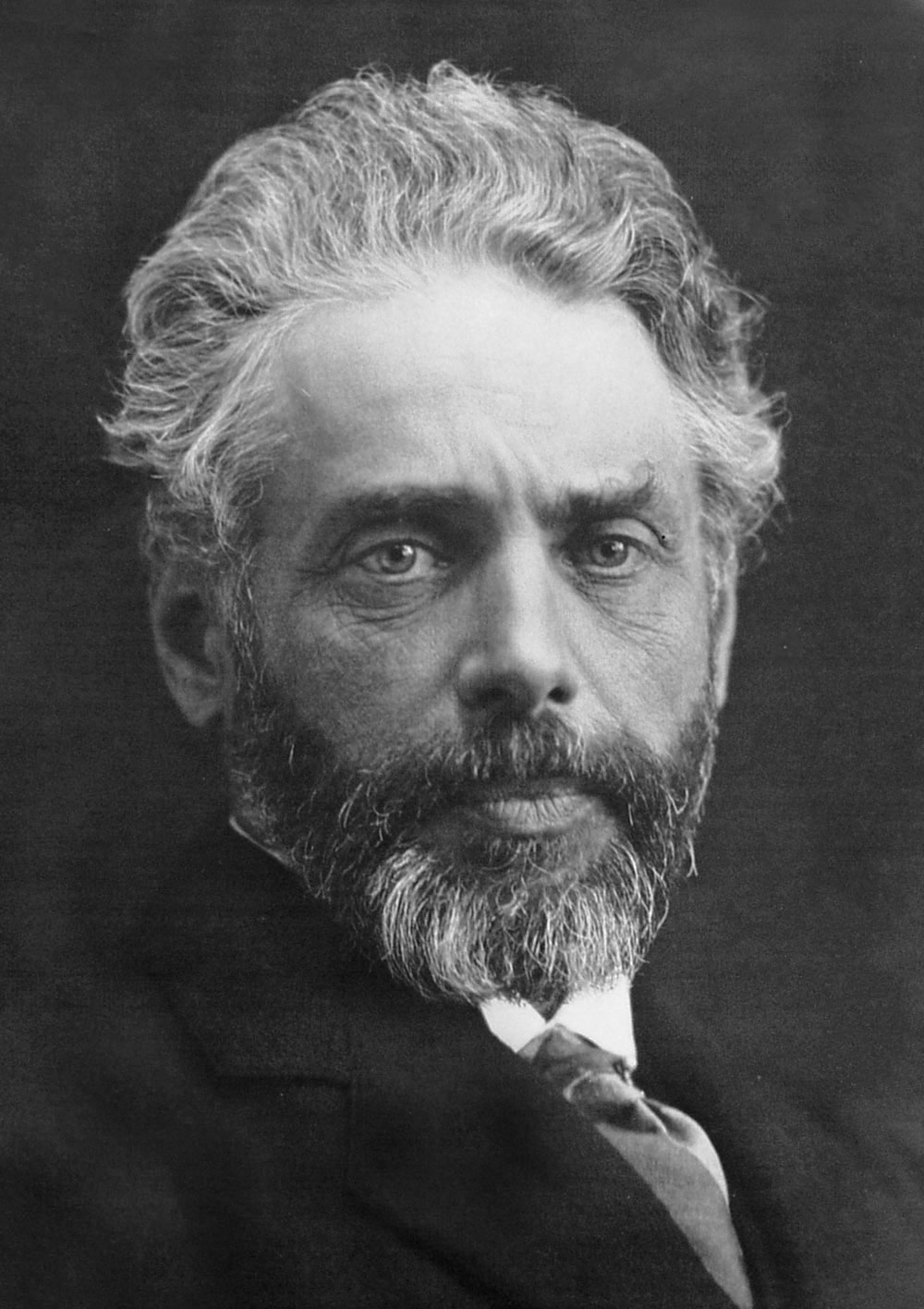
Henrik Pontoppidan stands as a monumental figure in Danish literature, celebrated for his profound contributions and distinctive voice. His work, characterized by its depth and reflection on Danish society, has earned him a revered place in literary history. This article provides an in-depth exploration of Henrik Pontoppidan’s life, achievements, and the enduring impact of his work.
Early Life and Background
Henrik Pontoppidan was born on July 24, 1857, in Copenhagen, Denmark, into a middle-class family. His upbringing in the capital city exposed him to a burgeoning intellectual and cultural environment that significantly shaped his worldview. Pontoppidan’s early education was marked by a keen interest in literature and the arts, and his experiences during these formative years would later influence his writing.
Pontoppidan’s familial background was relatively modest, and his father, a baker, had high hopes for him. Despite the pressure to enter more conventional professions, Pontoppidan’s passion for literature prevailed. His initial forays into writing were influenced by the literary trends of the time, including realism and naturalism, which sought to depict life with greater authenticity and social critique.
Educational and Professional Beginnings
Pontoppidan began his formal education at the University of Copenhagen, where he studied theology. However, his true calling lay in literature rather than religion. During his university years, Pontoppidan engaged with contemporary literary movements and developed a critical perspective on Danish society and culture. This period of intellectual growth laid the groundwork for his future works.
His debut as a writer came with the publication of his first novel, “Det forjættede Land” (The Promised Land), in 1891. This work introduced Pontoppidan’s unique narrative style and his ability to intertwine personal and social themes. His early novels established him as a rising literary talent and set the stage for his subsequent works.
Rise to Fame
Henrik Pontoppidan’s literary career gained significant momentum with the publication of his novel “Lykke-Per” (Lucky Per) in 1898. This novel, a seminal work in Danish literature, chronicles the life of Per Sidenius, a young man striving for success and grappling with the conflicts between personal ambition and societal expectations. “Lykke-Per” received widespread acclaim for its innovative narrative techniques and its exploration of complex themes such as identity, ambition, and social class.
Pontoppidan’s reputation continued to grow with his subsequent works, including “De Dødes Rige” (The Kingdom of the Dead) and “Muldvarpen” (The Mole). These novels further solidified his status as a major literary figure and showcased his ability to address social issues with depth and nuance.
Major Works and Contributions
Pontoppidan’s body of work is characterized by its exploration of Danish society, its critique of social norms, and its innovative narrative techniques. Some of his most notable works include:
-
“Lykke-Per” (Lucky Per): This novel is perhaps Pontoppidan’s most celebrated work. It follows the ambitious Per Sidenius as he navigates the challenges of achieving personal success while dealing with societal constraints. The novel’s exploration of themes such as individualism and societal expectations reflects Pontoppidan’s keen insight into the human condition.
-
“De Dødes Rige” (The Kingdom of the Dead): This novel presents a critical examination of Danish society and explores the concept of death and the afterlife. Pontoppidan’s portrayal of the complexities of life and death demonstrates his literary prowess and his ability to address profound philosophical questions.
-
“Muldvarpen” (The Mole): This work is a satirical novel that critiques the bourgeois society of Denmark. Through its incisive commentary and sharp wit, Pontoppidan provides a reflection on the social and political landscape of his time.
Pontoppidan’s contributions to literature extend beyond his novels. His short stories, essays, and plays further illustrate his versatility as a writer and his commitment to exploring diverse themes. His works remain influential and continue to be studied for their literary merit and social commentary.
Personal Life and Legacy
Henrik Pontoppidan’s personal life was marked by both triumphs and challenges. He married Marie Pontoppidan, with whom he had three children. Despite his success as a writer, Pontoppidan faced periods of financial difficulty and personal struggles. These experiences influenced his writing and added depth to his portrayal of human experiences.
Pontoppidan’s legacy is enduring and significant. In 1917, he was awarded the Nobel Prize in Literature, recognizing his exceptional contributions to literature. The Nobel Prize affirmed his status as a leading literary figure and highlighted the global impact of his work.
His influence extends beyond literature, as his works have been adapted into various forms, including film and theater. Pontoppidan’s exploration of social issues and his innovative narrative techniques continue to resonate with contemporary audiences, ensuring his place in the literary canon.
Historical and Cultural Context
Understanding Pontoppidan’s work requires an appreciation of the historical and cultural context of Denmark during his lifetime. The late 19th and early 20th centuries were a period of significant social and political change in Denmark. The transition from a rural to an industrial society brought about shifts in social norms and values, which Pontoppidan critically examined in his writing.
Pontoppidan’s work reflects the tensions of this era, including the conflict between traditional values and modernity. His novels often address the challenges faced by individuals in navigating societal expectations and personal aspirations. This exploration of societal issues, combined with his innovative literary techniques, places Pontoppidan at the forefront of Danish literature.
Conclusion
Henrik Pontoppidan’s life and work offer a compelling narrative of literary achievement and social critique. His contributions to literature, marked by a deep understanding of human nature and societal issues, have earned him a lasting place in the literary world. From his early beginnings in Copenhagen to his recognition as a Nobel laureate, Pontoppidan’s journey is a testament to his talent and dedication. His works continue to be celebrated for their insight, innovation, and relevance, ensuring his legacy endures for future generations.
SEO Considerations
To ensure this article ranks well on search engines and meets SEO standards:
- Keyword Density: Incorporate relevant keywords such as “Henrik Pontoppidan,” “Danish literature,” “Nobel Prize in Literature,” and “Henrik Pontoppidan biography” throughout the article. Maintain a natural flow to avoid keyword stuffing.
- Meta Description: Craft a meta description that includes primary keywords and highlights the article’s main points, encouraging clicks.
- Headings and Subheadings: Use clear and descriptive headings (H1, H2, H3) to structure the content and improve readability.
- Internal and External Links: Include links to authoritative sources and related content to enhance the article’s credibility and provide additional value to readers.
- Alt Text for Images: If including images, use descriptive alt text with relevant keywords to improve image search visibility.
By adhering to these SEO practices and providing a detailed exploration of Henrik Pontoppidan’s life and career, this article will offer valuable insights and engage readers effectively.


