
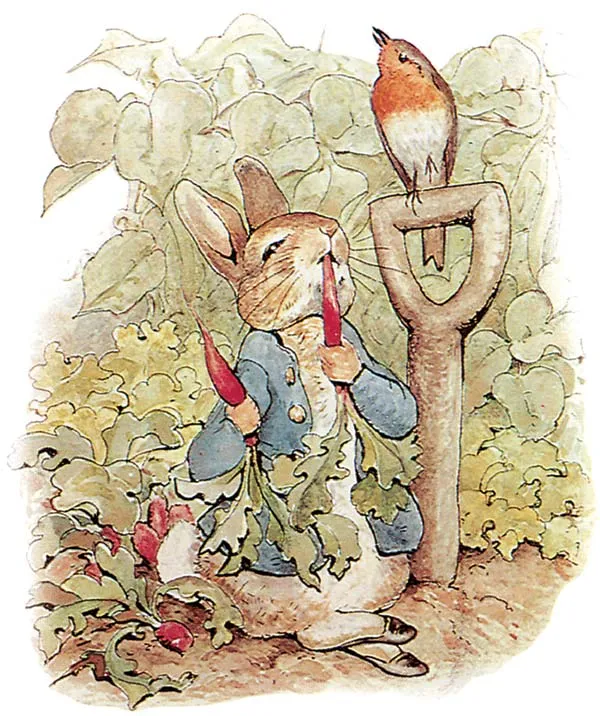
Beatrix Potter, born Helen Beatrix Potter on July 28, 1866, in South Kensington, London, is one of the most beloved and influential figures in children’s literature. Her works, most notably “The Tale of Peter Rabbit,” have become timeless classics, capturing the imaginations of generations of readers. Potter’s life was marked by her extraordinary talents as a writer, illustrator, and natural scientist, as well as her dedication to land conservation in England’s Lake District. This comprehensive exploration of her life and legacy delves into the nuances of her achievements, her impact on literature and conservation, and the historical context that shaped her work.
Early Life and Influences
Beatrix Potter was born into a wealthy and socially prominent family. Her father, Rupert William Potter, was a barrister, and her mother, Helen Leech Potter, was from a family of successful cotton merchants. Despite their wealth, the Potter family lived a rather secluded life. Beatrix and her younger brother, Bertram, were primarily raised by governesses, as was common in upper-class Victorian families. This isolation fostered Beatrix’s deep connection with nature and her love for animals, which would become central themes in her work.
A Solitary Childhood: Beatrix Potter’s childhood was marked by a lack of interaction with other children. Her brother, Bertram, was sent away to boarding school, leaving Beatrix alone in the family’s large home. To combat the loneliness, she immersed herself in drawing and studying the animals she kept as pets, including frogs, salamanders, ferrets, and her beloved rabbits, Benjamin and Peter. These early experiences with animals laid the foundation for the characters that would later populate her stories.
Summers in the Lake District: Every summer, the Potter family would retreat to the Lake District, a region known for its natural beauty and as a haven for Romantic poets like William Wordsworth and Samuel Taylor Coleridge. It was here that Beatrix developed a deep appreciation for the countryside, influenced by local figures like Canon Hardwicke Rawnsley, a clergyman and conservationist who would later play a significant role in the founding of the National Trust. Rawnsley’s teachings on the importance of preserving the natural environment deeply resonated with Beatrix and influenced her later efforts in land conservation.
Early Career and Struggles
Despite her obvious talents, Beatrix Potter faced significant obstacles in pursuing a professional career. The societal norms of Victorian England limited the opportunities available to women, particularly in scientific fields. Beatrix was an avid student of nature, particularly fungi, and she produced detailed and accurate illustrations of various species. However, her contributions to the field of mycology (the study of fungi) were largely dismissed by the male-dominated scientific community.
Rejection by the Royal Society: Beatrix Potter’s uncle attempted to secure her a position as a student at the Royal Botanic Gardens at Kew, but she was rejected on the grounds of her gender. Despite this setback, Potter continued to study and illustrate fungi, producing a collection of over 270 watercolors that are still revered for their scientific accuracy and artistic quality. These illustrations are housed at the Armitt Library in Ambleside, England. In a further slight, the Royal Society of London refused to publish her scientific papers, again due to her gender. Nevertheless, she found some success in giving lectures at the London School of Economics, where her work was appreciated by a small, but discerning, audience.
The Birth of Peter Rabbit: Frustrated by the limitations placed on her scientific ambitions, Beatrix turned to writing and illustrating children’s books. In 1901, she self-published her first book, “The Tale of Peter Rabbit,” after facing rejections from multiple publishers. The story was based on a letter she had written to the children of her former governess, containing whimsical illustrations of her pet rabbit, Peter. The initial print run of 250 copies quickly sold out, catching the attention of Frederick Warne & Co., who offered to publish the book professionally. By the end of 1902, “The Tale of Peter Rabbit” had sold 28,000 copies, marking the beginning of Beatrix Potter’s successful career as a children’s author.
Literary Success and Independence
The success of “The Tale of Peter Rabbit” was just the beginning of Beatrix Potter’s literary career. Over the next several years, she wrote and illustrated a series of beloved children’s books, each featuring her signature anthropomorphic animals and set against the backdrop of the English countryside.
Continued Success: Following the success of Peter Rabbit, Beatrix published “The Tale of Squirrel Nutkin” (1903) and “The Tailor of Gloucester” (1903), both of which were met with widespread acclaim. These books, along with subsequent works like “The Tale of Benjamin Bunny” (1904) and “The Tale of Jemima Puddle-Duck” (1908), solidified her reputation as one of the most popular children’s authors of her time. Her stories were celebrated for their charming characters, detailed illustrations, and gentle moral lessons, all of which appealed to both children and their parents.
Financial Independence: The royalties from her books allowed Beatrix Potter to achieve a level of financial independence that was unusual for women of her social class. This newfound wealth enabled her to purchase Hill Top Farm in Near Sawrey, a village in the Lake District. Here, she began to live out her dream of a simple, rural life, far removed from the social expectations of her London upbringing.
Personal Life and Later Years
Beatrix Potter’s personal life was marked by both joy and tragedy. In 1905, she became engaged to her publisher, Norman Warne, but their happiness was short-lived. Warne died suddenly of leukemia just a month after their engagement. Devastated by his death, Beatrix retreated to the countryside, where she found solace in her work and the natural beauty of the Lake District.
Marriage and Conservation: At the age of 47, Beatrix Potter married William Heelis, a local solicitor, in 1913. The couple settled in the Lake District, where Beatrix became deeply involved in the conservation movement. Using the wealth she had amassed from her books, Beatrix began purchasing land in the Lake District to protect it from development. Her efforts, along with those of her husband and Canon Rawnsley, helped to preserve large areas of the region’s natural beauty, and she eventually bequeathed over 4,000 acres of land to the National Trust.
Later Literary Works: Despite her busy life as a landowner and conservationist, Beatrix continued to write and illustrate children’s books. However, her output slowed in the 1920s as she increasingly devoted her time to farming and conservation. Her last major work, “The Tale of Little Pig Robinson,” was published in 1930, capping off a career that had produced 23 books and left an indelible mark on children’s literature.
Legacy and Cultural Impact
Beatrix Potter’s influence extends far beyond her beloved children’s books. She was a pioneer in both literature and conservation, and her legacy continues to resonate in various fields.
Literary Legacy: Beatrix Potter’s stories have been translated into numerous languages and have sold millions of copies worldwide. Her characters, particularly Peter Rabbit, have become cultural icons, recognized and loved by children and adults alike. The timeless appeal of her work lies in its blend of whimsy, humor, and respect for the natural world. Her illustrations, with their meticulous attention to detail, continue to be celebrated as masterpieces of children’s art.
Impact on Conservation: In addition to her literary achievements, Beatrix Potter is remembered for her significant contributions to land conservation in the Lake District. Her efforts helped to preserve the region’s natural landscapes, ensuring that future generations could enjoy the same unspoiled beauty that inspired her work. The land she donated to the National Trust remains some of the most visited and cherished natural areas in the UK today.
Cultural Recognition: Beatrix Potter’s life and work have been the subject of numerous films, documentaries, and exhibitions. In 1971, “The Tales of Beatrix Potter,” a film adaptation of her stories, was released, followed by a BBC documentary, “The Tale of Beatrix Potter,” in 1982. The 2006 film “Miss Potter,” starring Renée Zellweger and Ewan McGregor, brought her story to a new generation, highlighting both her literary achievements and her personal struggles. Additionally, her scientific work, particularly her contributions to mycology, has gained recognition in recent years, with scholars acknowledging her as a pioneer in the field.
Enduring Appeal: The charm and appeal of Beatrix Potter’s work continue to endure. Her books are still in print, and Peter Rabbit remains a beloved character, inspiring everything from merchandise to animated television series. The Lake District, where she spent much of her life, has become a pilgrimage site for fans, who visit Hill Top and other locations associated with her life and work.
Conclusion
Beatrix Potter was a woman ahead of her time. As an author, illustrator, scientist, and conservationist, she broke through the constraints of her era to leave a lasting impact on the world. Her stories continue to delight and inspire, while her conservation efforts have preserved some of England’s most beautiful landscapes for future generations. Beatrix Potter’s legacy is one of creativity, perseverance, and a deep love for the natural world—qualities that continue to make her a beloved figure more than a century after her first book was published.
In reflecting on her life and work, it is clear that Beatrix Potter was not only a master storyteller but also a visionary who used her talents to make a meaningful difference in the world. Her contributions to literature and conservation have ensured that her name will be remembered for generations to come, making her one of the most enduring figures in both fields.


