
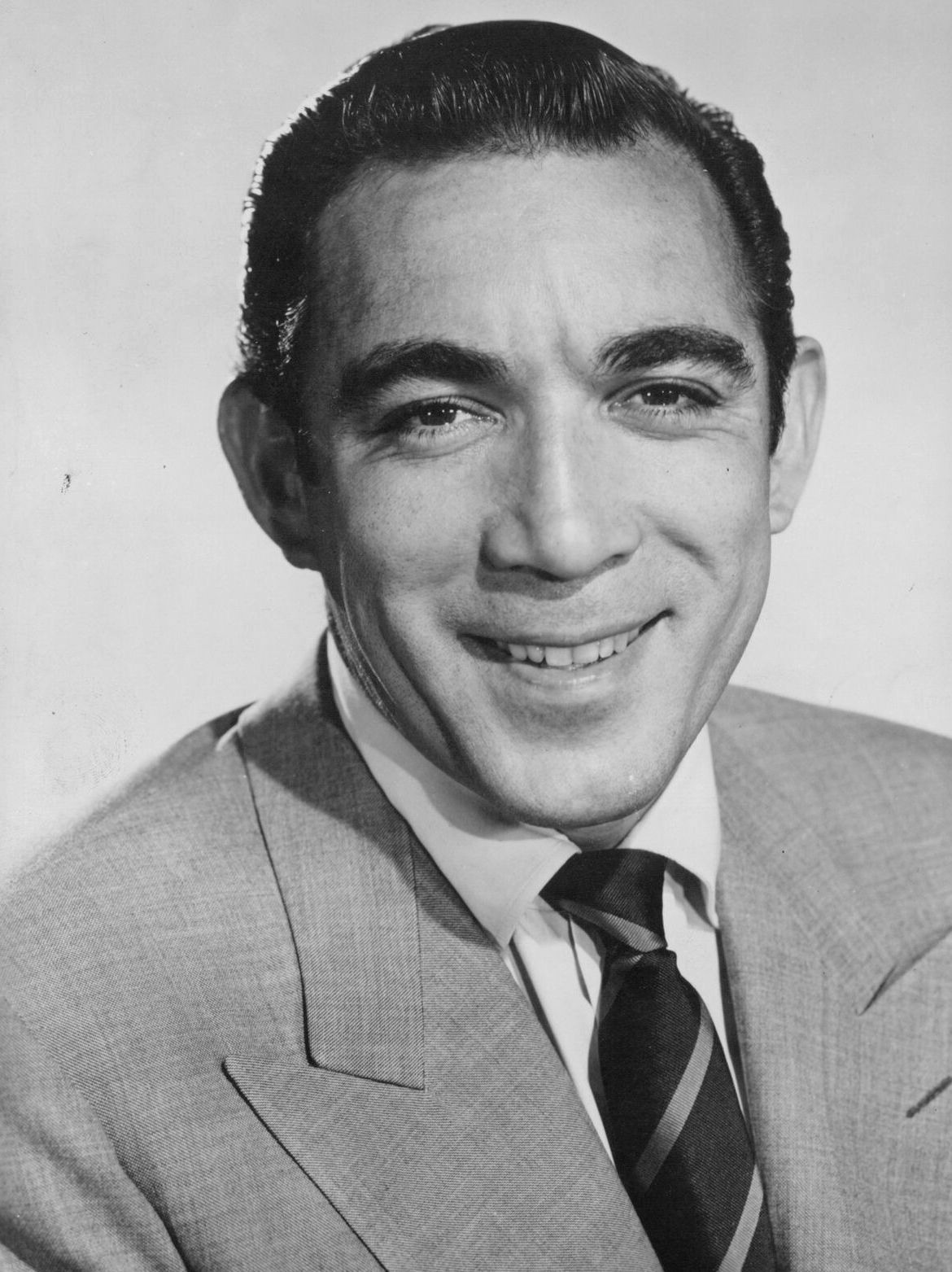
Anthony Quinn, born on April 21, 1915, in Chihuahua, Mexico, stands as a monumental figure in Hollywood history. His multifaceted career spanned over five decades, leaving an indelible mark on film, television, and theater. This article delves into his remarkable life, exploring his rise to fame, career highlights, and lasting legacy.
Early Life and Background
Anthony Quinn was born to a Mexican mother and an Irish father, a background that imbued him with a rich cultural heritage. His parents were involved in the Mexican Revolution, which set the stage for a life filled with turbulence and resilience. After moving to the United States, Quinn’s early years were marred by hardship. His father’s death in a car accident forced the young Quinn to support his family, including his mother, sister, and grandmother, through various odd jobs.
The early struggles did not deter Quinn; instead, they forged a path of perseverance and grit. He initially attempted to escape his challenging circumstances by considering a career as a merchant seaman. However, a chance encounter with a casting call redirected his life toward acting—a decision that would eventually reshape his destiny.
Breakthrough and Hollywood Success
Anthony Quinn’s entry into the film industry began with a role in “The Plainsman” (1936), where he played the Cheyenne warrior. This role marked the start of a prolific career in Hollywood. Despite the initial challenges, Quinn’s magnetic screen presence and robust acting skills quickly captured the attention of the film industry.
His breakthrough came with the role of the Mexican revolutionary leader in “Viva Zapata!” (1952), for which he won the Academy Award for Best Supporting Actor. This recognition was followed by another Oscar win for his portrayal of Paul Gauguin in “Lust for Life” (1956), a biopic about the life of Vincent van Gogh.
Major Films and Television Appearances
Quinn’s filmography is vast and varied, showcasing his ability to tackle a wide range of characters. His performance in “Zorba the Greek” (1964) is particularly memorable, where he played the exuberant title role, a performance that earned him an Academy Award nomination for Best Actor. The film itself became iconic for its celebration of life and human spirit, in large part due to Quinn’s vibrant portrayal.
Another notable film in Quinn’s career was “Lawrence of Arabia” (1962), where he portrayed Auda abu Tayi, a role that further cemented his status as a versatile actor capable of delivering powerful performances. His role in “The Guns of Navarone” (1961) also highlighted his aptitude for playing complex, larger-than-life characters.
Quinn’s contributions to television were also significant. He appeared in numerous TV shows and mini-series, showcasing his versatility and ability to adapt to different mediums. His television roles, combined with his film achievements, reflected his broad appeal and adaptability as an actor.
Later Years and Continued Influence
In the latter part of his career, Anthony Quinn continued to showcase his diverse talents. He ventured into lighter roles, such as in “Last Action Hero” (1993) and “Jungle Fever” (1991), where his comedic and dramatic abilities were on full display. These performances demonstrated his enduring relevance and ability to adapt to changing trends in the entertainment industry.
Quinn’s contributions were recognized with numerous accolades, including the Cecil B. DeMille Award for lifetime achievement in 1986. His autobiography, “The Original Sin: A Self-Portrait,” published later in his life, offered insights into his personal and professional journey, revealing the depth of his experiences and the complexities of his character.
Artistic Pursuits Beyond Acting
Beyond acting, Anthony Quinn was a passionate artist. His interests extended to painting and sculpture, where he found a creative outlet for his artistic expression. Quinn’s dedication to these arts highlighted his multifaceted talents and his desire to explore and contribute to different forms of creative expression.
His engagement with painting and sculpture became increasingly prominent in his later years, reflecting his belief in the importance of artistic exploration and personal growth. Quinn’s contributions to the arts, both on and off the screen, added another layer to his already impressive legacy.
Personal Life and Legacy
Anthony Quinn’s personal life was as rich and varied as his professional career. He fathered thirteen children, the last of whom was born when he was well into his later years. His family life was a central aspect of his identity, and he was often seen as a patriarchal figure within his large family.
Quinn’s health declined in his final years, and he passed away on June 3, 2001, at the age of 86, due to a respiratory failure complicated by heart problems. His death marked the end of a remarkable career, but his legacy continues through his films, television appearances, and artistic endeavors.
Anthony Quinn remains an iconic figure in Hollywood, known for his powerful performances and his ability to bring depth and authenticity to his roles. His career, spanning over fifty years, left a lasting impact on the entertainment industry and continues to influence actors and artists today.
Historical Context and Impact
Quinn’s career unfolded against the backdrop of significant historical and cultural changes. His roles in films like “Lawrence of Arabia” and “Zorba the Greek” were not only milestones in his career but also reflective of broader cultural movements and cinematic trends of their times. His ability to embody diverse characters from various backgrounds underscored his role in bridging cultural gaps and bringing international stories to a global audience.
Quinn’s influence extended beyond his acting career. His work in painting and sculpture, combined with his dynamic film roles, contributed to a broader understanding of artistic expression. His life story, marked by early hardship and later success, serves as an inspiring testament to resilience and creativity.
Conclusion: A Lasting Legacy
Anthony Quinn’s legacy is a rich tapestry of cinematic achievements and artistic contributions. From his early struggles to his rise as a Hollywood legend, Quinn’s life story is one of perseverance, talent, and impact. His performances continue to captivate audiences, and his contributions to the arts extend beyond the screen. As a multifaceted artist and actor, Anthony Quinn’s legacy endures, offering inspiration and insight into the world of entertainment and artistic expression.


