
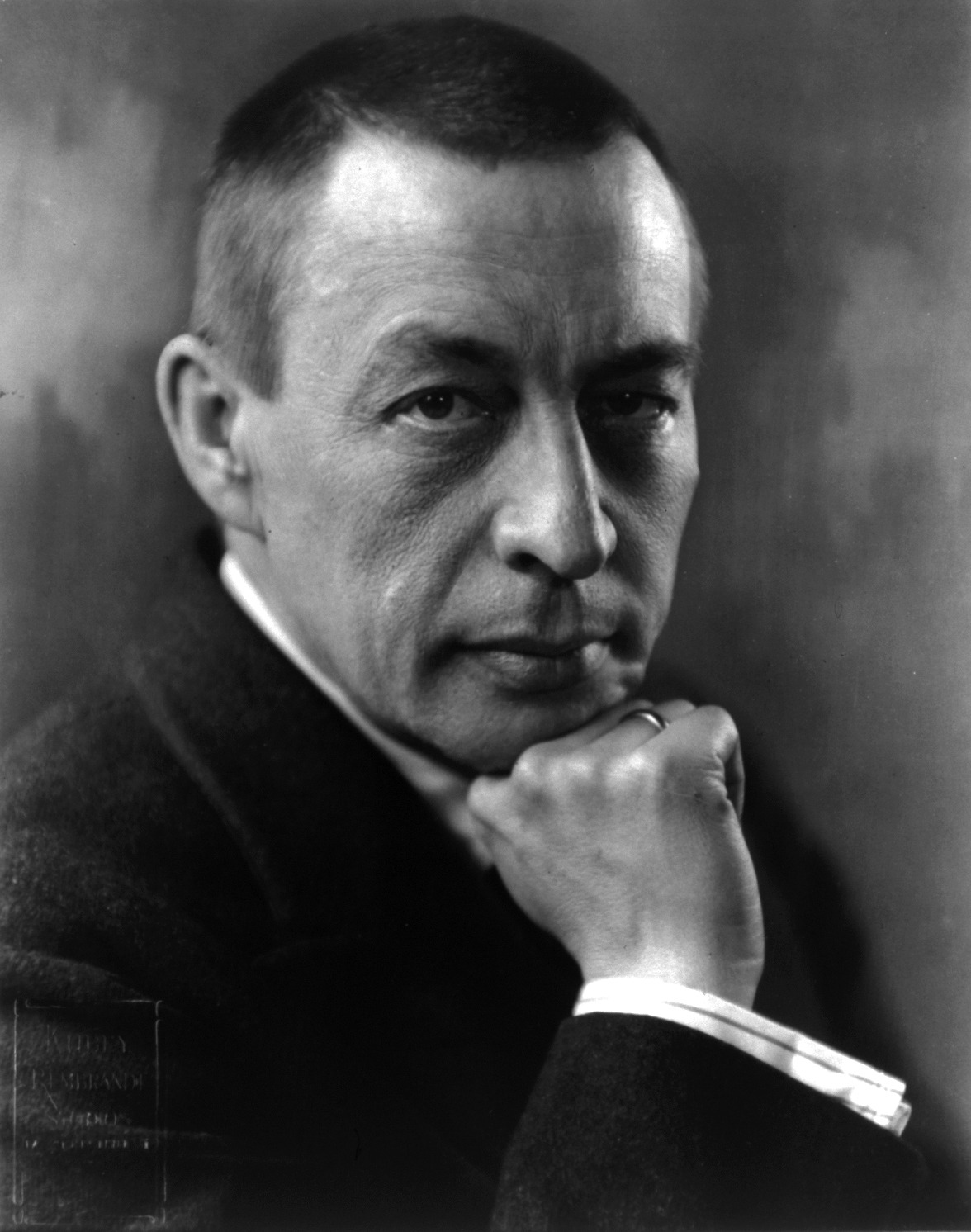
Sergei Rachmaninoff, born on April 1, 1873, in the serene countryside of Novgorod, Russia, stands as one of the most revered figures in the history of classical music. Known as the last of the great Romantic composers, Rachmaninoff’s life was a testament to artistic perseverance, emotional depth, and extraordinary musical talent. His works, filled with melancholic beauty and virtuosity, continue to captivate audiences worldwide. This article delves into the age, fame, and life highlights of Sergei Rachmaninoff, offering detailed insights into the man behind the music.
Early Life and Musical Beginnings
Sergei Vasilyevich Rachmaninoff was born into a family with a rich musical heritage. His father, Vasily Rachmaninoff, was a former Russian army officer, while his mother, Lubov Boutakov, hailed from a line of distinguished musicians. The Rachmaninoff family, despite their noble status, faced financial difficulties due to Vasily’s mismanagement of their estate. This economic decline played a significant role in shaping Sergei’s early life.
Music was an integral part of the Rachmaninoff household. Sergei’s grandfather, who had been an accomplished pianist, introduced him to the piano at a young age. Sergei showed an extraordinary aptitude for the instrument, and by the age of six, he began formal piano lessons with Anna Ornatskaya, a teacher from the Saint Petersburg Conservatory. Ornatskaya quickly recognized Sergei’s prodigious talent and recommended him for a scholarship at the conservatory.
In 1881, at the age of nine, Sergei Rachmaninoff entered the Saint Petersburg Conservatory. However, his time there was marked by academic struggles and personal challenges, including the loss of his sister, Sophia, to diphtheria. These difficulties, coupled with his father’s continued financial irresponsibility, led to a decline in Sergei’s academic performance. In an effort to provide him with a more stable environment, his mother sent him to study under Nikolai Zverev, a strict disciplinarian and renowned piano teacher at the Moscow Conservatory.
Musical Education and Early Successes
Under Zverev’s rigorous tutelage, Sergei Rachmaninoff developed the discipline and technical prowess that would later define his career as a pianist and composer. Zverev’s home was a hub for Moscow’s musical elite, and it was here that Rachmaninoff was introduced to the likes of Pyotr Ilyich Tchaikovsky, Anton Arensky, and Sergei Taneyev. These encounters deeply influenced Rachmaninoff’s musical development, particularly his relationship with Tchaikovsky, who became a mentor and a source of inspiration.
By the age of 19, Rachmaninoff had completed his studies at the Moscow Conservatory, graduating with top honors in both piano performance and composition. His graduation piece, the one-act opera Aleko, was composed in just 15 days and earned him the prestigious Great Gold Medal, an award rarely bestowed by the conservatory. This early success marked the beginning of Rachmaninoff’s career as a composer.
The Composer Emerges: Early Works and Setbacks
Following his graduation, Rachmaninoff’s career seemed poised for greatness. He quickly gained recognition for his compositional talents, particularly with the publication of his Prelude in C-sharp minor, a piece that would become one of his most famous works. The haunting melody and dramatic intensity of the prelude captured the imagination of audiences and established Rachmaninoff’s reputation as a composer of remarkable emotional depth.
However, Rachmaninoff’s early career was not without its challenges. In 1897, the premiere of his First Symphony was met with scathing reviews, largely due to the poor performance of the orchestra under the direction of Alexander Glazunov, who was rumored to have been intoxicated during the performance. The failure of the symphony was a devastating blow to Rachmaninoff’s confidence, plunging him into a deep depression and leading to a period of creative stagnation that lasted several years.
Resurgence and International Acclaim
Rachmaninoff’s recovery from this dark period was aided by a course of hypnotherapy and counseling with Dr. Nikolai Dahl, a neurologist and amateur musician. Under Dahl’s care, Rachmaninoff regained his confidence and returned to composition with renewed vigor. In 1901, he completed his Second Piano Concerto, a work of such beauty and technical brilliance that it remains one of the most beloved concertos in the classical repertoire.
The success of the Second Piano Concerto marked a turning point in Rachmaninoff’s career. He resumed his activities as a composer and conductor, creating some of his most enduring works during this period, including the Second Symphony, the Third Piano Concerto, and the tone poem The Isle of the Dead. His music, characterized by its lush harmonies, sweeping melodies, and emotional intensity, resonated with audiences both in Russia and abroad.
Rachmaninoff’s fame continued to grow, and he began to tour extensively as a pianist and conductor. His performances were lauded for their technical precision and expressive depth, further solidifying his reputation as one of the leading musicians of his time. However, the political turmoil in Russia, particularly the October Revolution of 1917, forced Rachmaninoff to leave his homeland. In 1918, he emigrated to the United States with his family, where he would spend the remainder of his life.
Life in Exile: American Success and Creative Challenges
Rachmaninoff’s relocation to the United States marked a new chapter in his career. In America, he found considerable success as a concert pianist, performing to sold-out audiences across the country. His performances were in high demand, and he quickly became one of the most sought-after pianists of the era. Despite his success on the concert stage, Rachmaninoff struggled with the challenges of life in exile. He missed his homeland deeply, and the emotional toll of leaving Russia was reflected in the darker, more introspective tone of his later compositions.
The demands of his performing career also left him with little time for composition. Between 1918 and his death in 1943, Rachmaninoff composed only six major works, including the Fourth Piano Concerto and the Rhapsody on a Theme of Paganini. These works, while still exhibiting Rachmaninoff’s characteristic melodic richness and technical mastery, were more experimental in form and harmony, reflecting his exposure to modernist trends in Western music.
Despite these challenges, Rachmaninoff remained a beloved figure in the classical music world. His recordings, many of which were made during this period, are considered definitive interpretations of his own works as well as those of other composers such as Chopin and Liszt. These recordings, along with his compositions, have ensured Rachmaninoff’s enduring legacy as one of the greatest musicians of the 20th century.
Legacy and Enduring Influence
Sergei Rachmaninoff passed away on March 28, 1943, in Beverly Hills, California, just days before his 70th birthday. His death marked the end of an era in classical music, as he was often regarded as the last great representative of the Romantic tradition. However, his influence continues to be felt in the music world today.
Rachmaninoff’s works are celebrated for their emotional depth, technical brilliance, and lyrical beauty. His music, which often evokes a sense of nostalgia and melancholy, has a timeless quality that continues to resonate with audiences. Pieces like the Second Piano Concerto, the Rhapsody on a Theme of Paganini, and the Vespers remain staples of the classical repertoire, frequently performed by orchestras and soloists around the world.
Moreover, Rachmaninoff’s legacy extends beyond his compositions. As a pianist, he set new standards for technical excellence and expressive interpretation, influencing generations of pianists who followed in his footsteps. His recordings remain a vital part of the classical music canon, offering invaluable insights into the performance practices of the early 20th century.
In addition to his musical achievements, Rachmaninoff’s life story serves as a testament to the resilience of the human spirit. Despite the numerous challenges he faced—personal loss, political upheaval, and the difficulties of life in exile—Rachmaninoff continued to create music that spoke to the deepest emotions of the human experience. His ability to blend the traditions of the past with his own unique voice has ensured that his music remains relevant and cherished to this day.
Conclusion: The Last Romantic
Sergei Rachmaninoff’s life and work embody the essence of Romanticism—an unwavering commitment to emotional expression, a deep connection to the past, and an enduring belief in the power of music to convey the complexities of the human soul. Though his life was marked by both triumphs and tribulations, Rachmaninoff’s legacy as a composer, pianist, and conductor is one of lasting significance.
In a world that was rapidly changing, Rachmaninoff remained true to his artistic vision, creating works that continue to move and inspire listeners more than a century after they were written. His music, with its combination of technical brilliance and heartfelt emotion, serves as a bridge between the Romantic era and the modern world, a reminder of the enduring power of art in the face of adversity.
As we reflect on Rachmaninoff’s life and contributions, it is clear that he was not just the last of the great Romantics, but also one of the most important musical voices of the 20th century. His works will continue to be performed, studied, and cherished for generations to come, ensuring that the name Sergei Rachmaninoff remains synonymous with musical genius and emotional depth.


