
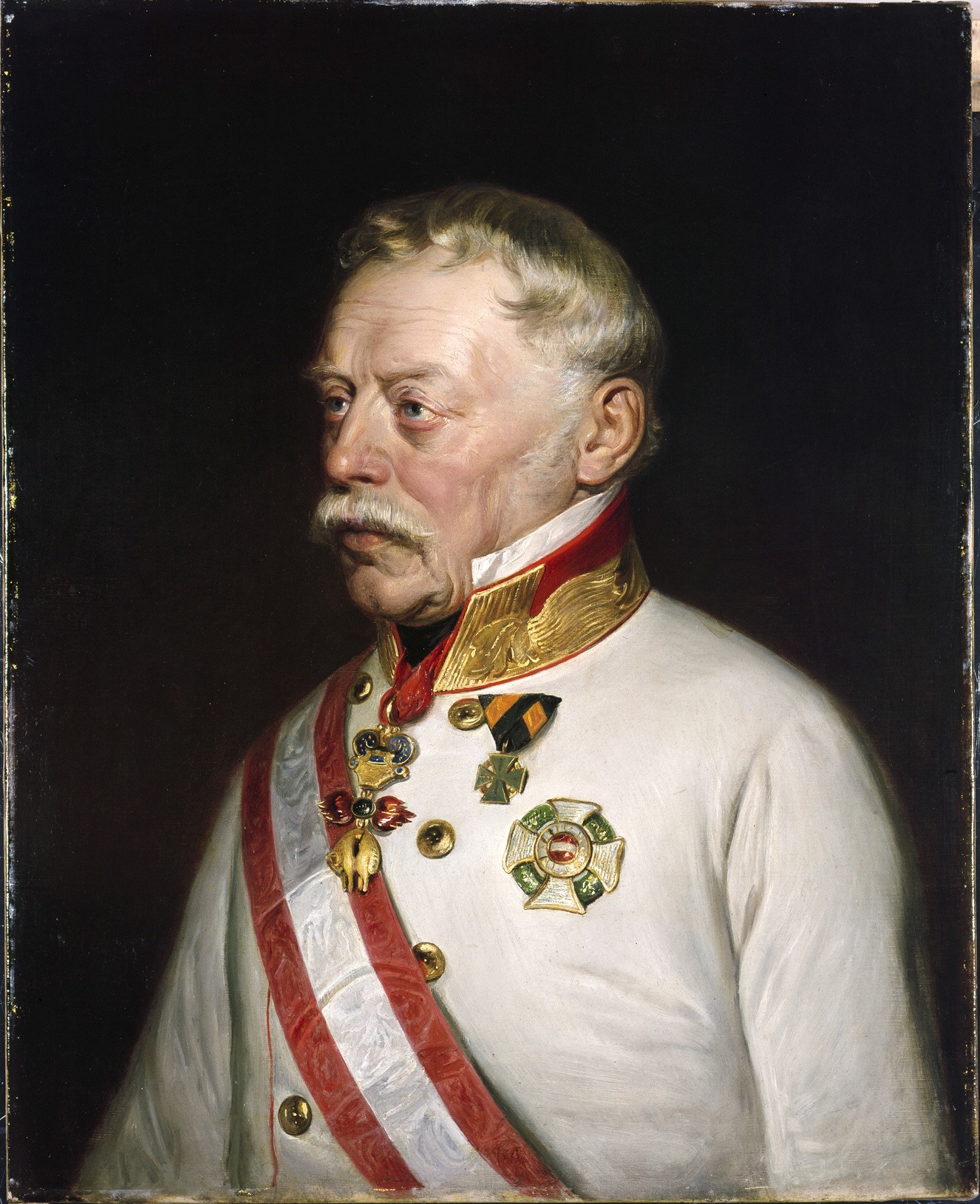
Josef Venceslao Radetzky, Count of Radetz, is a name that resonates deeply within the annals of military history. Born on November 2, 1766, in the family castle of Trebnice, now known as Sedlcany in Bohemia, Radetzky’s life was marked by a series of pivotal roles that shaped European military and political landscapes. His legacy is both a testament to his strategic brilliance and a reflection of the turbulent times in which he lived.
Early Life and Military Beginnings
Josef Radetzky was born into a noble family with a long tradition of military service. His early education and upbringing in Bohemia (modern-day Czech Republic) provided a strong foundation for his future career. At a young age, Radetzky exhibited a keen interest in military history, which naturally led him to pursue a career in the military.
In 1784, Radetzky fulfilled his ambition by joining the Austrian Army as a cavalry officer. His dedication and strategic acumen quickly distinguished him within the ranks. By the turn of the 19th century, he had risen to the rank of colonel and served as the aide-de-camp to Marshal Melas during the pivotal Battle of Marengo in 1800. This battle was a significant conflict in the Napoleonic Wars, where Radetzky’s contributions were crucial to the Austrian forces.
The Napoleonic Wars and Rise to Prominence
Radetzky’s military career continued to flourish as he took on prominent roles during the Napoleonic Wars. His expertise was particularly evident during the wars of 1813-1815, where he served as the Chief of Staff to Prince Schwarzenberg. Radetzky played a key role in devising the strategic plans that led to the decisive Battle of Leipzig in 1813. This battle was a turning point in the Napoleonic Wars, contributing significantly to Napoleon’s eventual downfall and abdication in 1814.
Radetzky’s tactical genius did not go unnoticed. By 1831, he was appointed the commander of the Austrian Army in Lombardy. His leadership during this period was instrumental in consolidating Austrian control over the Lombardo-Venetian territories. This region was a focal point of resistance against Austrian dominance, and Radetzky’s effective management and military strategies were crucial in maintaining order.
The Revolutions of 1848 and the Five Days of Milan
The Revolutions of 1848, known as the “Springtime of Nations,” were a series of interconnected uprisings across Europe. The revolts were driven by a combination of nationalist, liberal, and social demands. In Italy, the uprisings were particularly intense, culminating in the Five Days of Milan, a major insurrection that began on March 18, 1848.
Radetzky faced a formidable challenge as the commander of the Austrian forces in Milan. Despite his extensive experience and preparations, he was caught off guard by the scale and intensity of the revolt. The insurrectionists, fueled by widespread dissatisfaction and the desire for independence, managed to rally a substantial force against the Austrian troops.
Radetzky’s initial response included attempts at diplomacy, but these efforts were undermined by the determined resolve of the Italian patriots, led by figures like Carlo Cattaneo. With his forces outnumbered and under pressure, Radetzky was forced to retreat to the fortified positions of the Quadrilateral (a series of fortresses in northern Italy).
The Role of Carlo Alberto and the Outcome of the Conflict
The intervention of King Carlo Alberto of Sardinia played a crucial role during the insurrection. However, his approach was often criticized for lacking decisiveness. Instead of seizing the moment to deliver a decisive blow to the retreating Austrian forces, Carlo Alberto allowed Radetzky time to regroup and strengthen his positions.
The strategic decisions made during this period were pivotal. Carlo Alberto’s hesitation allowed Radetzky to consolidate his forces, leading to a series of counterattacks. On July 25, 1848, Radetzky achieved a decisive victory at the Battle of Custoza. This victory was instrumental in solidifying Austrian control over the Lombardo-Venetian region.
Radetzky’s success was further reinforced by the armistice of Salasco, which Carlo Alberto reluctantly accepted. This armistice marked a temporary cessation of hostilities and solidified Austrian dominance in northern Italy.
Later Years and Final Battles
Following the armistice, the Italian struggle for independence continued. In 1849, Carlo Alberto renewed hostilities against the Austrian forces. Radetzky, ever the strategic mastermind, was prepared for this resurgence. He achieved a notable victory at the Battle of Mortara on March 21, 1849, followed by another decisive triumph at the Battle of Novara.
These victories effectively crushed the Sardinian resistance and marked the end of Carlo Alberto’s reign. Radetzky’s military prowess earned him the governorship of Lombardy, a position he held with a firm hand. His governance was characterized by a strict and often repressive approach, aimed at quelling any further unrest and maintaining Austrian authority in the region.
Legacy and Cultural Impact
Josef Radetzky’s impact on European history is significant. His strategic brilliance and military achievements earned him a place in the pantheon of great military leaders. One of the most enduring legacies of Radetzky is the famous “Radetzky March,” composed by Johann Strauss I. This piece of music was written to celebrate Radetzky’s victory at Custoza and has since become a staple of Vienna’s New Year’s Concert, symbolizing the enduring spirit of celebration and military triumph.
Radetzky passed away on January 5, 1858, at the age of 91, at his residence in Villa Reale, Milan. His death marked the end of a storied career that had significantly influenced the political and military landscape of 19th-century Europe.
Historical Context and Impact
Radetzky’s career unfolded during a period of profound political and social change in Europe. The Napoleonic Wars, the Revolutions of 1848, and the subsequent consolidation of nation-states were shaping the continent’s future. Radetzky’s role in these events highlights the complexities of military leadership during times of upheaval and change.
His actions during the Five Days of Milan and the subsequent battles against the Sardinian forces underscore the challenges of maintaining control in a rapidly changing political environment. Radetzky’s ability to adapt and execute effective military strategies under pressure speaks to his skill as a commander and his understanding of the broader political context.
Conclusion: Radetzky’s Enduring Legacy
Josef Radetzky’s life and career offer a fascinating glimpse into the role of military leaders in shaping historical events. His strategic acumen, leadership during critical battles, and the cultural impact of the Radetzky March have ensured that his name remains well-known. As Europe navigated through periods of conflict and transformation, Radetzky’s contributions were pivotal in influencing the course of history.
In analyzing Radetzky’s life, one gains insight into the complexities of military leadership and the impact of personal decisions on broader historical outcomes. His legacy, preserved through both military history and cultural references, continues to be a subject of study and admiration.


