
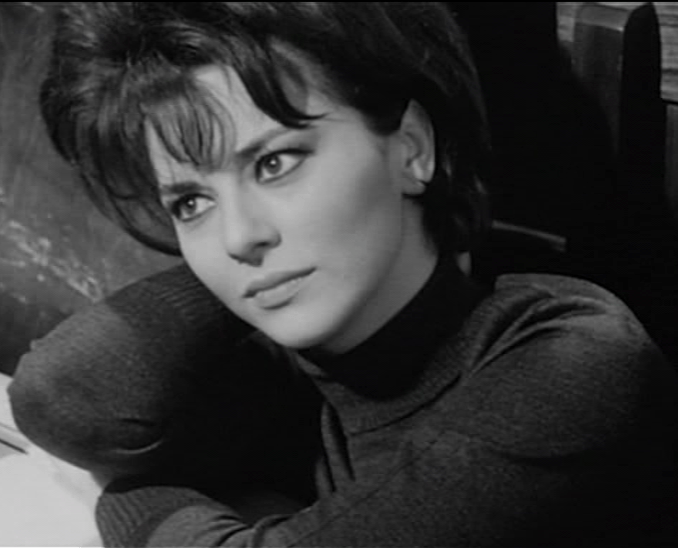
Introduction
Giovanna Ralli, born on January 2, 1935, in Rome, Italy, is a renowned Italian actress whose career spans several decades, marked by significant contributions to cinema, television, and theater. With a career that began in childhood and evolved through the golden age of Italian cinema, Ralli has become a symbol of Italian culture and entertainment. This article provides an in-depth exploration of Giovanna Ralli’s life, her rise to fame, and the highlights of her illustrious career.
Early Life and the Beginning of a Cinematic Journey
Giovanna Ralli’s foray into the world of acting began at an exceptionally young age. Born and raised in Rome, she was immersed in the vibrant cultural atmosphere of the city. Her first appearance on the silver screen came when she was just six years old in the film La Maestrina. This early exposure to the world of cinema set the stage for what would become a lifelong passion and career.
During her adolescence, Ralli continued to develop her craft, appearing in films such as I Bambini ci Guardano (1943) and Luci del Varietà (1950), directed by the legendary Federico Fellini. These early roles, though small, were instrumental in honing her acting skills and provided her with invaluable experience in the Italian film industry, which was then on the brink of its post-war renaissance.
Rise to Prominence in the 1950s
The 1950s were a pivotal decade for Giovanna Ralli as she transitioned from a child actress to a leading lady in Italian cinema. Her breakout role came in 1955 when she starred in Racconti Romani, directed by Gianni Franciolini. This film showcased her ability to portray the archetypal popolana romana—a character representing the vibrant, often earthy women of Rome’s working class. This role resonated with audiences and established her as a relatable and versatile actress.
In the same year, she also starred in Le Ragazze di San Frediano, directed by Valerio Zurlini, and Un Eroe dei Nostri Tempi, directed by Mario Monicelli. These films further solidified her status as a leading actress in Italian cinema. Despite her growing success, Ralli found herself frequently typecast in roles that reflected the Roman working-class woman, a trope that, while popular, limited her opportunities to showcase her full range of acting abilities.
Giovanna Ralli’s Hollywood Endeavors
As her fame grew in Italy, Giovanna Ralli set her sights on Hollywood, hoping to expand her career internationally. In the late 1950s and early 1960s, she ventured to the United States, seeking new opportunities in the world’s most prominent film industry. However, despite her talent and European acclaim, her Hollywood career did not reach the heights she had hoped for.
One of her notable Hollywood appearances was in Blake Edwards’ film What Did You Do in the War, Daddy? (1966). Although this role brought her some recognition in the American market, it did not lead to the breakthrough she had anticipated. During her time in Hollywood, Ralli was romantically linked with several notable actors, including Michael Caine. Despite the glamour and potential of her Hollywood chapter, Ralli ultimately decided to return to Italy, where she felt more at home both personally and professionally.
A Resurgence in Italian Cinema: The 1970s
The 1970s marked a significant period of resurgence for Giovanna Ralli in Italian cinema. She returned to her roots with a renewed focus on Italian films, working with some of the most esteemed directors of the time. One of her most acclaimed performances during this period was in Ettore Scola’s C’eravamo Tanto Amati (1974), a film that earned her critical praise and a Nastro d’Argento award for Best Supporting Actress. This film, a poignant exploration of post-war Italian society, allowed Ralli to break away from her earlier typecasting and showcase her dramatic range.
In addition to her success with Scola, Ralli also starred in other notable films of the decade, including Una Prostituta al Servizio del Pubblico e in Regola con le Leggi dello Stato (1971), for which she received a Nastro d’Argento nomination for Best Actress. These roles not only revitalized her career but also established her as a serious and versatile actress capable of tackling complex characters and narratives.
Transition to Television and Theater in the 1980s and 1990s
As the Italian film industry evolved, Giovanna Ralli transitioned smoothly into television and theater, demonstrating her adaptability as an actress. In the early 1980s, she made the decision to step away from cinema temporarily to focus on theater, where she continued to garner acclaim for her performances. Her theater work during this period included collaborations with some of Italy’s most respected directors and playwrights, further cementing her status as a multifaceted performer.
In 1988, Ralli made her television debut in the series Poliziotti, directed by Tomaso Sherman. This move to television allowed her to reach a new audience and adapt to the changing landscape of Italian entertainment. Her television career continued to flourish in the 1990s, with notable appearances in shows such as Solo per Dirti Addio and the successful series Un Prete tra Noi (1997), directed by Giorgio Capitani. These roles expanded her appeal and demonstrated her ability to navigate different mediums of storytelling.
The 2000s and a Return to the Big Screen
Despite her success in television and theater, Giovanna Ralli never fully left the world of cinema. In the early 2000s, she returned to the big screen with a series of roles that reminded audiences of her enduring talent. In 2003, she was nominated for a Nastro d’Argento for Best Supporting Actress for her role in Il Pranzo della Domenica, a comedy directed by Carlo Vanzina. This nomination highlighted her continued relevance and ability to deliver compelling performances across genres.
Throughout the 2000s, Ralli continued to appear in both film and television, including the popular series Ho Sposato uno Sbirro (2008-2010) and Tutti Pazzi per Amore (2011). Her later work often saw her playing matriarchal figures, drawing on her rich experience and gravitas as a seasoned actress.
Honors and Legacy
Giovanna Ralli’s contributions to Italian cinema have been recognized with numerous awards and honors. In 2003, she was named a Grand Officer of the Order of Merit of the Italian Republic, one of the highest civilian honors in Italy. This accolade reflected her significant impact on Italian culture and her role as an ambassador of Italian cinema to the world.
In 2014, Ralli received the prestigious Anna Magnani Lifetime Achievement Award, named after one of Italy’s most revered actresses. This award was a fitting tribute to Ralli’s enduring influence on the Italian film industry and her ability to captivate audiences across multiple generations.
In 2015, Ralli announced her retirement from acting during an appearance at the Taormina Film Festival. Her decision to step away from the spotlight marked the end of an era, but her legacy in Italian cinema remains indelible. Giovanna Ralli’s career is a testament to her versatility, resilience, and enduring appeal as one of Italy’s most beloved actresses.
Conclusion
Giovanna Ralli’s life and career offer a fascinating glimpse into the evolution of Italian cinema and the role of women in the film industry. From her early beginnings as a child actress in Rome to her rise as a leading lady in Italian cinema, and her subsequent ventures into Hollywood, television, and theater, Ralli’s journey is one of perseverance, talent, and adaptability.
Her ability to navigate the changing tides of the entertainment industry, while staying true to her roots, has made her a beloved figure in Italian culture. Giovanna Ralli’s contributions to cinema, both in Italy and internationally, have left an indelible mark on the industry, inspiring future generations of actors and filmmakers.
As we reflect on her illustrious career, it is clear that Giovanna Ralli is not just an actress but a cultural icon whose work continues to resonate with audiences around the world. Her story is one of triumph over adversity, and her legacy will undoubtedly endure for many years to come.


