
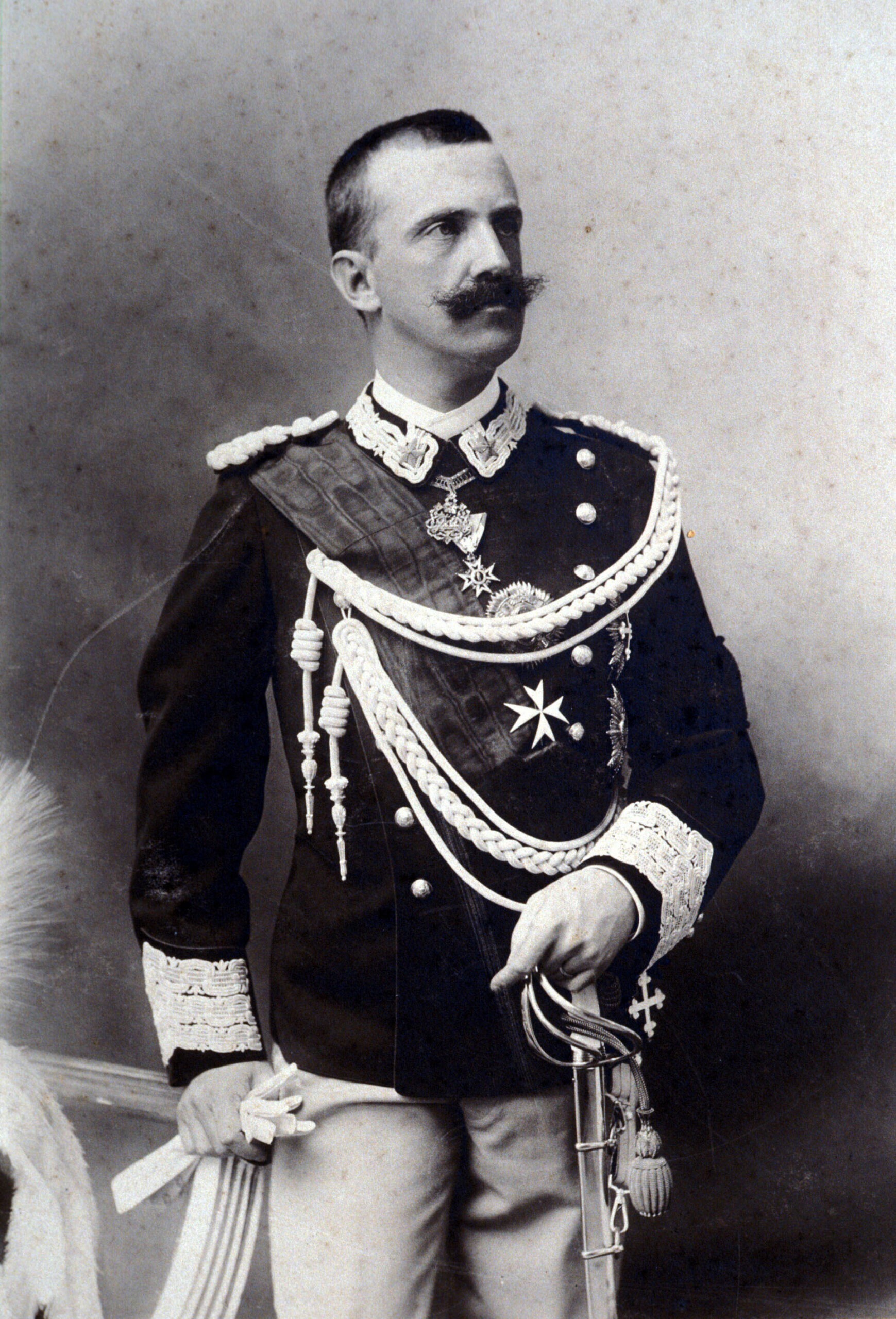
Re Vittorio Emanuele III, the third King of Italy, was a complex and often controversial figure in Italian history. Born on November 11, 1869, in Naples, Vittorio Emanuele III reigned from 1900 to 1946, a period marked by significant turmoil and transformation in Italy. His reign included the end of the Italian monarchy, two World Wars, and the rise and fall of Fascism. This article delves into the life of Vittorio Emanuele III, exploring his age, fame, and life highlights, with a particular focus on his impact on Italian history and the complexities of his legacy.
Early Life and Education
Vittorio Emanuele III was born into the House of Savoy, the oldest royal family in Europe. He was the son of Umberto I, King of Italy, and Queen Margherita of Savoy. From an early age, Vittorio Emanuele was groomed to assume the throne, receiving a comprehensive education that included studies in law, politics, administration, and military science. His education also emphasized the importance of understanding European affairs, leading him to travel extensively across Europe. These experiences broadened his perspective, particularly in historical and diplomatic matters, which would later influence his reign.
Despite his noble upbringing, Vittorio Emanuele was physically unimposing, standing only 153 centimeters (about 5 feet) tall, earning him the nickname “Sciaboletta” due to the specially made short sword he carried. However, his small stature did not diminish his influence, and he would go on to play a significant role in some of the most critical events in modern Italian history.
Ascension to the Throne
Vittorio Emanuele III ascended to the throne on July 29, 1900, following the assassination of his father, Umberto I, by an anarchist. His early reign was marked by his support for colonial expansion, a policy initiated by his predecessors. Under his rule, Italy expanded its territories in Africa, notably through the conquest of Libya in 1911 and the annexation of the Dodecanese Islands in 1912. These actions were part of a broader effort by Italy to assert itself as a colonial power, in line with the ambitions of other European nations at the time.
Despite these expansions, Vittorio Emanuele III was more cautious and less militaristic than his father. He was initially supportive of Italy’s neutrality during the early years of World War I, reflecting his reluctance to engage in a conflict that could destabilize the already fragile Italian state. However, the promise of territorial gains from the Triple Entente (France, the United Kingdom, and Russia) led to Italy’s entry into the war in 1915 on the side of the Allies.
Role in World War I
Vittorio Emanuele III’s role in World War I is one of the most defining aspects of his reign. Despite his initial reservations about entering the war, he became a symbol of national unity and resilience. Unlike many monarchs of his time, Vittorio Emanuele was often present on the front lines, earning the nickname “Re Soldato” (The Soldier King) for his frequent visits to the troops. His presence was intended to boost morale and demonstrate his commitment to the war effort.
The war was a brutal and costly conflict for Italy, resulting in significant loss of life and economic hardship. The Italian army faced numerous challenges, including a lack of resources, poor leadership, and internal divisions. The situation reached a critical point with the disastrous defeat at the Battle of Caporetto in 1917, where the Italian army suffered heavy losses and was forced to retreat.
In response to this crisis, Vittorio Emanuele III took decisive action, replacing the ineffective General Luigi Cadorna with General Armando Diaz. Diaz’s leadership helped stabilize the situation, and the Italian army eventually secured a significant victory at the Battle of Vittorio Veneto in 1918, contributing to the collapse of the Austro-Hungarian Empire. The victory was seen as a triumph for Vittorio Emanuele III, bolstering his reputation as a leader who could guide Italy through adversity.
Post-War Italy and the Rise of Fascism
The aftermath of World War I brought significant challenges to Italy. The country was plagued by economic difficulties, social unrest, and political instability. The promises made to Italy in the Treaty of London, which had persuaded the country to join the war, were only partially fulfilled, leading to widespread dissatisfaction and a sense of betrayal among Italians. This period of unrest, known as the “Biennio Rosso” (Two Red Years), saw widespread strikes, riots, and the rise of radical political movements.
Amidst this turmoil, Vittorio Emanuele III found himself in a precarious position. The Italian monarchy, already weakened by the war and its aftermath, faced growing pressure from both the left and the right. The rise of Benito Mussolini and the Fascist movement posed a particular challenge. Mussolini’s March on Rome in October 1922 was a turning point for the country and the monarchy. Faced with the threat of civil war, Vittorio Emanuele III made the controversial decision to appoint Mussolini as Prime Minister, believing that he could control the Fascists and prevent further unrest.
This decision marked the beginning of the Fascist regime in Italy, a period that would have profound and lasting consequences for the country. While Vittorio Emanuele III maintained some control over the military, he largely ceded political power to Mussolini, a move that has been heavily criticized by historians. Mussolini’s consolidation of power led to the establishment of a dictatorship, and the King’s failure to intervene during key moments, such as the passing of the racial laws in 1938, has further tarnished his legacy.
World War II and the Fall of the Monarchy
As World War II loomed, Vittorio Emanuele III again found himself in a difficult position. Despite his initial opposition to Italy’s involvement in the war, Mussolini’s alliance with Nazi Germany led to Italy’s entry into the conflict in 1940. The war proved disastrous for Italy, with military defeats in North Africa and the Balkans, and the eventual invasion of the Italian mainland by Allied forces.
By 1943, Italy was on the brink of collapse. The Allied invasion of Sicily and the subsequent fall of Mussolini’s government marked the beginning of the end for Fascism in Italy. On July 25, 1943, Vittorio Emanuele III took the bold step of dismissing Mussolini and appointing Marshal Pietro Badoglio as Prime Minister. This move was intended to distance the monarchy from the Fascist regime and negotiate a separate peace with the Allies.
However, the situation quickly deteriorated. On September 8, 1943, Italy formally surrendered to the Allies, leading to chaos and confusion as German forces occupied much of the country. Vittorio Emanuele III and the royal family fled Rome, relocating to Brindisi in southern Italy, where the King continued to govern in the territories controlled by the Allies. This period of the war was marked by the brutal German occupation of northern Italy and the establishment of the Italian Social Republic, a puppet state led by Mussolini under Nazi control.
The King’s flight from Rome and his perceived abandonment of the Italian people during this critical period further damaged his reputation. The monarchy’s association with Fascism and the failures of the war led to growing calls for a republic.
Abdication and Exile
By 1946, the tide had turned decisively against the Italian monarchy. The Italian people, weary of war and disillusioned with the monarchy’s role in supporting Fascism, were ready for change. On May 9, 1946, Vittorio Emanuele III abdicated in favor of his son, Umberto II, in a last-ditch effort to preserve the monarchy. However, the effort was in vain. A month later, on June 2, 1946, a national referendum was held, and the Italian people voted to abolish the monarchy and establish a republic.
Vittorio Emanuele III went into exile in Egypt, where he lived under the title of “Count of Pollenzo.” He spent the remaining months of his life in Alexandria, where he died on December 28, 1947. His death marked the end of an era in Italian history, as the last reigning monarch of the House of Savoy.
Legacy and Historical Assessment
The legacy of Vittorio Emanuele III is one of profound complexity. He was a monarch who presided over some of the most turbulent years in Italian history, yet his reign is often viewed as a period of missed opportunities and failed leadership. His decision to support Mussolini and his failure to oppose the rise of Fascism have left an indelible stain on his legacy.
Critics argue that Vittorio Emanuele III’s actions, particularly during the rise of Fascism and World War II, contributed to the downfall of the monarchy and the suffering of the Italian people. His abdication and subsequent exile did little to redeem his reputation, and he remains a controversial figure in Italian history.
However, it is also important to recognize the challenges he faced as a monarch in a rapidly changing world. The pressures of maintaining stability in a country plagued by economic, social, and political crises were immense. His efforts to guide Italy through two world wars, while ultimately unsuccessful, reflect the difficulties of his position.
In the end, Vittorio Emanuele III’s reign serves as a cautionary tale about the dangers of complacency and the consequences of political decisions. His life and reign offer valuable lessons in leadership, the complexities of monarchy, and the impact of individual choices on the course of history.


