
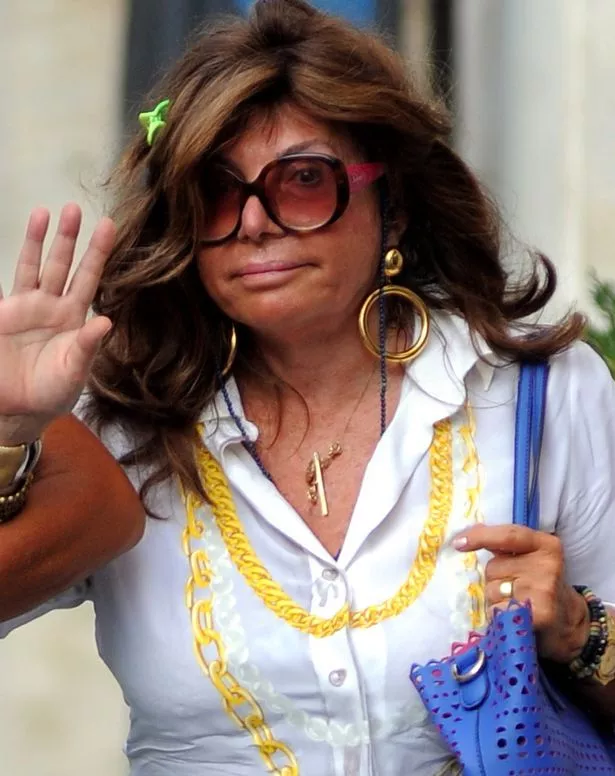
Patrizia Reggiani, born on December 2, 1948, in Vignola, Italy, is a name that evokes a mix of glamour, wealth, scandal, and tragedy. Once a prominent figure in the world of high fashion, particularly during the 1980s, Reggiani’s life took a dark turn in the 1990s, leading to her being infamously dubbed the “Black Widow” by the media. Her story, marked by her marriage to Maurizio Gucci, her role in his murder, and her subsequent imprisonment, has captured global attention, inspiring documentaries and films, including the highly anticipated House of Gucci. This article delves into the life, fame, and infamous moments of Patrizia Reggiani, offering detailed insights into her journey from a life of luxury to the depths of scandal.
Early Life and Marriage to Maurizio Gucci
Patrizia Reggiani was born into a modest family, but her life took a significant turn when she married into one of Italy’s most famous and affluent dynasties. In 1973, Patrizia married Maurizio Gucci, the heir to the Gucci fashion empire. The marriage initially appeared to be a fairytale union, with the couple becoming a fixture in the elite social circles of Milan, Rome, and New York. They had two daughters, Allegra and Alessandra, who were raised in an environment of opulence, surrounded by the luxury that the Gucci name symbolized.
During their marriage, Patrizia played an active role in the high-profile life that the Gucci name commanded. She became a well-known socialite, attending glamorous parties, fashion shows, and rubbing shoulders with the who’s who of the fashion world. However, beneath the surface, the marriage began to strain. Maurizio, who was under immense pressure from the family business, became increasingly distant. In 1985, after 12 years of marriage, Maurizio left Patrizia for a younger woman, claiming he was going on a short business trip. He never returned.
The Bitter Divorce and Legal Battles
The separation between Patrizia and Maurizio was anything but amicable. The divorce was finalized in 1991, after years of legal battles and public disputes. As part of the settlement, Patrizia was awarded an annual alimony of approximately 500,000 euros. Despite this considerable sum, Patrizia felt deeply wronged and betrayed by Maurizio, who had moved on with his life, leaving her behind.
The emotional toll of the divorce was compounded by a health scare in 1992 when Patrizia was diagnosed with a brain tumor. Fortunately, the tumor was successfully removed without any lasting physical consequences, but it left an indelible mark on her mental and emotional state. The bitterness from the divorce, combined with her health issues, created a volatile mix that would eventually lead to tragic consequences.
The Murder of Maurizio Gucci
On March 27, 1995, Maurizio Gucci was shot and killed on the steps outside his office in Milan. The murder shocked the world, especially the fashion industry, which had long revered the Gucci name. The investigation into his death revealed a dark and twisted plot that would forever tarnish the Gucci legacy.
It was soon discovered that the mastermind behind the assassination was none other than Patrizia Reggiani. She had hired a hitman, through her confidante Giuseppina “Pina” Auriemma, to carry out the murder. The motive was clear: revenge and greed. Patrizia could not bear the thought of Maurizio with another woman, and she was also concerned about her financial future, fearing that Maurizio might marry again and cut her off from the Gucci fortune.
The trial that followed became a media sensation. The press quickly labeled Patrizia as the “Black Widow,” painting her as a cold, calculating woman who would stop at nothing to get what she wanted. In 1997, Patrizia was arrested, and in 1998, she was convicted of orchestrating her husband’s murder. She was sentenced to 29 years in prison, a sentence that would later be reduced on appeal to 26 years.
Imprisonment and Life After Release
Patrizia’s time in prison was marked by several noteworthy incidents. In 2000, shortly after her sentence was reduced, she attempted suicide by hanging herself with a shoelace. Fortunately, she was discovered in time and her life was saved. This incident highlighted the intense psychological toll that her imprisonment had taken on her.
Despite her circumstances, Patrizia maintained a certain level of defiance and entitlement. In 2011, when she was offered the opportunity to work outside the prison as part of a supervised work program, she famously declined, stating, “I’ve never worked in my life, and I’m certainly not going to start now.” This statement was indicative of her refusal to accept her fall from grace and her lingering attachment to the life of luxury she once knew.
In October 2016, after serving 18 years, Patrizia was released from prison for good behavior. Her release was met with widespread media coverage, as the public was still fascinated by the woman who had once been at the center of one of Italy’s most notorious murder cases. However, her life after prison was far from a happy ending. Her daughters, Allegra and Alessandra, who had stood by her during the trial, eventually cut ties with her, engaging in legal battles over the inheritance and financial matters.
In 2017, a court ruled that Patrizia was entitled to a significant portion of the Gucci fortune due to an agreement she had signed with Maurizio in 1993. This agreement entitled her to a yearly payment of approximately 1 million euros, even during her time in prison, which resulted in a back payment of over 17 million euros. Despite this financial victory, Patrizia remained estranged from her daughters, who viewed her actions as unforgivable.
The Cultural Impact and Media Portrayal
The story of Patrizia Reggiani and the Gucci family has captivated audiences worldwide, inspiring numerous books, documentaries, and most recently, a major Hollywood film. In 2021, the legendary director Ridley Scott released House of Gucci, a biographical drama that chronicles the events leading up to and following the murder of Maurizio Gucci. The film stars Lady Gaga as Patrizia Reggiani, with Adam Driver portraying Maurizio Gucci. The cast also includes Hollywood heavyweights such as Al Pacino and Jared Leto.
House of Gucci brought renewed attention to the scandal and reignited public interest in the Gucci family’s turbulent history. The film, while dramatized, highlighted the excesses of wealth, power, and the tragic consequences of unchecked ambition. Lady Gaga’s portrayal of Patrizia was widely praised, with many noting how she captured the complex emotions and motivations behind Patrizia’s actions.
In addition to the film, a documentary titled Lady Gucci – The Story of Patrizia Reggiani was released earlier in 2021. Directed by Marina Loi and Flavia Triggiani, the documentary offers a more in-depth look at Patrizia’s life, featuring interviews and insights into her personality, as well as the events that led to the infamous murder.
Nuances and Historical Context
Patrizia Reggiani’s story is not just one of crime and punishment; it is also a reflection of the broader societal issues and cultural dynamics of the time. The 1980s and 1990s were periods of immense wealth and consumerism, especially in the fashion industry. The Gucci brand, synonymous with luxury, became a symbol of status and success. However, beneath the surface, the fashion world was also a place of intense pressure, rivalry, and personal conflicts.
The Gucci family itself was no stranger to drama. The company, founded in 1921 by Guccio Gucci, had seen its fair share of internal power struggles and disputes. By the time Maurizio Gucci took control of the company in the 1980s, it was already a battleground for family members vying for power and control. Maurizio’s decision to sell his shares in the company in 1993 marked the end of the Gucci family’s direct involvement in the brand, a move that was seen by many, including Patrizia, as a betrayal of the family legacy.
Patrizia’s actions, while inexcusable, can be understood within this context of extreme wealth, familial expectations, and personal vendettas. Her desperation to maintain her status and secure her financial future in a world that valued wealth above all else drove her to commit an unspeakable crime. Her story serves as a cautionary tale about the dangers of ambition and the lengths to which people will go to protect their social standing.
Conclusion: Patrizia Reggiani’s Complex Legacy
Patrizia Reggiani remains one of the most controversial figures in recent Italian history. Her life, marked by both glamour and tragedy, continues to fascinate and horrify in equal measure. The story of her marriage to Maurizio Gucci, the murder, and the subsequent trial is a powerful reminder of the dark side of wealth and the often-destructive nature of ambition.
Today, Patrizia lives a relatively quiet life in Milan, but the shadow of her past continues to loom large. Her legacy is a complex one, marked by both her role in one of the most infamous crimes of the 20th century and her lasting impact on the Gucci brand and the fashion world.
As we reflect on Patrizia Reggiani’s life, it is important to consider the broader societal factors that contributed to her downfall. Her story is not just about one woman’s descent into darkness, but also about the pressures and expectations placed on those who live in the spotlight. In the end, Patrizia’s life serves as a sobering reminder of the consequences of unchecked ambition and the human cost of a life lived in pursuit of wealth and power.


