
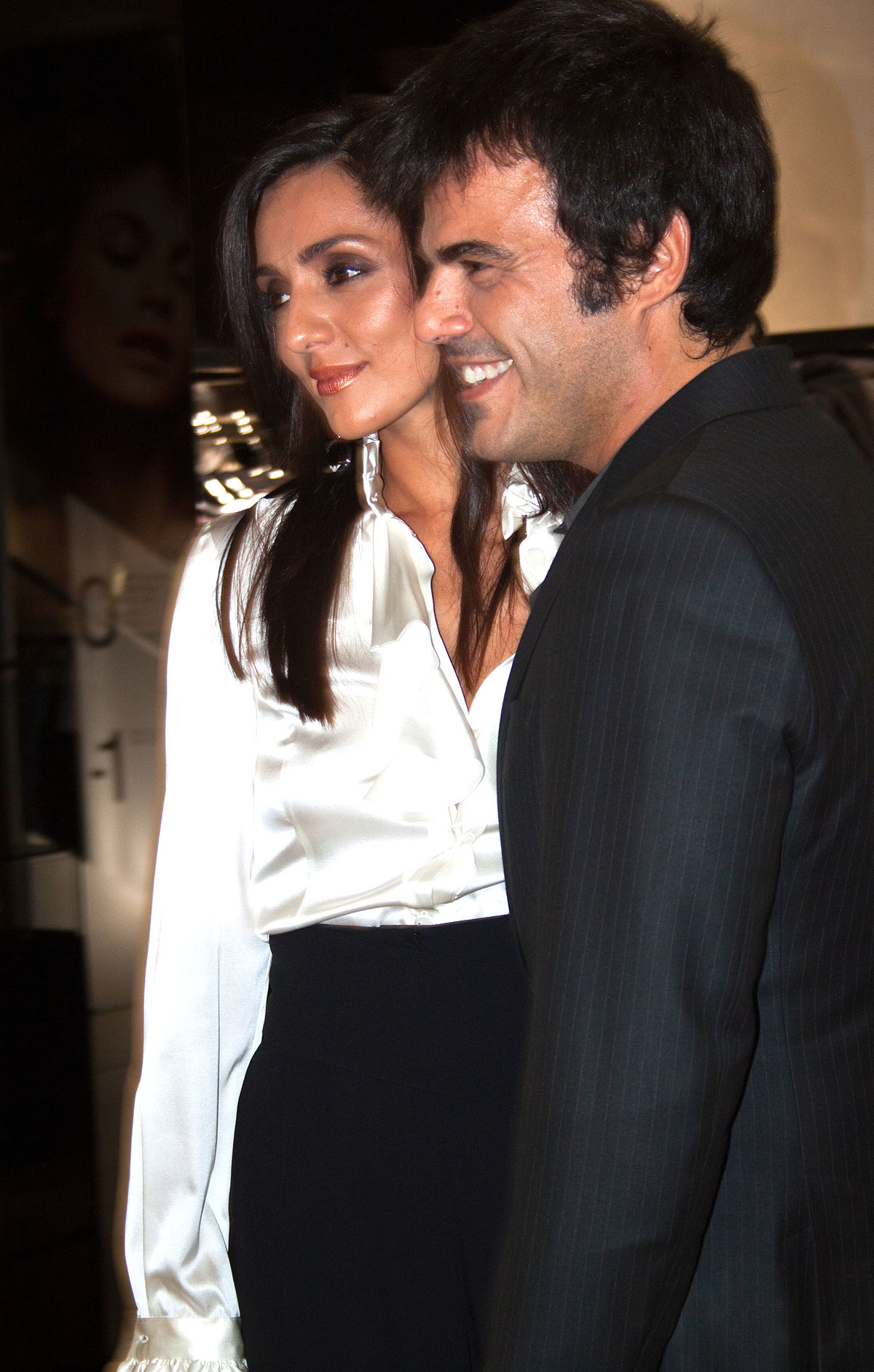
Francesco Renga is a name that resonates deeply within the Italian music scene. Born on June 12, 1968, in Udine, Italy, Renga has become one of the most recognized and celebrated voices in the country. His journey from a young boy with a passion for singing to a solo artist who has won some of Italy’s most prestigious music awards is a story of talent, perseverance, and evolution. In this article, we delve into the life, career, and enduring influence of Francesco Renga, offering detailed insights into his journey, from his early days to his rise to fame, and the highlights of his illustrious career.
Early Life and Beginnings
Francesco Renga’s early life in Udine was marked by a deep love for music. From a young age, he exhibited a passion for singing, which would later become his defining trait. His voice, known for its intensity and warmth, quickly set him apart from his peers. By the time he was a teenager, Renga had already started to make a name for himself in local music competitions. His first significant breakthrough came at the age of 16 when he participated in the “Deskomusic” competition, a contest among bands from Brescia. This event was a pivotal moment in his life as it led him to join the band “Precious Time,” which later became the renowned group “Timoria.”
The Timoria Years: A Crucible of Talent
The Timoria period was instrumental in shaping Francesco Renga’s musical career. Joining the band marked the beginning of a 13-year journey that would see him develop his skills as a singer and songwriter. Timoria, with their unique sound and style, quickly gained popularity, especially among the youth. The band’s success extended beyond Italy, as they performed across Europe, captivating audiences with their energetic performances and innovative music.
However, in 1998, Renga decided to part ways with Timoria. This decision, while difficult, was necessary for him to explore his potential as a solo artist. The end of his time with Timoria marked the beginning of a new chapter in his career, one that would see him achieve even greater heights.
The Solo Career: Rise to Fame
Francesco Renga’s solo career officially began in 2000 with the release of his self-titled album, “Francesco Renga.” While the album was well-received, it was his subsequent work that truly established him as a force in the Italian music industry. In 2001, Renga participated in the Sanremo Festival, one of Italy’s most prestigious music competitions, where his song “Raccontami” earned him the Critics’ Award. This victory was a significant milestone in his career, as it not only boosted his popularity but also solidified his reputation as a talented songwriter and performer.
In 2002, Renga released the album “Tracce,” which was a commercial success and further established his presence in the music industry. His participation in the Sanremo Festival that year with the song “Tracce di Te” marked his transition from an emerging artist to a recognized figure in Italian music.
A Defining Moment: The 2005 Sanremo Victory
One of the most defining moments in Francesco Renga’s career came in 2005 when he won the Sanremo Festival with the song “Angelo.” This victory was not just a personal achievement but also a testament to his enduring appeal and talent. “Angelo” became an anthem, resonating with audiences across Italy and beyond. The song’s success catapulted Renga to new levels of fame, and he became a household name.
Continued Success and Evolution
Following his Sanremo victory, Francesco Renga continued to release a series of successful albums that showcased his versatility and growth as an artist. In 2007, he released “Ferro e Cartone,” his fourth studio album, which was followed by his first book, “Come mi viene,” the same year. The book offered fans a glimpse into Renga’s creative process and his personal reflections on life and music.
In 2008, Renga collaborated with the Sardinian band Tazenda on the song “Madre Terra,” further expanding his musical repertoire. His subsequent albums, “Orchestraevoce” (2009) and “Un giorno bellissimo” (2010), demonstrated his ability to reinterpret classic Italian songs and create new music that resonated with contemporary audiences.
The 2010s: A Decade of Achievements
The 2010s were a decade of continued success for Francesco Renga. In 2011, he earned a gold record for the single “Un giorno bellissimo.” His return to the Sanremo stage in 2012 with the song “La tua bellezza” was another highlight of his career. This performance preceded the release of his first greatest hits album, “Fermoimmagine,” which celebrated his contributions to Italian music over the years.
In 2013, Renga contributed the song “La vita possibile” to the soundtrack of the film “Razza bastarda,” directed by Alessandro Gassmann. This period also saw him collaborate with other prominent Italian artists, such as Max Pezzali, with whom he recorded the song “Eccoti” for the album “Max 20.”
Renga returned to the Sanremo stage in 2014 with two songs, “A un isolato da te” and “Vivendo adesso,” the latter of which was written by the acclaimed singer-songwriter Elisa Toffoli. His sixth studio album, “Tempo reale,” was released shortly after, featuring the platinum-selling single “Il mio giorno più bello nel mondo.”
Personal Life and Public Persona
Francesco Renga’s personal life has also been a subject of public interest, particularly his relationships and family life. He was in a long-term relationship with actress Ambra Angiolini, with whom he has two children, Jolanda (born in 2004) and Leonardo (born in 2006). The couple’s relationship, which ended in 2015, was often in the public eye, and Renga has spoken candidly about the challenges of balancing his personal and professional life.
After his separation from Angiolini, Renga began a new chapter in his personal life with Diana Poloni. His experiences in love and relationships have often influenced his music, adding depth and emotion to his lyrics.
Recent Years and Ongoing Influence
In recent years, Francesco Renga has continued to be a significant presence in the Italian music scene. In 2016, he released the album “Scriverò il tuo nome,” which included collaborations with artists such as Ermal Meta, Francesco Gabbani, and Nek. The album was well-received, and Renga embarked on a successful tour with Nek and Max Pezzali, culminating in the release of the single “Duri da battere.”
Renga’s participation as a guest at the 68th Sanremo Festival in 2018, where he performed with Claudio Baglioni, Nek, and Max Pezzali, was a testament to his enduring popularity and influence in the industry. In 2019, he returned to the Sanremo stage as a competitor with the song “Aspetto che torni,” further solidifying his place in the Italian music landscape.
Looking Ahead: The Future of Francesco Renga
As Francesco Renga continues to evolve as an artist, his contributions to Italian music remain significant. His ability to adapt to changing musical trends while staying true to his roots has ensured his relevance in the industry. In 2024, he returned to the Sanremo Festival, this time in collaboration with Nek, presenting the song “Pazzo di te.” This latest endeavor highlights Renga’s commitment to his craft and his desire to keep pushing the boundaries of his music.
Conclusion
Francesco Renga’s journey from a young boy with a passion for singing to a celebrated solo artist is a story of talent, resilience, and evolution. His contributions to Italian music have left an indelible mark, and his influence continues to be felt across the industry. As he looks to the future, Renga remains a figure of inspiration for aspiring musicians and a beloved icon for fans around the world. His story is not just about fame and success, but about the power of music to connect with people on a deep, emotional level.


