
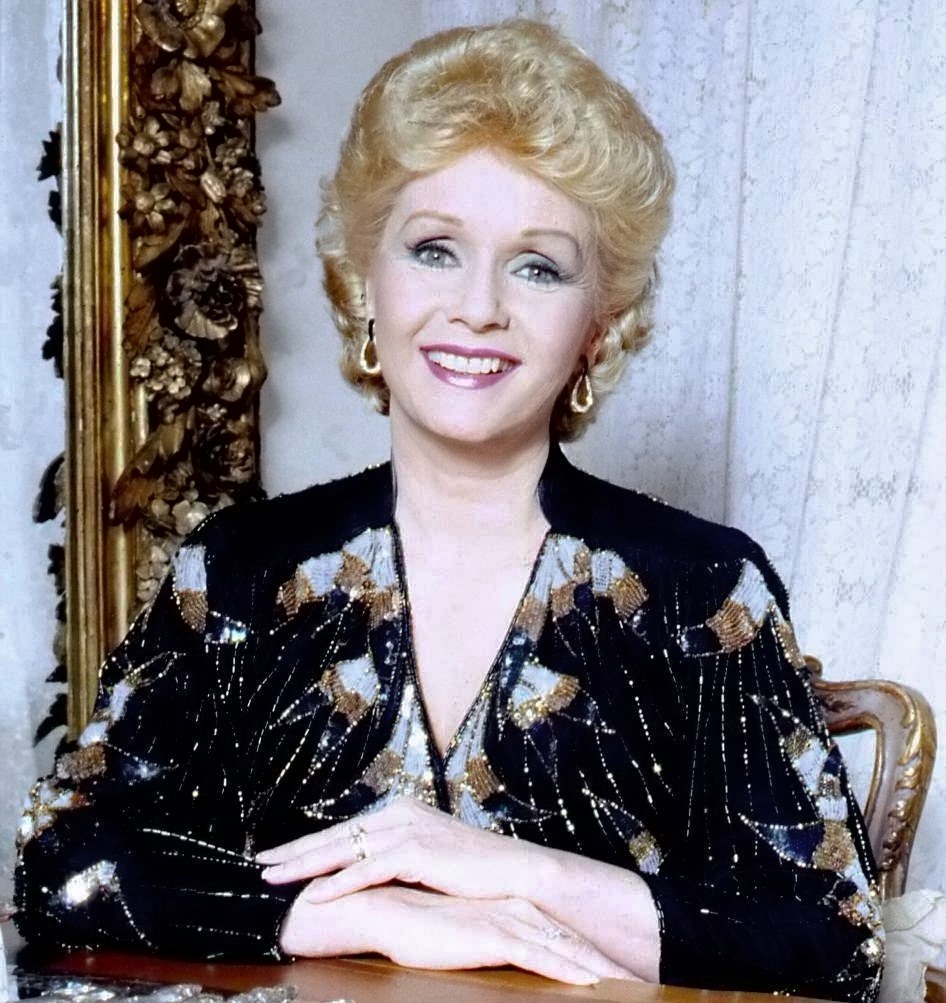
Debbie Reynolds, born on April 1, 1932, in El Paso, Texas, was an American actress, singer, and businesswoman who became one of Hollywood’s most beloved stars. Her journey from a small-town girl to a Hollywood icon is a testament to her talent, resilience, and enduring charm. With a career that spanned over seven decades, Reynolds left an indelible mark on the entertainment industry, becoming a symbol of the golden age of Hollywood and a beloved figure for generations of fans.
Early Life and Hollywood Debut
Mary Frances Reynolds, better known as Debbie, was born into a working-class family in El Paso, Texas. Her father was a railroad worker, and her mother took care of the home. The family moved to Burbank, California, when Debbie was a child, which inadvertently set the stage for her future career in Hollywood.
In 1948, at the age of 16, Debbie Reynolds’s life took a dramatic turn when she won the Miss Burbank beauty contest. This victory was a pivotal moment that led to her discovery by Warner Bros. and her first contract with the studio. Although she had entered the contest hoping to win a silk scarf, blouse, and a free meal, Reynolds ended up with a Hollywood contract, marking the beginning of her illustrious career.
Her film debut came in 1948 with a small role in the movie June Bride. However, it wasn’t until 1950, when she was signed by Metro-Goldwyn-Mayer (MGM), that her career began to take off. MGM recognized her potential and cast her in a series of small roles, but it was her ability to sing, dance, and act with equal charm that quickly set her apart from other young actresses of the time.
Rise to Stardom: Singin’ in the Rain and Beyond
Debbie Reynolds’s big break came in 1952 when she was cast in the iconic musical Singin’ in the Rain. Starring alongside Gene Kelly and Donald O’Connor, Reynolds played the role of Kathy Selden, a young actress navigating the transition from silent films to “talkies.” The film, directed by Stanley Donen and Gene Kelly, is widely regarded as one of the greatest musicals ever made, and Reynolds’s performance was a major factor in its success.
Despite having no formal dance training, Reynolds worked tirelessly to keep up with the demanding choreography set by Gene Kelly. The role required her to master complex dance routines, and she famously said that making Singin’ in the Rain and childbirth were the two hardest things she had ever done. Her perseverance paid off, and her performance won her widespread acclaim, solidifying her place in Hollywood history.
Following the success of Singin’ in the Rain, Reynolds became one of MGM’s most popular stars. Throughout the 1950s and 1960s, she starred in a series of successful musicals and comedies, including The Tender Trap (1955) opposite Frank Sinatra, Tammy and the Bachelor (1957), and The Unsinkable Molly Brown (1964), for which she received an Academy Award nomination for Best Actress.
The Unsinkable Molly Brown and Career Highlights
One of the most significant roles in Debbie Reynolds’s career was her portrayal of Molly Brown in the 1964 film The Unsinkable Molly Brown. The film, based on the life of the real Molly Brown, who survived the sinking of the Titanic, showcased Reynolds’s talents as a singer, dancer, and actress. Her performance as the determined and spirited Molly Brown earned her an Academy Award nomination, cementing her status as one of Hollywood’s leading ladies.
Reynolds’s ability to embody the role of a strong, independent woman resonated with audiences, and The Unsinkable Molly Brown became one of her most celebrated films. The character’s resilience and determination mirrored Reynolds’s own approach to her career and life, making the role particularly significant in her filmography.
In addition to her film career, Reynolds was a talented singer, and her recordings were popular in the 1950s and 1960s. Her single “Tammy,” from the movie Tammy and the Bachelor, became a number one hit on the Billboard charts, showcasing her versatility as an entertainer.
Challenges and Resilience: Personal Life and Financial Struggles
Despite her professional success, Debbie Reynolds faced numerous challenges in her personal life. Her first marriage to singer Eddie Fisher ended in scandal when Fisher left her for actress Elizabeth Taylor. The highly publicized divorce was a difficult period for Reynolds, but she handled the situation with grace and dignity, earning the admiration of her fans.
Reynolds later married businessman Harry Karl, but the marriage was troubled by his gambling addiction, which led to financial difficulties for the couple. When the marriage ended in divorce, Reynolds was left with significant debts, forcing her to work tirelessly to regain her financial stability. Her resilience during these challenging times was a testament to her strength and determination.
In the 1970s and 1980s, Reynolds focused more on stage and television work, making her Broadway debut in 1973 in the musical Irene, for which she received a Tony Award nomination. She also became a regular on television, appearing in shows like The Debbie Reynolds Show and later in the hit sitcom Will & Grace, where she played the role of Grace Adler’s eccentric mother, Bobbi.
Reynolds’s financial struggles also led her to establish a successful business venture: Debbie Reynolds’s Hollywood Hotel, which included a museum of Hollywood memorabilia. Despite her best efforts, the financial pressures eventually forced her to auction off her prized collection, a heartbreaking moment that highlighted the often harsh realities of life in Hollywood.
Later Years: A Hollywood Legend and Cultural Icon
Debbie Reynolds’s later years were marked by her continued contributions to the entertainment industry and her role as a cultural icon. In the 1990s and 2000s, she remained active in both film and television, earning praise for her performances in movies like In & Out (1997) and her recurring role on Will & Grace. Her enduring popularity was a testament to her talent and the deep affection audiences had for her.
Reynolds’s influence extended beyond her work as an entertainer. She was a passionate advocate for the preservation of Hollywood’s history and memorabilia, a cause she championed through her museum and personal collection. Her efforts to preserve Hollywood’s golden age earned her numerous accolades, including the Jean Hersholt Humanitarian Award from the Academy of Motion Picture Arts and Sciences in 2015.
Reynolds was also a devoted mother to her two children, Carrie Fisher and Todd Fisher. Her daughter, Carrie Fisher, became a cultural icon in her own right for her role as Princess Leia in the Star Wars franchise. The close bond between Reynolds and her daughter was well-known, and their relationship was the subject of the 2016 documentary Bright Lights: Starring Carrie Fisher and Debbie Reynolds, which provided an intimate look at their lives and careers.
Tragically, Reynolds’s life came to a sudden end on December 28, 2016, just one day after the death of her daughter Carrie Fisher. Reynolds suffered a stroke while making funeral arrangements for Fisher, and her passing marked the end of an era in Hollywood. The close timing of their deaths was seen by many as a reflection of the deep bond they shared, with Reynolds famously saying that she wanted to be with her daughter in her final moments.
Legacy and Impact on Hollywood
Debbie Reynolds’s legacy is one of extraordinary talent, resilience, and grace. Over the course of her career, she became synonymous with the golden age of Hollywood, embodying the charm and glamour of a bygone era. Her contributions to film, television, and stage have left an indelible mark on the entertainment industry, and her performances continue to be celebrated by audiences around the world.
Reynolds’s impact extends beyond her work as an actress. She was a trailblazer for women in Hollywood, navigating the industry’s challenges with determination and forging a path for future generations of female entertainers. Her efforts to preserve Hollywood’s history have ensured that the legacy of the industry’s early years will continue to be appreciated for years to come.
In addition to her professional accomplishments, Reynolds’s personal story of perseverance in the face of adversity has inspired countless people. Her ability to overcome financial hardship, personal scandal, and the ups and downs of a long career is a testament to her strength of character and unwavering optimism.
Debbie Reynolds remains a beloved figure in popular culture, with her films and performances continuing to resonate with audiences of all ages. Her iconic roles in movies like Singin’ in the Rain and The Unsinkable Molly Brown have secured her place in the pantheon of Hollywood legends, and her legacy as a trailblazing woman in the entertainment industry continues to inspire.
Conclusion: The Enduring Legacy of Debbie Reynolds
Debbie Reynolds’s life and career are a testament to the enduring power of talent, resilience, and grace. From her early days as a teenage beauty queen to her status as a Hollywood icon, Reynolds captured the hearts of audiences around the world with her charm, wit, and extraordinary talent. Her contributions to the entertainment industry have left a lasting legacy, and her influence continues to be felt in Hollywood today.
As we look back on her life, Debbie Reynolds’s story is one of triumph over adversity, of a woman who refused to be defined by the challenges she faced, and who remained a beloved figure until the end of her days. Her legacy is not only that of a great entertainer but also of a woman who lived her life with grace, dignity, and an unbreakable spirit. Debbie Reynolds will forever be remembered as one of Hollywood’s brightest stars, whose light will continue to shine for generations to come.


