
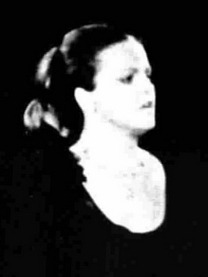
Katia Ricciarelli, born Katiuscia Maria Stella Ricciarelli on January 18, 1946, in Rovigo, Italy, is one of the most iconic figures in the world of opera. Her journey from a modest upbringing to becoming a celebrated soprano is a tale of talent, perseverance, and a passion for music. Over the years, Ricciarelli has not only dominated the opera stage but has also made significant contributions to film, television, and cultural life in Italy. This article delves deep into her life, her rise to fame, and the milestones that have defined her illustrious career.
Early Life and Family Background
Katia Ricciarelli was born into a financially struggling family. Her father, who volunteered for the Russian campaign during World War II, left the family, placing the burden of raising Katia and her two older sisters on her mother. Growing up as the youngest child in a single-parent household, Ricciarelli’s early life was marked by economic hardship. However, it was also during these formative years that her love for music began to blossom.
From a young age, Ricciarelli exhibited a profound passion for singing. Despite the financial difficulties, her mother recognized her talent and made enormous sacrifices to support her musical education. Ricciarelli worked various odd jobs, including as a factory worker in a record player factory, to save money for her studies. Her dedication paid off when she enrolled at the Conservatorio Benedetto Marcello in Venice, where she studied under the renowned soprano Iris Adami Corradetti.
The Early Years: Rising Star in the Opera World
Katia Ricciarelli’s operatic debut came in 1969 when she performed in “La Bohème” in Mantua. This marked the beginning of a remarkable career that would see her grace some of the most prestigious opera stages in the world. Her early years were characterized by a series of notable performances in operas such as “Il Pirata” by Vincenzo Bellini and “Il Trovatore” at the Teatro Regio di Parma. These performances quickly established her as a rising star in the opera world.
In 1971, Ricciarelli’s career took a significant leap forward when she won the International Verdi Voices Competition organized by RAI. This victory, shared with Giuliano Bernardi and Beniamino Prior, catapulted her into the spotlight and paved the way for a series of high-profile engagements.
The Golden Years: Dominating the Opera Scene in the 1970s
The 1970s were a golden era for Katia Ricciarelli. During this decade, she performed in a string of successful productions, showcasing her versatility and command over a wide range of roles. She became particularly renowned for her interpretations of Giuseppe Verdi’s operas, including “Giovanna d’Arco,” “I Capuleti e i Montecchi,” and “Luisa Miller.”
One of the highlights of her career during this period was her performance at the Royal Opera House in London alongside the legendary tenor Plácido Domingo. In 1975, she was selected for the first radio performance of Verdi’s “Jerusalem,” which took place at the Auditorium RAI in Turin. Her portrayal of Amelia in “Un Ballo in Maschera” and Lucrezia in “Lucrezia Borgia” further cemented her reputation as one of the leading sopranos of her generation.
While Katia Ricciarelli’s career was marked by numerous successes, it was not without its challenges. In the 1980s, she began to encounter difficulties with her vocal technique, particularly in the higher register. Despite efforts to strengthen her voice, these issues led to some high-profile disappointments, including a controversial performance of “Aida” at the Royal Opera House in London in 1983, where she was met with criticism for her struggles with the demanding role.
Another significant setback occurred in 1986 when she made her debut as Norma in Trieste. The performance was not well received, and the city was reportedly flooded with posters declaring, “Norma is dead,” a stark reflection of the harsh reception. Three years later, at La Scala in Milan, her interpretation of “Luisa Miller” was similarly criticized, leading to an infamous incident where Ricciarelli openly cursed the audience from the stage.
Despite these challenges, Ricciarelli continued to achieve significant milestones. She enjoyed a fruitful collaboration with the Rossini Opera Festival and reached a total of 47 performances at the Metropolitan Opera in New York by 1990. Her final performance at the Met was as Desdemona in Verdi’s “Otello,” once again sharing the stage with Plácido Domingo.
In recognition of her contributions to the arts, Ricciarelli was honored with the title of Grande Ufficiale of the Italian Republic and the prestigious title of Kammersängerin in Vienna in 1994, marking her 25th anniversary in the world of opera.
Diversifying Her Career: From Opera to Television and Film
As the new millennium dawned, Katia Ricciarelli began to explore new avenues in her career. In the 2000s, she became increasingly involved in television and film, broadening her appeal beyond the opera house. In 2003, she appeared in the television production “Gian Burrasca” alongside popular Italian entertainers Gerry Scotti and Rita Pavone. The following year, she starred in the hit Italian TV series “Don Matteo 4” with Terence Hill.
In 2005, Ricciarelli took on the role of artistic director of the Sferisterio Opera Festival in Macerata, further establishing her influence in the operatic world. That same year, she made a memorable foray into cinema, starring in the film “La seconda notte di nozze” directed by Pupi Avati. Her performance earned her critical acclaim and a Nastro d’Argento award, one of Italy’s most prestigious film honors.
Ricciarelli continued to balance her work in television with her commitments to the stage. In 2006, she appeared on the reality show “La Fattoria,” making it to the semifinals. Her television appearances helped introduce her to a broader audience, cementing her status as a beloved public figure in Italy.
Her contributions to the arts extended beyond performance. In 2007, she published her autobiography “Altro di me non saprei narrare,” written in collaboration with Gioconda Marinelli. The book provided readers with an intimate look at her life and career, revealing the challenges she faced and the triumphs she achieved.
Personal Life: Relationships and Legacy
Katia Ricciarelli’s personal life has been as eventful as her career. She was in a long-term relationship with the Spanish tenor José Carreras, a romance that lasted 13 years. Their partnership was not only personal but also professional, as they frequently performed together on the world’s greatest stages.
On January 18, 1986, Ricciarelli married Italian television presenter Pippo Baudo. The marriage brought together two of Italy’s most famous personalities, but it was not without its challenges. After years of public speculation and rumors, the couple separated in 2004 and finalized their divorce in 2007.
Despite the ups and downs in her personal life, Ricciarelli has remained a resilient and enduring figure in Italian culture. In 2021, she accepted an invitation to participate in the sixth season of “Grande Fratello VIP,” the Italian version of “Celebrity Big Brother.” Her appearance on the reality show introduced her to a new generation of fans, proving that her appeal transcends generations.
The Legacy of a Prima Donna
Katia Ricciarelli’s legacy is one of artistic excellence and cultural impact. Her voice, described as luminous and ethereal, captivated audiences for decades, even as she navigated the challenges of a demanding career. She collaborated with some of the most esteemed conductors and performers in the world, including Zubin Mehta, Riccardo Muti, Claudio Abbado, and James Levine, to name a few.
Her influence extends beyond the world of opera. As a cultural icon in Italy, Ricciarelli has played a significant role in shaping the country’s artistic landscape. Her work as an artistic director, her ventures into television and film, and her ongoing commitment to charitable causes, including the establishment of the Katia Ricciarelli Foundation for Life Onlus, demonstrate her dedication to the arts and to giving back to society.
Ricciarelli’s life and career serve as an inspiration to aspiring artists and performers. Her journey from humble beginnings to international stardom is a testament to the power of perseverance, passion, and talent. Despite facing numerous challenges, she has continued to reinvent herself, embracing new opportunities and remaining relevant in an ever-changing cultural landscape.
Conclusion: A Life in the Spotlight
Katia Ricciarelli’s story is one of resilience, talent, and a relentless pursuit of excellence. From her early days in Rovigo to the grand stages of the world’s most prestigious opera houses, she has carved out a legacy that will endure for generations. Her contributions to opera, film, and television have made her a beloved figure in Italian culture and beyond.
As she continues to engage with new audiences and explore new avenues in her career, Ricciarelli remains a symbol of artistic achievement. Her life’s work serves as a reminder that true greatness is not defined by the absence of challenges but by the ability to overcome them and continue to shine.


