
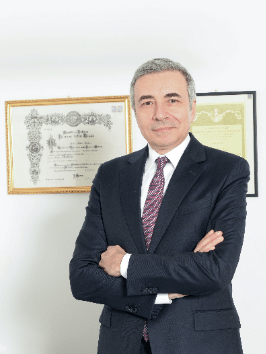
Luca Richeldi, born on March 30, 1963, in Modena, Italy, is a distinguished pulmonologist whose expertise has placed him at the forefront of the medical field, especially during the COVID-19 pandemic. His contributions to respiratory medicine, coupled with his calm and insightful presence in media during the pandemic, have made him a well-known figure in Italy and beyond. This article explores Richeldi’s age, rise to fame, and key life highlights, offering detailed insights and explanations into his career and the impact he has had on public health.
Early Life and Academic Background
Luca Richeldi’s early life in Modena was marked by a strong inclination towards the sciences, particularly in areas related to medicine. This interest guided his academic pursuits, leading him to enroll in the University of Modena and Reggio Emilia, where he earned his degree in Medicine and Surgery in 1988. From the outset, Richeldi demonstrated a keen interest in respiratory diseases, which would become the focus of his professional career.
Following his graduation, Richeldi chose to specialize in pneumology, the branch of medicine dealing with the respiratory system. His decision to focus on this area was driven by a deep interest in understanding and treating diseases that affect the lungs, such as idiopathic pulmonary fibrosis (IPF). Over the years, Richeldi has become one of Italy’s leading experts in this field, contributing significantly to the study and treatment of respiratory diseases.
Professional Career and Achievements
Luca Richeldi’s professional career is distinguished by his numerous contributions to medical research and clinical practice. His work has earned him recognition both in Italy and internationally, particularly for his research on idiopathic pulmonary fibrosis, a chronic and often fatal lung disease. Richeldi’s research has been instrumental in advancing the understanding of IPF, leading to the development of new treatment protocols and improving patient outcomes.
Richeldi’s expertise in respiratory diseases led to his appointment as the director of the Center for Rare Lung Diseases at the University Hospital of Modena, a position that allowed him to focus on both clinical practice and research. His leadership in this role was marked by significant advancements in the diagnosis and treatment of rare lung conditions, positioning the center as a leading institution in Italy for the management of these diseases.
In addition to his work in Modena, Richeldi was appointed as the director of pulmonology with a focus on thoracic diseases at the Policlinico Gemelli in Rome. This role further solidified his reputation as a leading pulmonologist, and he became a trusted voice in the medical community, particularly in matters related to respiratory health.
Richeldi’s academic contributions are also noteworthy. He has published extensively in prestigious medical journals, including The Lancet, one of the most respected publications in the biomedical field. His research has not only advanced the field of pulmonology but also earned him a professorship at the University of Southampton in the United Kingdom, where he has contributed to the education and training of the next generation of medical professionals.
Rise to Public Prominence During the COVID-19 Pandemic
Luca Richeldi’s rise to public prominence came during the COVID-19 pandemic, a time when the world was seeking expert guidance on how to navigate the unprecedented health crisis. As an expert in respiratory diseases, Richeldi was called upon to provide insights and advice to both the public and government officials.
His appearances on television programs such as Tagadà on La7, where he provided clear and calm explanations about the virus and its effects, were instrumental in helping the Italian public understand the evolving situation. Richeldi’s ability to communicate complex medical information in a way that was accessible and reassuring was particularly valued during a time of widespread uncertainty and fear.
One of Richeldi’s most significant contributions during the pandemic was his participation in the press conferences organized by Italy’s Civil Protection Department. These briefings were critical in keeping the public informed about the spread of the virus and the measures being taken to control it. Richeldi’s presence at these briefings was marked by his emphasis on calm, science-based responses, and his commitment to avoiding unnecessary alarm.
During these briefings, Richeldi made it a point to educate the public on the importance of using accurate language when discussing the virus. For example, he cautioned against using terms like “untore” (a term historically used to describe someone who spreads disease deliberately), which he argued could foster fear and stigmatization. Instead, he focused on encouraging responsible behavior and adherence to public health guidelines.
Richeldi also played a key role in advocating for the use of personal protective equipment (PPE) and the importance of well-designed safety protocols within healthcare settings. He was among the first to highlight the need for structured pathways in hospitals to protect both healthcare workers and patients from the virus. His emphasis on system-level approaches to managing the pandemic distinguished him from many of his peers, who often focused more on individual behaviors.
Despite the challenges posed by the pandemic, Richeldi consistently praised the efforts of the scientific community, particularly in the rapid development of vaccines. He recognized the unprecedented speed at which vaccines were developed and saw it as a testament to the strength of global scientific collaboration. His advocacy for vaccination was rooted in his belief in the power of science to overcome the pandemic, and he worked tirelessly to communicate this to the public.
Personal Life and Public Persona
While Luca Richeldi’s professional life has been extensively documented, he has been careful to keep his personal life private. This is perhaps unsurprising, given the rapid and intense public attention he received during the pandemic. Despite his high-profile role, Richeldi has managed to maintain a low-key personal life, focusing public attention on his work and expertise rather than his private affairs.
Richeldi’s ability to balance his public and private lives has been one of his strengths. By keeping his personal life out of the spotlight, he has been able to maintain a level of professionalism and focus that has earned him respect from both colleagues and the public.
Published Works and Contributions to Medical Literature
In addition to his work as a clinician and public health expert, Luca Richeldi is also an accomplished author. His book, Il tesoro leggero. L’avventura dei polmoni dalla pandemia al futuro della scienza (The Light Treasure: The Adventure of the Lungs from the Pandemic to the Future of Science), published in October 2021, offers a deep dive into his experiences during the pandemic and his views on the future of respiratory medicine.
In Il tesoro leggero, Richeldi reflects on the challenges faced by the medical community during the pandemic, the lessons learned, and the importance of preparedness in the face of future health crises. The book is not only a personal account of his experiences but also a broader commentary on the role of science in society. Richeldi discusses the need for better communication between scientists and the public, the importance of listening to expert advice, and the dangers of ignoring early warning signs in the face of emerging threats.
The book’s title, Il tesoro leggero (The Light Treasure), metaphorically refers to the lungs, which are essential yet often taken for granted until something goes wrong. Richeldi’s reflections on the lungs are informed by his decades of experience treating respiratory diseases, and the book serves as both a memoir and a call to action for better public health practices.
In the book’s opening, Richeldi writes about the recurring themes in stories of pandemics and other disasters: an initial alarm that goes unheeded, a prophetic message that is ignored, and the eventual realization of the threat. He compares these narratives to the events leading up to the COVID-19 pandemic, where early warnings were often dismissed until it was too late. This reflection highlights Richeldi’s belief in the importance of vigilance and the need for societies to be more responsive to scientific warnings.
Legacy and Impact
Luca Richeldi’s legacy as a medical professional is one of dedication, expertise, and a commitment to public health. His contributions to the field of respiratory medicine, particularly his work on idiopathic pulmonary fibrosis, have had a lasting impact on the treatment and management of lung diseases. Moreover, his role during the COVID-19 pandemic has cemented his reputation as a trusted public health advisor, whose calm and rational approach provided much-needed reassurance during a time of crisis.
Richeldi’s influence extends beyond his clinical work; his writings and public communications have helped to shape the public’s understanding of respiratory health and the importance of science in addressing global health challenges. His advocacy for vaccination, PPE use, and structured safety protocols in healthcare settings has contributed to the broader efforts to control the pandemic and protect vulnerable populations.
As the world continues to navigate the ongoing challenges posed by COVID-19 and other emerging health threats, Luca Richeldi’s insights and contributions will remain relevant. His work serves as a reminder of the importance of preparedness, the value of scientific research, and the need for effective communication between experts and the public.
Conclusion
Luca Richeldi is more than just a leading pulmonologist; he is a figure whose expertise and calm demeanor have guided Italy through one of the most challenging periods in recent history. His contributions to respiratory medicine, combined with his public health advocacy during the COVID-19 pandemic, have left a lasting impact on both the medical community and the public at large. As we look to the future, Richeldi’s work will continue to inspire and inform efforts to improve public health and prepare for future challenges.


