
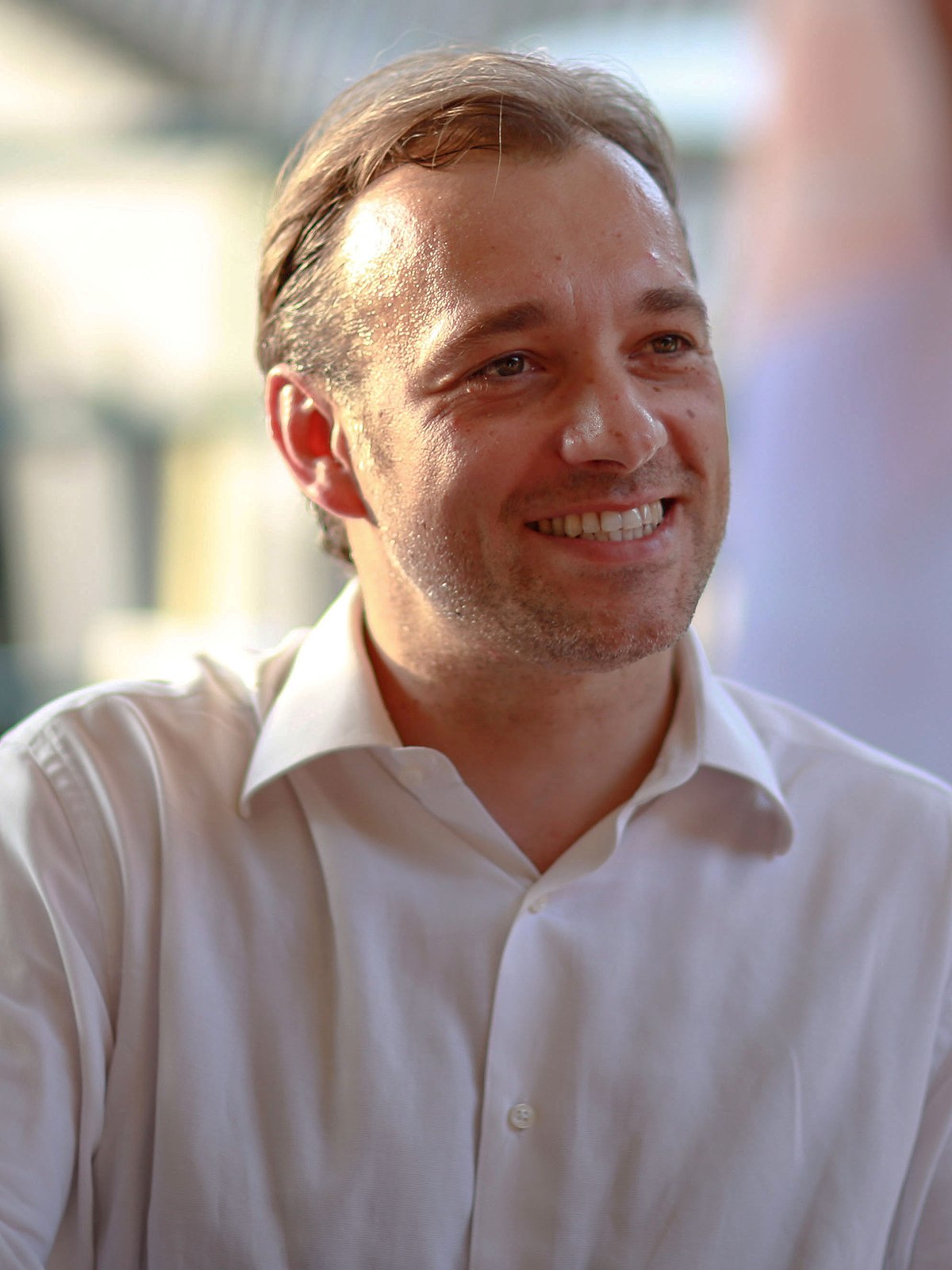
Matteo Richetti is a prominent Italian politician known for his dynamic presence in the political landscape of Italy, particularly within the Democratic Party (Partito Democratico, PD). Born on August 3, 1974, in Sassuolo, a town in the Emilia-Romagna region, Richetti has made significant contributions to Italian politics, from his early days in regional governance to his involvement in national politics. This article delves into the life, career, and key highlights of Matteo Richetti’s journey in the political arena.
Early Life and Education
Matteo Richetti was born and raised in Sassuolo, a town in the province of Modena, Italy. He completed his high school education at the Wiligelmo Scientific High School in Modena, where he developed an interest in public affairs and communication. Richetti’s early career began in journalism; he became a giornalista pubblicista (publicist journalist), engaging actively in public communication.
His involvement in journalism provided him with valuable insights into the media and communication sectors, which later played a significant role in his political career. Richetti’s deep understanding of public communication has been one of the cornerstones of his approach to politics, helping him connect with voters and convey his political messages effectively.
Entry into Politics
Richetti’s formal entry into politics began in 2003 when he took on the role of leading the Modena section of the political party La Margherita, a centrist party that later merged into the Democratic Party (PD). During his time with La Margherita, Richetti demonstrated strong leadership and organizational skills, which led to his election to the regional council of Emilia-Romagna in 2005.
In the regional council, Richetti focused on several key areas, including youth policies, institutional reform, and healthcare. His work in these areas earned him recognition as a competent and dedicated public servant, paving the way for his future political endeavors.
Rise in Regional Politics
Richetti’s political career gained momentum when he was re-elected to the Regional Assembly of Emilia-Romagna in 2010. His re-election underscored the trust and confidence that the electorate placed in him. That same year, Richetti was elected as the President of the Assembly, a significant role that allowed him to influence regional policies more directly.
As President of the Assembly, Richetti was instrumental in advancing several initiatives, particularly in healthcare and social policies. His leadership style was characterized by a focus on transparency, accountability, and citizen engagement, which resonated with the people of Emilia-Romagna.
National Recognition and the Democratic Party
Matteo Richetti’s prominence in regional politics soon translated into national recognition. In the early 2010s, Richetti became associated with a group within the Democratic Party known as the rottamatori (literally, “scrappers” or “renovators”). This faction, led by Matteo Renzi, the then-mayor of Florence, advocated for the renewal of the party’s leadership and policies, challenging the established party elites.
Richetti’s involvement with the rottamatori marked his transition from regional to national politics. He was seen as one of Renzi’s closest allies and was instrumental in organizing key events, such as the Big Bang at Florence’s Stazione Leopolda in 2011. This event allowed various political figures and citizens to present their ideas for the future of Italy, symbolizing a new era of participatory politics.
Election to the Italian Parliament
In the 2013 general elections, Matteo Richetti was elected as a Member of Parliament (MP) for the Emilia-Romagna constituency. His election marked the beginning of his career at the national level, where he continued to push for reforms and advocate for transparency and modernization within the Democratic Party and Italian politics at large.
One of Richetti’s first legislative initiatives was a bill aimed at supporting local municipalities in releasing payments to businesses, thus helping to stimulate economic activity and support small and medium enterprises. This initiative was in line with Richetti’s commitment to economic reforms and his focus on practical solutions to Italy’s economic challenges.
Legal Challenges and Vindication
Richetti’s political career faced a significant challenge in 2014 when he was implicated in an investigation by the Bologna Public Prosecutor’s Office concerning the misuse of regional council funds. The allegations, which were part of a broader investigation into the expenditure practices of the Emilia-Romagna Regional Council, led Richetti to withdraw his candidacy for the Democratic Party’s primary elections for the regional presidency, a position that was eventually won by Stefano Bonaccini.
Richetti maintained his innocence throughout the investigation and, in November 2015, was fully acquitted of all charges. The court’s decision to absolve him due to the “insufficiency of the facts” was a significant moment in Richetti’s career, allowing him to continue his political activities without the cloud of legal proceedings hanging over him.
Split with Renzi and Reconciliation
The year 2016 was a turning point in Richetti’s relationship with Matteo Renzi. While Richetti had been one of Renzi’s most loyal supporters during the rottamatori phase, by 2016, tensions had begun to surface. In a widely noted interview on the political talk show Otto e mezzo, Richetti openly criticized Renzi, describing his leadership style as authoritarian and lamenting the lack of communication between them.
This public split marked a temporary distancing between the two politicians. However, as the 2016 constitutional referendum approached, Richetti rejoined Renzi in campaigning for the proposed reforms, showing his ability to prioritize the party’s goals over personal disagreements.
In 2017, following the defeat of the referendum and Renzi’s resignation as Prime Minister, Richetti was appointed as the spokesperson for the Democratic Party. This role positioned him as a key figure in the party’s efforts to rebuild and strategize for future elections.
The 2018 Election and Beyond
The 2018 general elections were a difficult period for the Democratic Party, which suffered significant losses. In the aftermath, the party was in search of new leadership, and Richetti emerged as a potential candidate for the role of party secretary. His bid for leadership reflected his belief in the need for continued renewal within the party, emphasizing transparency, accountability, and closer ties to the electorate.
Although Richetti did not succeed in becoming the party’s leader, his influence within the party and Italian politics remained significant. He continued to be an advocate for reform and modernization, both within the Democratic Party and in the broader political landscape of Italy.
Recent Developments and Political Influence
In recent years, Matteo Richetti has continued to play a prominent role in Italian politics. His advocacy for a more open and transparent political process, combined with his experience in both regional and national politics, has made him a respected figure within the Democratic Party and beyond.
Richetti has also been involved in various initiatives aimed at improving governance and public policy in Italy. His work focuses on addressing issues such as economic development, social welfare, and institutional reform. His approach to politics, characterized by a pragmatic and results-oriented mindset, continues to resonate with many voters, particularly those who are looking for solutions to Italy’s long-standing economic and social challenges.
Personal Life and Public Image
Matteo Richetti is known not only for his political acumen but also for his personal integrity and commitment to public service. He is married to Sonia, and the couple has three children: Simone, Giulia, and Elisa. Richetti’s family life is often highlighted in his public appearances, where he emphasizes the importance of family values and community in shaping a better society.
Richetti’s personal website and social media presence are key tools in his political communication strategy, allowing him to engage directly with citizens and maintain transparency in his political activities. His public image is that of a politician who is accessible, down-to-earth, and committed to the common good.
Conclusion
Matteo Richetti’s political career is a testament to his dedication to public service and his belief in the need for constant renewal and reform in Italian politics. From his early days in regional governance to his involvement in national politics and his role as a key figure in the Democratic Party, Richetti has consistently advocated for transparency, accountability, and modernization.
Despite facing challenges, including legal scrutiny and political disagreements, Richetti has remained a steadfast advocate for his principles. His journey reflects the complexities of navigating the political landscape, balancing personal convictions with the demands of party loyalty and public service.
As Italian politics continues to evolve, Matteo Richetti’s influence and contributions are likely to remain significant. His commitment to reform and his ability to connect with voters make him a key player in the ongoing efforts to shape the future of Italy.


