
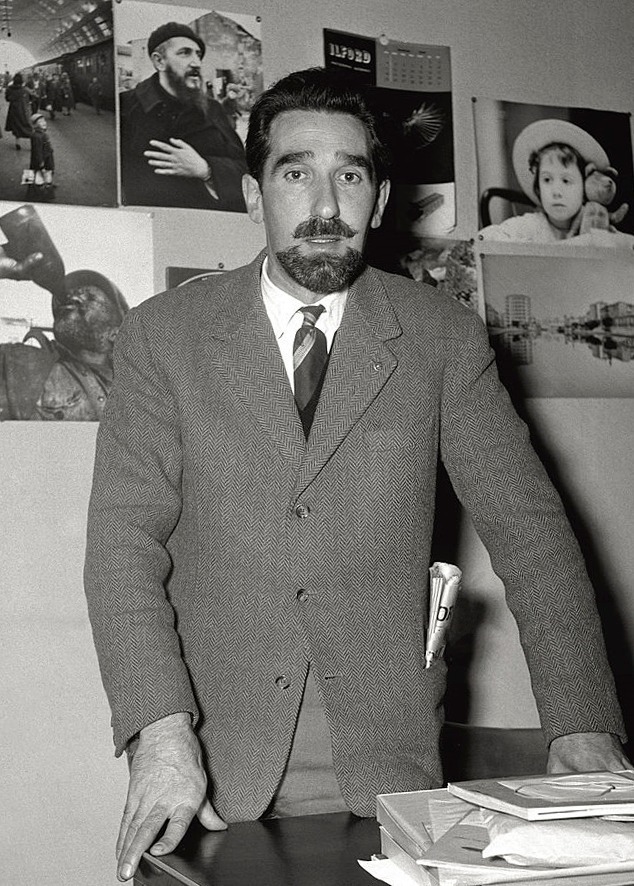
Mario Rigoni Stern, born on November 1, 1921, in Asiago, Italy, is remembered as one of the most significant Italian writers of the post-World War II era. His work, deeply influenced by his experiences as a soldier and prisoner during World War II, has left an indelible mark on Italian literature. Known for his evocative storytelling and profound connection to nature, Rigoni Stern’s literary legacy is one of memory, survival, and the delicate balance between humanity and the natural world. This article delves into the life, fame, and key highlights of Mario Rigoni Stern, providing detailed insights into his contributions to literature and the historical context that shaped his work.
Early Life and Background
Mario Rigoni Stern was born in Asiago, a small town in the Veneto region of Italy. The area, known for its mountainous landscapes, played a crucial role in shaping Rigoni Stern’s worldview and literary voice. His family, deeply rooted in the traditions of the Altopiano (the Asiago Plateau), were involved in commerce, dealing in products from the alpine pastures such as wool, linen, and handcrafted wooden items. These early experiences with the rural and pastoral life of the region would later become a recurring theme in his writings.
Growing up in the aftermath of World War I, Rigoni Stern was acutely aware of the scars left by the conflict on his community. His childhood in Asiago, surrounded by the ruins and memories of the war, instilled in him a profound understanding of the human cost of conflict. This understanding would later become central to his work as a writer.
Military Service and the Experience of War
In 1938, at the age of 17, Mario Rigoni Stern volunteered for the military, enrolling in the Alpine School of Aosta. At that time, the prospect of war seemed distant, and Rigoni Stern, like many young men of his generation, was eager to serve his country. However, the outbreak of World War II in September 1939 dramatically altered the course of his life.
Rigoni Stern’s military service saw him deployed to several fronts, including the Western Front and Albania. These experiences were harrowing, but it was his time on the Eastern Front, particularly during the disastrous Italian retreat from Russia in 1943, that left an indelible mark on him. The retreat, one of the most tragic episodes in Italian military history, involved thousands of Italian soldiers being forced to march through the freezing Russian winter, many of whom perished due to the harsh conditions, starvation, and enemy attacks.
Rigoni Stern’s experiences during this retreat became the basis for his most famous work, Il sergente nella neve (The Sergeant in the Snow), published in 1953. The novel is a poignant and unflinching account of the horrors of war, capturing the desperation, camaraderie, and moments of humanity that emerge in the face of unimaginable adversity. The book was acclaimed for its raw honesty and became a classic of Italian literature, earning Rigoni Stern widespread recognition.
Captivity and Return to Civilian Life
Following the retreat from Russia, Rigoni Stern was captured by German forces and spent over two years in various POW camps in Lithuania, Silesia, and Styria. These years of captivity were marked by severe hardship, including hunger, forced labor, and the constant struggle to survive in a hostile environment. Despite the brutal conditions, Rigoni Stern began to write, using scraps of paper to document his experiences and the memories of his fallen comrades.
The act of writing became a means of survival for Rigoni Stern, allowing him to preserve his sanity and maintain a connection to his humanity. This period of captivity profoundly influenced his later work, imbuing it with a deep sense of empathy and a commitment to bearing witness to the suffering of others.
In May 1945, after the end of the war, Rigoni Stern was finally able to return to his beloved Altopiano. However, the transition to civilian life was far from easy. He struggled with the psychological scars of his wartime experiences and found it difficult to reintegrate into society. The trauma of war and the memories of those he had lost weighed heavily on him, leading to a period of deep introspection and personal crisis.
Literary Career and Major Works
It was during this difficult post-war period that Mario Rigoni Stern began to seriously pursue writing. Encouraged by Elio Vittorini, a prominent Italian writer and editor, Rigoni Stern published Il sergente nella neve, which quickly established him as a significant voice in Italian literature. The novel’s success was not only due to its vivid portrayal of the war but also to Rigoni Stern’s unique narrative style, which blended a soldier’s pragmatism with a poet’s sensitivity.
Following the success of his debut, Rigoni Stern took a break from writing, returning to it a decade later with Il bosco degli urogalli (The Wood of the Capercaillies) in 1962. This collection of short stories marked a shift in his focus from war to nature, a theme that would dominate much of his later work. In these stories, Rigoni Stern explored the relationship between humans and the natural world, drawing on his deep connection to the landscapes of the Altopiano.
In the 1970s, Rigoni Stern’s literary output increased significantly. He published several works, including Quota Albania (1971), which recounted his experiences on the Albanian front, and Ritorno sul Don (1973), a reflection on his return to the sites of his wartime experiences. These works were followed by Storia di Tonle (1978), a novel that won the prestigious Premio Campiello. Storia di Tonle tells the story of a humble man living on the Altopiano, whose life is shaped by the broader forces of history, including the First World War. The novel is a testament to Rigoni Stern’s ability to capture the universal through the particular, using the story of one man to explore themes of survival, resilience, and the passage of time.
Rigoni Stern’s deep respect for nature and his understanding of its rhythms and cycles are evident in his later works, such as Uomini, boschi e api (1980) and Arboreto salvatico (1991). These books combine memoir, natural history, and philosophical reflection, offering readers a meditation on the interconnectedness of all living things. Rigoni Stern’s writing during this period reflects his belief that nature is not just a backdrop to human activity but a vital force that shapes our lives and histories.
Legacy and Impact
Mario Rigoni Stern’s work is characterized by its deep moral seriousness and its commitment to remembering and honoring the past. His writing serves as a bridge between personal memory and collective history, ensuring that the experiences of war and the lessons of the past are not forgotten. Rigoni Stern’s ability to evoke the physical and emotional landscapes of his experiences has made his work timeless, resonating with readers across generations.
One of the key aspects of Rigoni Stern’s legacy is his portrayal of the human capacity for resilience in the face of suffering. Whether writing about the horrors of war, the challenges of survival in a POW camp, or the quiet endurance of rural life, Rigoni Stern consistently emphasized the strength and dignity of ordinary people. His characters, often inspired by real individuals he encountered during his life, embody the qualities of courage, compassion, and a deep connection to the land.
In addition to his literary achievements, Rigoni Stern was also a committed environmentalist. His writing reflects a profound respect for the natural world and a concern for its preservation. He saw the destruction of nature as a form of violence akin to the violence of war, and his work often warns against the exploitation and degradation of the environment.
Rigoni Stern passed away on June 16, 2008, at the age of 86. His death marked the end of a remarkable life, but his work continues to inspire readers and writers alike. His influence can be seen in the works of contemporary Italian authors such as Mauro Corona, who have followed in his footsteps by blending personal narrative with a deep engagement with nature and history.
Conclusion
Mario Rigoni Stern’s life and work offer a profound meditation on the themes of memory, survival, and the relationship between humans and nature. From his early experiences as a soldier and prisoner of war to his later reflections on the natural world, Rigoni Stern’s writing is marked by a deep sense of empathy and a commitment to bearing witness to the past. His legacy as one of Italy’s greatest post-war writers is secure, and his work continues to resonate with readers around the world, offering timeless insights into the human condition.


