
Introduction
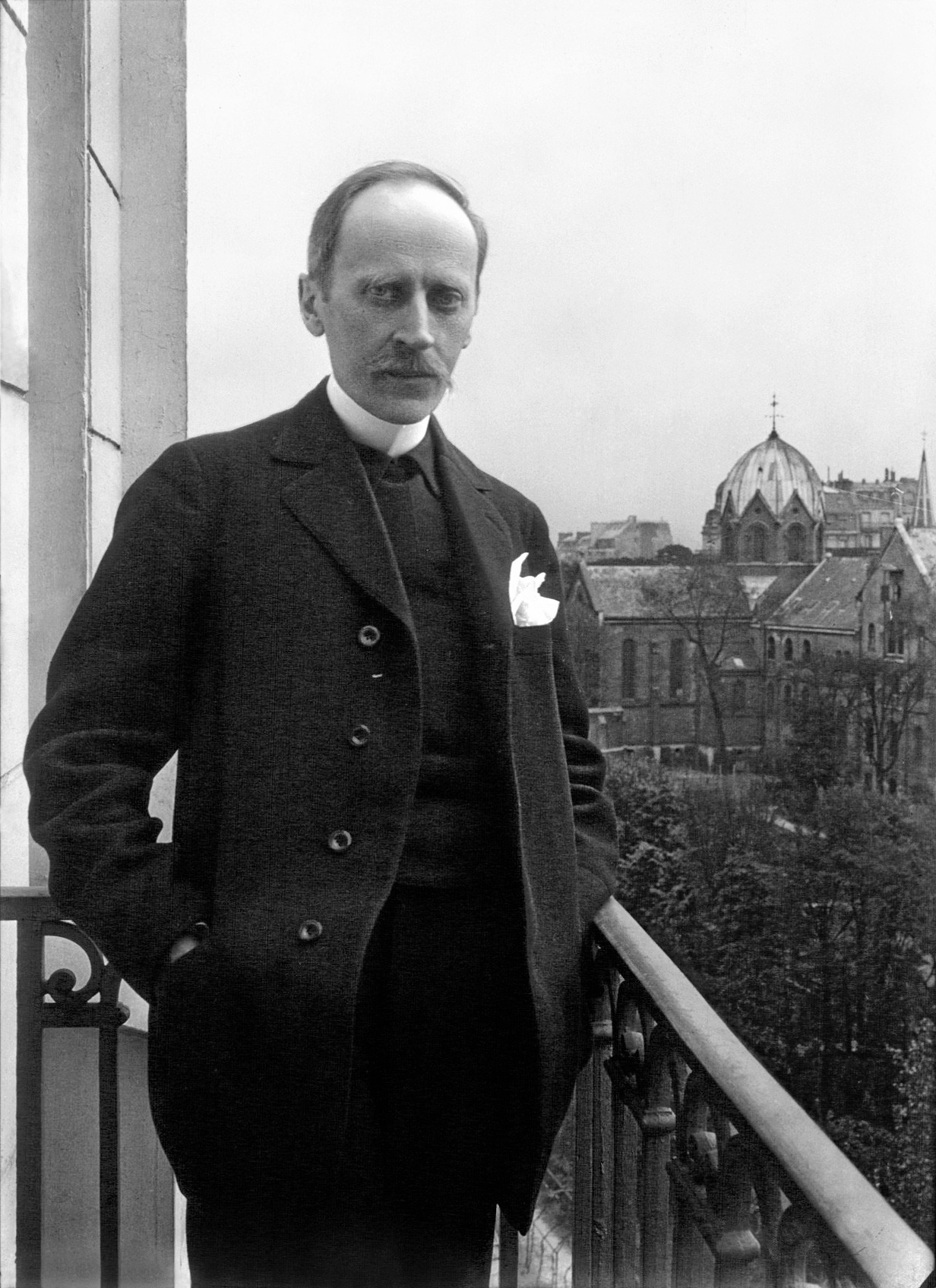
Romain Rolland, a towering figure in French literature, musicology, and drama, left an indelible mark on the cultural landscape of Europe during the late 19th and early 20th centuries. Born into a time of political and social upheaval, Rolland’s works reflected his deep commitment to humanism, pacifism, and the quest for truth. His life, filled with intellectual vigor and artistic creativity, offers a rich tapestry of experiences and achievements that continue to inspire and resonate with audiences today. This article delves into the life, fame, and pivotal moments that defined Romain Rolland, exploring his contributions to literature, his philosophical beliefs, and his enduring legacy.
Early Life and Education
Birth and Family Background
Romain Rolland was born on January 29, 1866, in Clamecy, a small town in the Burgundy region of France. His father, Emile Rolland, was a notary, while his mother, Marie Courot, was a musician. The combination of his father’s legal background and his mother’s artistic inclinations significantly influenced Rolland’s intellectual and creative development. The family moved to Paris in 1880, where Rolland’s education would take a decisive turn.
Academic Pursuits
In Paris, Rolland attended the Lycée Saint-Louis, where his academic brilliance began to shine. He later enrolled in the prestigious École Normale Supérieure, a crucible for many of France’s leading intellectuals. During his time at the École, Rolland studied history, literature, and philosophy, disciplines that would deeply inform his later work. His love for music, inherited from his mother, also blossomed during these years, leading him to pursue studies in musicology.
Formative Years in Italy
After completing his studies in 1889, Rolland was offered a teaching position at the French School of Archaeology in Rome. His three-year stay in Italy proved to be a formative period, exposing him to the works of the great Renaissance painters and deepening his appreciation for the arts. Rolland’s experiences in Italy not only enriched his cultural knowledge but also inspired his early writings. The letters he wrote to his mother during this time were later published in the volumes “Primavera romana” and “Ritorno a Palazzo Farnese,” offering insights into his early thoughts and creative process.
Literary Career and Intellectual Contributions
Early Works and Influences
Rolland’s early literary works were deeply influenced by his admiration for the heroic and the noble. His writings often explored the lives of great artists and thinkers, portraying them as paragons of virtue and resilience. In 1895, he published his doctoral thesis, “Histoire de l’Opéra en Europe avant Lulli et Scarlatti,” a groundbreaking work in the field of musicology that remains a significant reference in the study of European opera.
Biographical Masterpieces
Rolland’s fascination with the lives of great men led him to write a series of influential biographies that would define his literary career. His biographies of Beethoven (1903), Michelangelo (1905), Tolstoy (1911), and Gandhi (1926) are considered masterpieces, each offering a profound exploration of the subjects’ inner lives and their contributions to humanity. Rolland’s biographical works are characterized by their depth of research, their empathetic portrayal of their subjects, and their eloquent prose, all of which contributed to his growing fame as a writer and intellectual.
Jean-Christophe: A Monumental Work
Perhaps Rolland’s most significant literary achievement was the novel cycle “Jean-Christophe,” published between 1904 and 1912. This ten-volume work tells the story of a German musician, Jean-Christophe Krafft, and his struggles to maintain his artistic integrity in a world rife with mediocrity and corruption. “Jean-Christophe” is not only a portrait of an artist but also a sweeping social and cultural critique, exploring themes of individualism, nationalism, and the role of art in society. The novel was met with critical acclaim and secured Rolland’s place as one of the leading literary figures of his time.
Advocacy for Peace and Humanism
Opposition to World War I
As Europe plunged into the horrors of World War I, Rolland emerged as a vocal advocate for peace. From his residence in Geneva, where he moved in 1914, Rolland published a series of essays condemning the war and calling for a new spirit of internationalism. These essays were later collected in the volume “Above the Battle” (1915), which articulated Rolland’s pacifist ideals and his belief in the power of the human spirit to rise above hatred and violence.
Nobel Prize for Literature
In 1915, at the height of World War I, Romain Rolland was awarded the Nobel Prize for Literature. The Nobel Committee recognized Rolland’s “elevated idealism” and his unwavering commitment to truth and justice in his literary work. The award was a testament to Rolland’s influence as a writer and thinker, and it solidified his reputation as a leading figure in European intellectual life.
Post-War Reflections and Renewed Activism
The devastation of World War I left Rolland deeply disillusioned with European civilization. He became increasingly sympathetic to the Russian Revolution and its promise of a new social order, though he remained critical of the Soviet regime’s authoritarian tendencies. In 1919, Rolland published “Colas Breugnon,” a novel set in 17th-century France, which many critics regard as his finest work. The novel, with its celebration of life and resilience in the face of adversity, reflected Rolland’s enduring belief in the human capacity for renewal and hope.
Later Life and Legacy
Return to Switzerland and Final Years
In 1922, Rolland returned to Switzerland, settling in the town of Villeneuve. He continued to write prolifically, producing essays, novels, and biographical works that explored themes of spirituality, politics, and the human condition. Rolland’s later years were marked by a growing interest in Eastern philosophies, particularly the teachings of Mahatma Gandhi, whom he admired for his commitment to non-violence and social justice.
Engagement with Soviet Union and Anti-Fascist Efforts
Despite his earlier misgivings, Rolland developed a cordial relationship with the Soviet Union in the 1930s, even visiting Moscow and meeting with Soviet leaders, including Joseph Stalin. However, Rolland’s involvement with the Soviet Union was complicated by his awareness of the regime’s repressive policies. Nonetheless, his opposition to fascism and his defense of the rights of oppressed peoples remained a constant in his later activism. Rolland served as president of the International Anti-Fascist Committee, using his influence to rally intellectuals against the rising tide of totalitarianism in Europe.
Philosophical Reflections and Spiritual Exploration
In his later years, Rolland’s writings took on a more introspective and philosophical tone. He engaged deeply with questions of spirituality, ethics, and the meaning of life, drawing on both Western and Eastern traditions. His works from this period, including “The Enchanted Soul” (1925-1933) and “The Inner Voyage” (1943), reflect a mature thinker who had witnessed the best and worst of humanity and who sought to find a path to inner peace and wisdom.
Death and Posthumous Recognition
Romain Rolland passed away on December 30, 1944, in Vézelay, France, at the age of 78. His death marked the end of a remarkable life dedicated to literature, music, and the pursuit of truth. Rolland’s funeral, conducted according to Catholic rites at his request, was attended by many of his friends and admirers, though he remained a staunch atheist until the end. His legacy lives on through his writings, which continue to inspire readers with their vision of a more just and humane world.
Legacy and Influence
Impact on Literature and Musicology
Romain Rolland’s contributions to literature and musicology have left a lasting impact on both fields. His biographies of great artists, particularly his study of Beethoven, have become seminal works that continue to be read and studied today. Rolland’s ability to blend rigorous scholarship with deep empathy for his subjects set a new standard for biographical writing, influencing generations of writers and scholars.
A Champion of Humanism and Peace
Throughout his life, Rolland remained committed to the ideals of humanism and peace. His advocacy for these values, particularly during the tumultuous years of World War I, earned him a place among the great moral voices of the 20th century. Rolland’s writings on peace and justice, such as “Above the Battle,” remain powerful testimonies to the enduring relevance of these ideals in a world still plagued by conflict and division.
Recognition and Honors
In addition to the Nobel Prize, Rolland received numerous honors and awards throughout his career, including the Grand Prix of the French Academy in 1913 and the title of Knight of the Legion of Honor in 1908. These accolades reflect the high regard in which Rolland was held by his contemporaries and the enduring value of his contributions to French and global culture.
Conclusion
Romain Rolland’s life was a testament to the power of literature and music to inspire, challenge, and uplift the human spirit. His works, characterized by their intellectual rigor, moral clarity, and deep compassion, continue to resonate with readers around the world. As a writer, scholar, and activist, Rolland dedicated himself to the pursuit of truth and justice, leaving a legacy that remains as relevant today as it was in his time. His life and work serve as a reminder of the enduring importance of art and ideas in the quest for a better, more humane world.


