
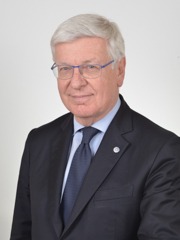
Paolo Romani is a significant figure in Italian politics, known for his extensive career in both media and government. Over the years, Romani has been a prominent leader in the Italian political landscape, holding various influential positions, including Minister of Economic Development. His journey from a media entrepreneur to a key player in Italian politics is marked by numerous achievements and challenges, reflecting the complex dynamics of Italy’s political and economic systems. This article provides a comprehensive exploration of Paolo Romani’s life, career, and the impact he has had on both the media industry and the political arena. We will delve into the key milestones of his life, offering detailed insights and explanations that highlight the nuances of his career and personal journey.
Early Life and Education
Paolo Romani was born on September 18, 1947, in Milan, Italy. Growing up in one of Italy’s most vibrant and economically significant cities, Romani was exposed to the bustling world of business and media from a young age. Milan, often referred to as the economic powerhouse of Italy, provided Romani with a fertile ground to cultivate his interests in both entrepreneurship and public service.
Romani’s educational background laid the foundation for his future endeavors. He pursued studies in economics and communication, fields that would later play a crucial role in his dual career in media and politics. His academic training equipped him with the skills and knowledge necessary to navigate the complex worlds of business management and public administration.
The Media Entrepreneur: Building a Career in Communication
Before entering politics, Paolo Romani made a name for himself in the media industry. In the 1970s, he embarked on a career in television, which was then a rapidly growing and transforming industry in Italy. Romani’s entrepreneurial spirit led him to establish several local television stations, which catered to niche audiences in Milan and other parts of northern Italy.
Romani’s media ventures were part of a broader trend in Italy during this period, where local and regional television networks began to flourish, providing alternatives to the national broadcasters like RAI (Radiotelevisione Italiana). These local networks played a crucial role in diversifying the media landscape in Italy, offering more localized content that resonated with regional audiences.
Romani’s success in the media industry was driven by his ability to identify and capitalize on emerging trends. He recognized the growing demand for localized and specialized content, and his television stations quickly gained popularity among viewers. His business acumen and understanding of the media landscape allowed him to build a successful network of television stations, which laid the groundwork for his later entry into politics.
Transition to Politics: A New Chapter
Paolo Romani’s transition from media to politics was a natural progression, given his deep understanding of communication and public engagement. His entry into politics came at a time when Italy was undergoing significant political and economic changes. The early 1990s were marked by a series of scandals and the collapse of traditional political parties, leading to a period of upheaval and transformation in Italian politics.
Romani joined the political scene as a member of Forza Italia, the center-right political party founded by Silvio Berlusconi in 1994. Berlusconi, a media mogul himself, saw in Romani a kindred spirit who understood the power of media in shaping public opinion and political outcomes. Romani’s background in media made him an invaluable asset to Forza Italia, particularly in crafting the party’s communication strategies and media outreach.
In 1994, Romani was elected to the Italian Chamber of Deputies, representing the constituency of Lombardy, a region that has historically been a stronghold of center-right politics. His election marked the beginning of a long and influential career in Italian politics, during which he held various important roles, both in parliament and in the executive branch.
Ministerial Roles and Political Influence
Paolo Romani’s political career reached new heights when he was appointed as Minister of Economic Development in 2010, a position he held until 2011. His appointment came at a critical time for Italy, as the country was grappling with the aftermath of the global financial crisis. The role of the Minister of Economic Development is crucial in Italy, as it involves overseeing the country’s industrial policy, trade, and telecommunications sectors, all of which are vital for economic growth and stability.
As Minister, Romani was responsible for implementing policies aimed at revitalizing the Italian economy, promoting innovation, and ensuring the competitiveness of Italian industries on the global stage. One of his key initiatives was to support small and medium-sized enterprises (SMEs), which form the backbone of the Italian economy. Romani recognized the importance of SMEs in driving economic growth and employment, and he worked to create a more favorable business environment for these companies through regulatory reforms and financial support.
In addition to his focus on economic development, Romani also played a significant role in the telecommunications sector. During his tenure, he oversaw the digital switchover in Italy, a major initiative that involved transitioning the country’s television broadcasting system from analog to digital. This transition was a complex and challenging process, requiring significant coordination between government agencies, broadcasters, and the public. Romani’s leadership was instrumental in ensuring the success of the digital switchover, which enhanced the quality of television broadcasting and expanded access to digital services for Italian citizens.
Challenges and Controversies
Like many public figures, Paolo Romani’s career has not been without challenges and controversies. His tenure as Minister of Economic Development coincided with a period of political instability in Italy, characterized by frequent changes in government and intense political rivalries. The economic challenges facing the country, including high public debt, slow growth, and rising unemployment, also posed significant obstacles to Romani’s efforts to implement his policies.
One of the most significant controversies involving Romani was related to his media background and his perceived close ties to Silvio Berlusconi. Critics argued that Romani’s policies, particularly those related to telecommunications and media regulation, were influenced by his connections to Berlusconi, who owned a significant portion of Italy’s private media. These criticisms were part of a broader debate in Italy about the concentration of media ownership and the potential conflicts of interest that arise when media moguls hold political office.
Despite these controversies, Romani defended his record, arguing that his policies were aimed at promoting competition, innovation, and the public interest. He maintained that his experience in the media industry gave him valuable insights into the challenges facing the sector and that his decisions as Minister were guided by the goal of enhancing Italy’s economic and technological development.
Later Career and Legacy
After serving as Minister of Economic Development, Paolo Romani continued to play an active role in Italian politics. He remained a prominent member of Forza Italia and held various leadership positions within the party. Romani’s influence extended beyond his ministerial role, as he became a key figure in shaping the party’s economic and industrial policies.
In the later years of his career, Romani focused on issues related to infrastructure, energy, and innovation. He was a strong advocate for modernizing Italy’s infrastructure, recognizing that investment in transportation, energy, and digital infrastructure was essential for the country’s long-term economic growth. Romani also emphasized the importance of innovation and technological development, arguing that Italy needed to embrace new technologies and digitalization to remain competitive in the global economy.
Romani’s legacy in Italian politics is multifaceted. On one hand, he is remembered for his contributions to the media industry and his role in shaping Italy’s economic policies during a challenging period. On the other hand, his career has been marked by controversies related to his ties to Berlusconi and the broader issues of media ownership and political influence in Italy.
Despite these complexities, Romani’s impact on Italian politics and the media industry is undeniable. He played a significant role in the transformation of Italy’s media landscape and contributed to key policy decisions that have shaped the country’s economic development. As a politician, Romani was known for his pragmatism, his understanding of the business world, and his ability to navigate the complex interplay between media and politics.
Personal Life and Philanthropy
Beyond his political and business career, Paolo Romani’s personal life has also been a topic of interest. Romani has often been described as a private individual who values his family and close personal relationships. He has been married and has children, and his family life has provided a stable foundation for his professional endeavors.
Romani’s commitment to public service extends beyond his political career. He has been involved in various philanthropic activities, particularly those related to education and the arts. Romani believes in the importance of giving back to society and has supported initiatives aimed at promoting education, cultural preservation, and social welfare.
His philanthropic efforts reflect his broader belief in the power of education and culture to drive social and economic progress. Romani has often spoken about the need to invest in education and the arts as a means of fostering innovation, creativity, and social cohesion in Italy. His support for these causes is an extension of his commitment to public service and his desire to contribute to the well-being of Italian society.
Historical Context: Romani’s Place in Italian Politics
To fully understand Paolo Romani’s impact on Italian politics, it is essential to consider the historical context in which he operated. Romani’s career spans a period of significant change and upheaval in Italy, marked by the decline of traditional political parties, the rise of new political movements, and the increasing influence of media in shaping public opinion.
Romani’s entry into politics in the 1990s coincided with the collapse of the post-war political order in Italy. The Tangentopoli scandal, which exposed widespread corruption among Italy’s political elites, led to the dissolution of the traditional parties that had dominated Italian politics for decades. In this context, new political forces, including Forza Italia, emerged to fill the void.
Forza Italia, led by Silvio Berlusconi, represented a new approach to politics, one that was heavily influenced by media and communication strategies. Berlusconi’s background as a media entrepreneur was instrumental in shaping the party’s identity, and Romani, with his own media experience, was a natural fit for this new political movement. The party’s success was built on its ability to connect with voters through television and other forms of media, and Romani played a key role in this strategy.
As Italy’s political landscape evolved, Romani remained a prominent figure, adapting to the changing dynamics of Italian politics. His career reflects the broader trends of media influence, economic challenges, and political realignment that have defined Italy’s recent history.
Conclusion: A Legacy of Leadership and Controversy
Paolo Romani’s life and career offer a fascinating glimpse into the intersection of media, politics, and business in modern Italy. From his early days as a media entrepreneur to his influential role as Minister of Economic Development, Romani has been a key player in shaping the country’s economic and political landscape.
His legacy is one of both leadership and controversy. Romani’s contributions to the media industry and his efforts to promote economic development in Italy are significant achievements that have had a lasting impact. However, his career has also been marked by challenges and criticisms, particularly related to his ties to Berlusconi and the broader issues of media ownership and political influence.
As Paolo Romani continues to be an active figure in Italian politics, his influence on the country’s future remains an important topic of discussion. Whether as a policymaker, a media strategist, or a public servant, Romani’s impact on Italy’s political and economic systems will be felt for years to come.


