
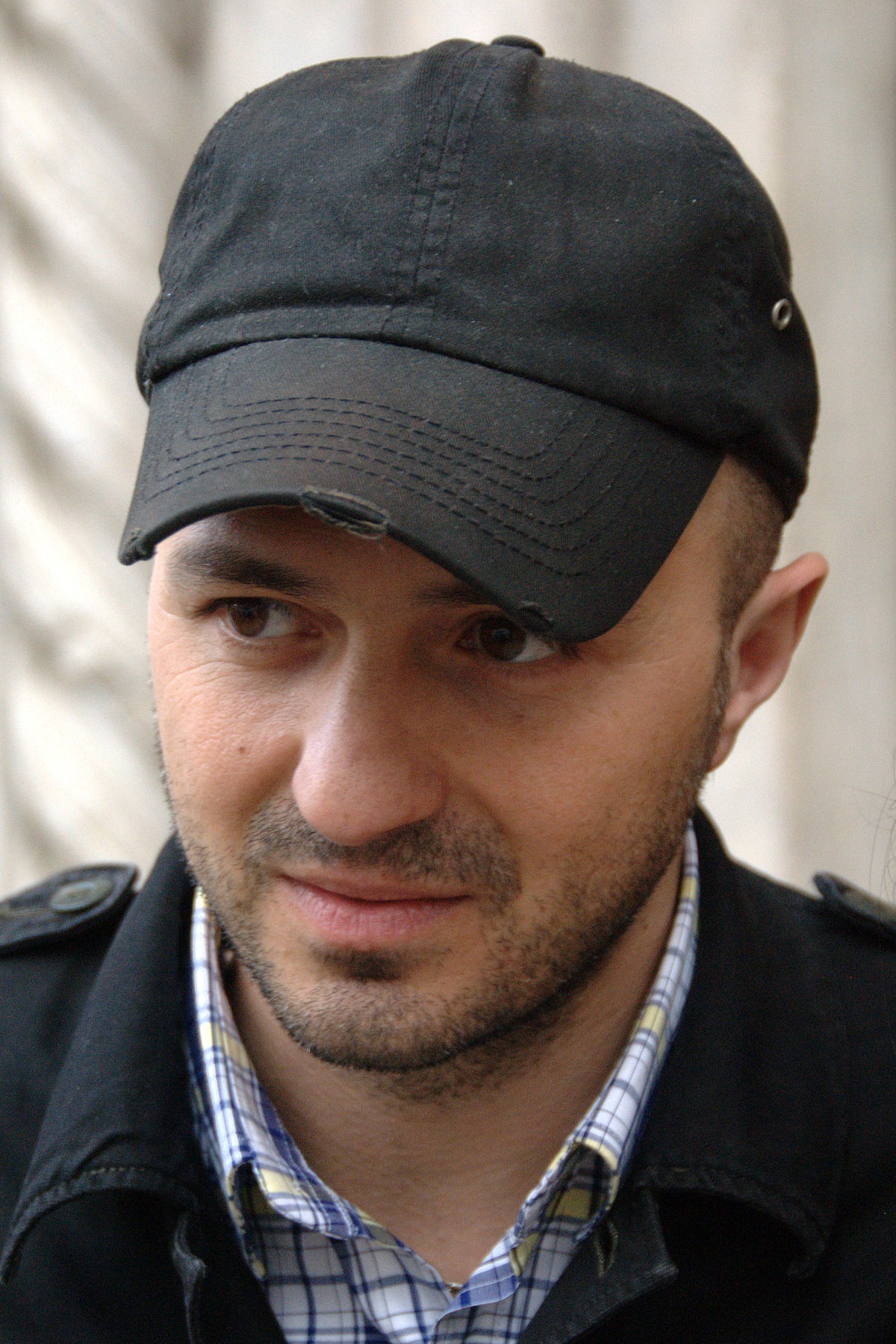
Samuel Umberto Romano, born on March 7, 1972, in Turin, Italy, is a name synonymous with the evolution of Italian rock music. As the lead vocalist and one of the founding members of the influential band Subsonica, Samuel’s career spans over two decades, characterized by artistic innovation, commercial success, and a deep connection with his audience. This article delves into the life, fame, and key milestones of Samuel Romano, offering detailed insights into his journey from the formation of Subsonica to his solo endeavors and continued influence in the music industry.
Early Life and Musical Beginnings
Samuel Romano was born and raised in Turin, a city known for its rich cultural heritage and industrial backbone. From an early age, Samuel was drawn to music, a passion that would define his life. His musical journey began in earnest in the mid-1990s when he, along with Davide Dileo (Boosta) and Massimiliano Casacci (Max), formed Subsonica in 1996. The band’s creation marked the beginning of a new chapter in the Italian music scene, blending electronic music with rock and pop elements to create a sound that was both innovative and accessible.
Formation of Subsonica and Early Success
In 1997, Subsonica released their self-titled debut album, “SubsOnicA,” under the label Mescal. The album, which featured the single “Istantanee,” introduced the band’s unique sound to the Italian public. It was a fresh mix of electronic beats and rock energy, setting them apart from other bands of the time.
The following years saw Subsonica rise to prominence with their energetic live performances and innovative music. In 1998, they embarked on a nationwide tour, performing over a hundred concerts across Italy. Their dynamic stage presence and the release of singles like “Cose che non ho,” “Radioestensioni,” and “Preso blu” solidified their reputation as one of Italy’s most exciting live acts. Their collaboration with the band 99 Posse on the song “Me siente” further showcased their versatility and willingness to experiment with different musical styles.
In 1999, Subsonica released their second album, “Microchip Emozionale,” which is widely regarded as a landmark in Italian music. The album’s lead single, “Colpo di pistola,” was a critical and commercial success, earning the band widespread acclaim. The album itself went on to achieve significant milestones, including gold and platinum certifications, further cementing Subsonica’s status in the Italian music scene.
The 2000s: Mainstream Success and Recognition
The early 2000s marked a period of mainstream success and recognition for Samuel Romano and Subsonica. In 2000, the band participated in the prestigious Sanremo Music Festival, where they performed the song “Tutti i miei sbagli.” Although they finished in 11th place, the exposure significantly boosted their profile, and the song became one of their most iconic tracks.
Following the success of “Microchip Emozionale,” Subsonica released their third album, “Amorematico,” in 2002. The album, which included the hit single “Nuvole rapide,” continued their trend of blending electronic music with rock influences. “Amorematico” was another commercial success, earning a gold certification shortly after its release. The subsequent “Amorematico Tour” took the band across Italy, further establishing their reputation as one of the country’s top live acts.
During this period, Subsonica also received several prestigious awards, including the MTV Europe Music Award for Best Italian Act and the Premio Italiano della Musica for Best Group and Best Album. These accolades reflected the band’s growing influence in the Italian music industry and their ability to resonate with a broad audience.
Artistic Challenges and Label Changes
As Subsonica’s fame grew, so did the complexities of their career. In the mid-2000s, the band faced significant challenges related to their record label. After years with Mescal, they decided to switch to EMI Italiana, a move that was fraught with difficulties. Contractual obligations with Mescal required the band to produce two more albums of original material. In response, Subsonica proposed two instrumental albums, which led to a legal dispute between the band and their former label.
Despite these challenges, Subsonica continued to produce new music and tour extensively. In 2005, they released “Terrestre,” their first album under EMI, which was preceded by the single “Abitudine.” The album marked a new phase in the band’s career, with a sound that was more refined and mature. They also expanded their international presence, performing at the Eurosonic Festival in Groningen, Netherlands, and making an appearance on Adriano Celentano’s popular television show “Rockpolitik.”
Subsonica’s popularity reached new heights in 2006 when they headlined the Cornetto Free Music Festival in Rome, one of Italy’s largest free music festivals. The band’s ability to draw large crowds and their continued success with album sales demonstrated their enduring appeal to fans of all ages.
Samuel Romano’s Solo Ventures and Continued Evolution
As the 2010s began, Samuel Romano started exploring new creative avenues. While Subsonica remained active, Samuel began to pursue solo projects that allowed him to express different facets of his musical personality. In 2011, Subsonica released the album “Eden,” which was preceded by the single of the same name. The album showcased the band’s continued evolution, blending electronic and rock elements with introspective lyrics that reflected the band’s growth and maturity.
In 2014, Subsonica released “Una nave in una foresta,” an album that debuted at number one on the Italian charts. The album’s success was fueled by singles like “Lazzaro” and “Di domenica,” and was supported by a nationwide tour that concluded at the Forum di Assago in Milan. The tour further solidified Subsonica’s reputation as one of Italy’s premier live bands.
In 2016, Samuel announced that he was working on his first solo album, signaling a new chapter in his career. The singles “La risposta” and “Rabbia” were released later that year, showcasing a different side of Samuel’s artistry. His solo work was characterized by a more personal and introspective approach, allowing him to explore themes that were distinct from Subsonica’s collective output.
Samuel’s solo career reached a new level of visibility in 2017 when he participated in the Sanremo Music Festival as a solo artist, performing the song “Vedrai.” His performance was well-received, and it marked a significant milestone in his journey as a solo musician.
Recent Projects and Television Appearances
In addition to his musical endeavors, Samuel Romano has also made his mark on Italian television. In 2019, he joined the judging panel of X Factor Italy, where he brought his extensive experience and knowledge of the music industry to the popular talent show. His involvement in X Factor introduced him to a new generation of fans and reinforced his status as a respected figure in Italian music.
Samuel’s ability to adapt to different roles—whether as a band leader, solo artist, or television personality—demonstrates his versatility and commitment to his craft. His contributions to Italian music over the past two decades have been significant, and his influence continues to be felt across the industry.
Samuel Romano’s Impact on Italian Music
Samuel Romano’s impact on Italian music is profound. As the frontman of Subsonica, he helped pioneer a sound that blended electronic music with rock, pop, and even elements of dance and reggae. This fusion of genres not only set Subsonica apart from their contemporaries but also influenced a generation of Italian musicians who followed in their footsteps.
Subsonica’s success in the late 1990s and early 2000s coincided with a broader movement in Italian music that saw the rise of bands and artists who were willing to experiment with new sounds and push the boundaries of what was considered mainstream. Samuel’s role in this movement cannot be overstated; his distinctive voice and stage presence became synonymous with the band’s innovative sound.
Beyond his contributions to Subsonica, Samuel’s solo work has allowed him to explore new musical territories and express his creativity in different ways. His willingness to take risks and challenge himself artistically has earned him respect within the industry and among fans.
Conclusion: The Legacy of Samuel Romano
As Samuel Romano continues to evolve as an artist, his legacy in the Italian music scene is secure. His work with Subsonica helped define an era of Italian music, and his solo projects have further demonstrated his versatility and creativity. Samuel’s ability to connect with audiences, whether through his music or his television appearances, has made him a beloved figure in Italian culture.
Looking ahead, Samuel’s influence is likely to continue growing as he explores new projects and collaborations. His commitment to innovation and his passion for music will undoubtedly inspire future generations of artists. In a career that has already spanned more than two decades, Samuel Romano shows no signs of slowing down, and his contributions to music will be remembered for years to come.


